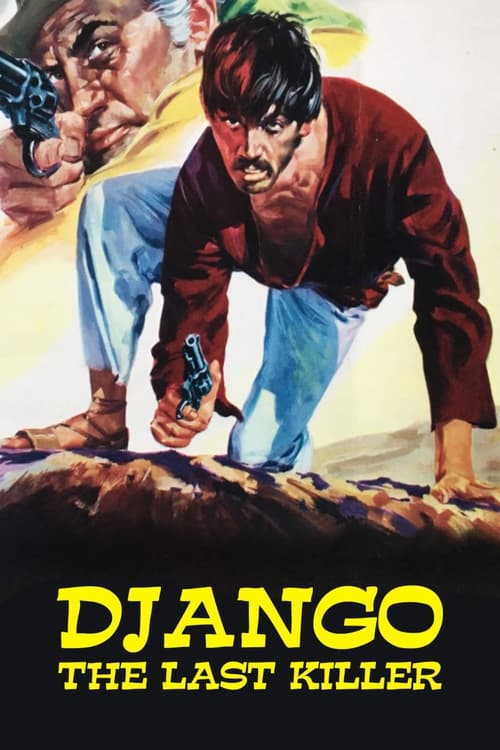
The Last Killer
1967
No user ratings available yet
Diversity score: 4.3 out of 10
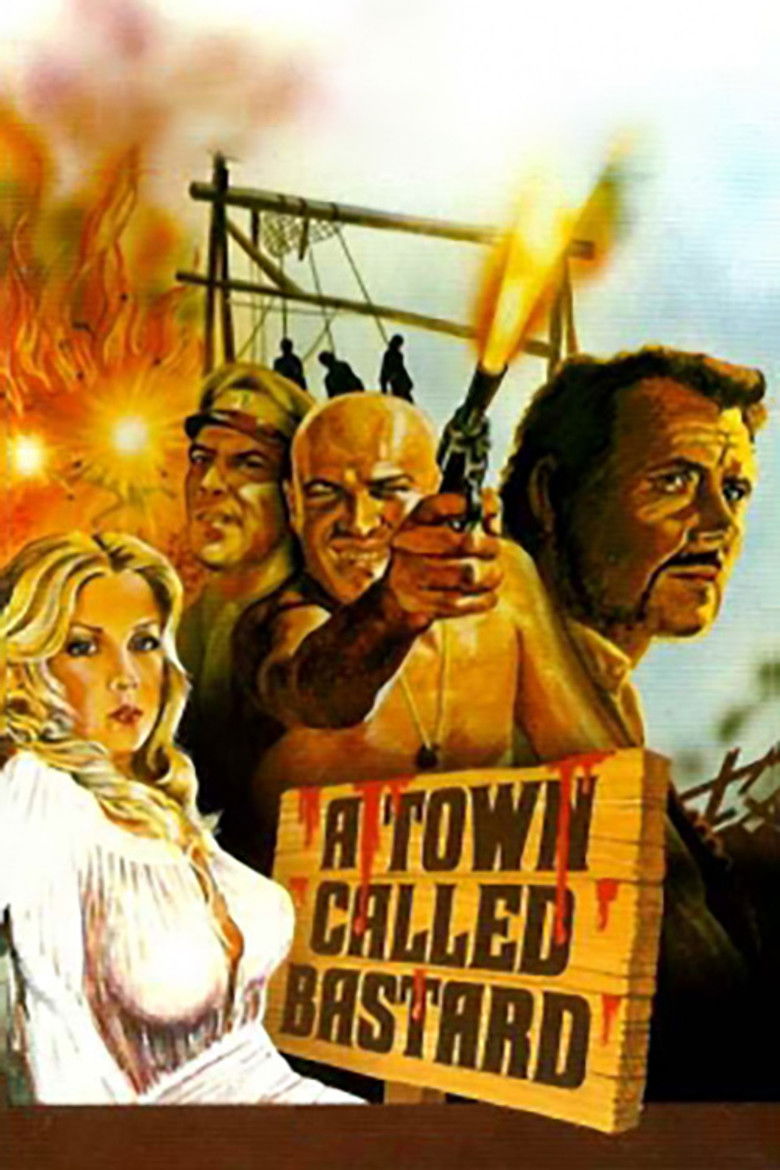
1971
RDirector
Robert Parrish, Irving Lerner
Runtime
95 minutes
Average Rating
No ratings yetSynopsis
A group of Mexican revolutionaries murders a town priest and a number of his christian followers. Ten years later, a widow arrives in town intent to take revenge from her husband's killers.
Overall Score
Limited
Category Breakdown
LGBTQ+ Representation
The film adheres to rigid 1970s genre frameworks. There is no presence of non-cisnormative identities or same-sex intimacy, focusing instead on heteronormative archetypes.
Gender Representation
While the protagonist is a high-agency widow seeking revenge, the world is dominated by masculine-coded labor and violence. The social landscape remains heavily male-centric.
Racial & Ethnic Diversity
The ensemble is predominantly white and working-class. Although Mexican revolutionaries appear, the narrative focus stays on the socioeconomic divides of the American West.
Religious & Cultural Diversity
The film excels by critiquing Western institutions through an anti-capitalist lens. It frames conflict around labor exploitation and resistance against corrupt corporate mining interests.
Disability Representation
Characters are defined by their capacity for physical labor or violence. There is no significant focus on neurodivergence or physical disabilities.
Strengths
Areas for Improvement
AI Analysis
A Town Called Bastard operates as a work of social realism that prioritizes class struggle over identity-based representation. It succeeds in deconstructing Western myths by centering on systemic corruption and the exploitation of the proletariat by corporate entities. However, the film lacks meaningful inclusion regarding LGBTQ+ identities and disability. The narrative environment is heavily weighted toward traditional masculine archetypes and heteronormative structures, limiting its breadth of human experience. Ultimately, the film's strength lies in its cultural critique of institutional power rather than its diversity of personhood. It trades individualistic heroism for a gritty, systemic examination of economic oppression.
1967
1969

1961
1966
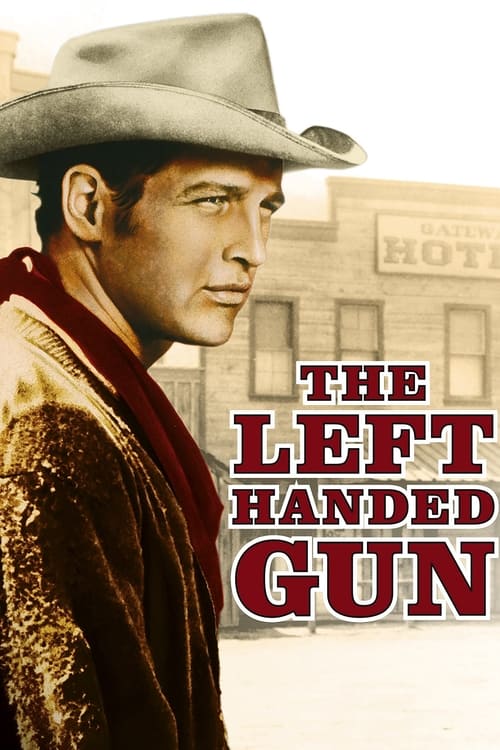
1958
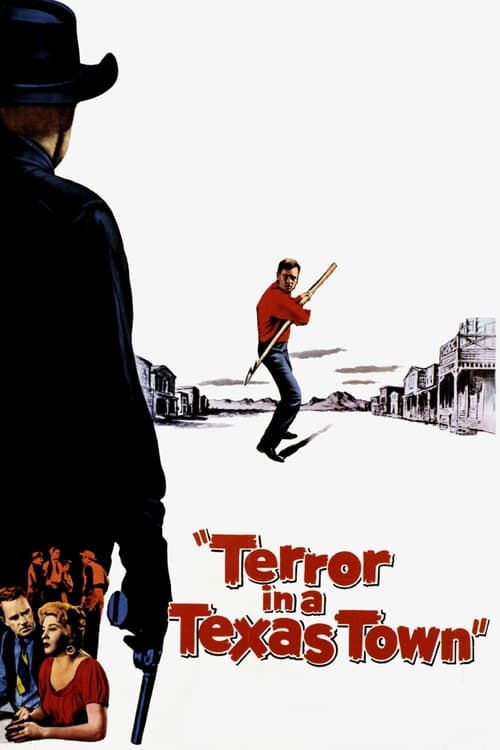
1958
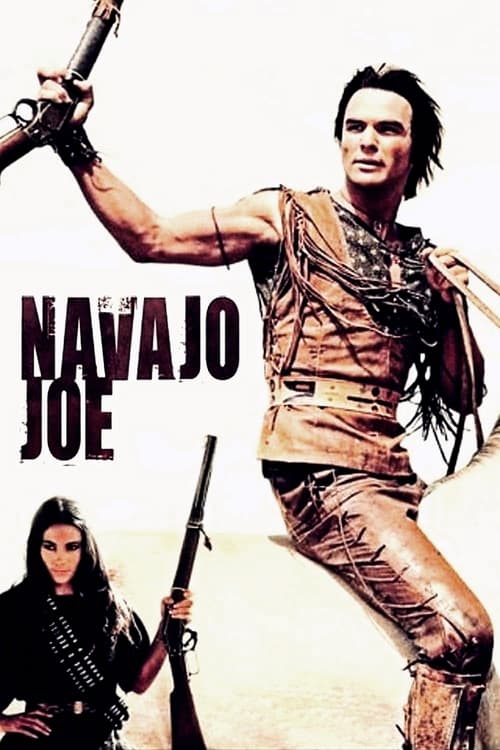
1966

1971
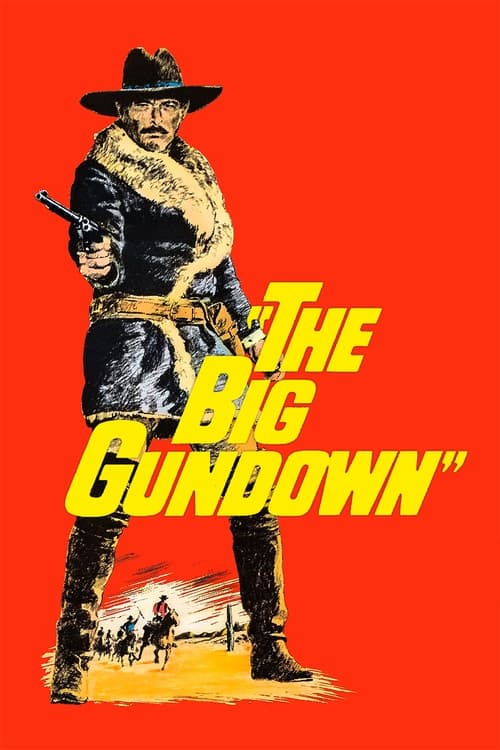
1967
1968
1969
1971
No reviews yet. Be the first to share your thoughts on this movie!
Use the rating form above to leave a star rating and optional review.