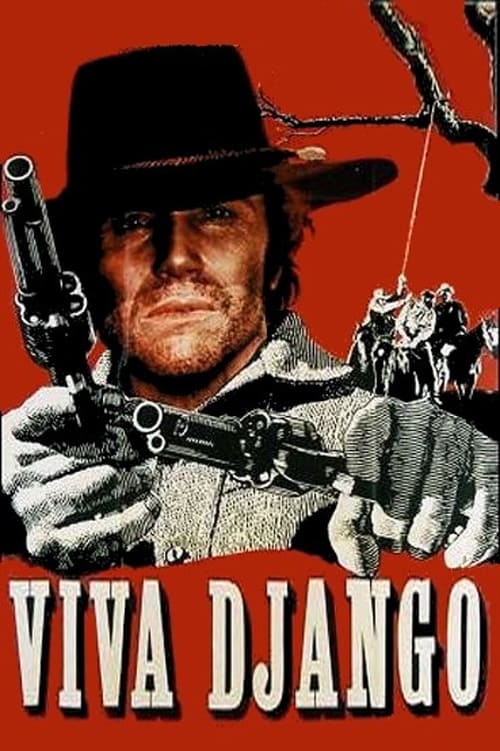
Viva! Django
1971
No user ratings available yet
Representation score: 2.6 out of 10
Representation Score
Limited
1966
ApprovedDirector
Sergio Corbucci
Runtime
93 minutes
Average Rating
No ratings yetNew Showbiz Analysis
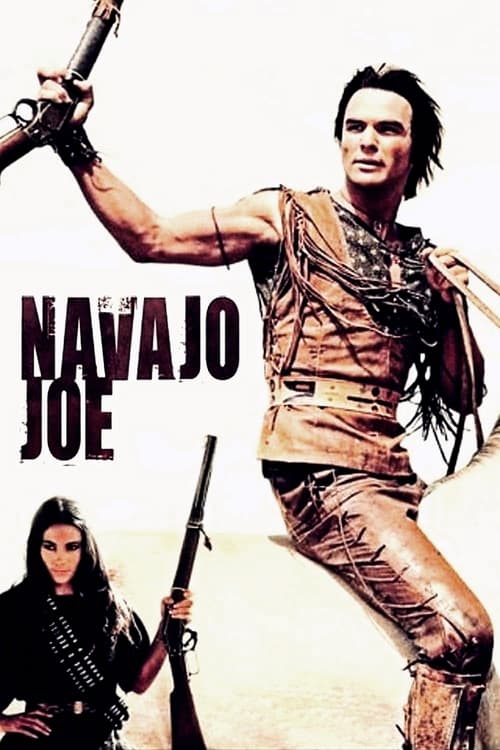
Navajo Joe reimagines the Western genre by featuring a protagonist with mixed Navajo identity, highlighting the complexities of navigating a colonial environment. However, the film adheres closely to traditional genre conventions, emphasizing male-driven conflict and physical violence. It also lacks representation of LGBTQ+ identities and female independence. Despite these limitations, the film offers a critical perspective on colonialism and the moral ambiguities of historical institutions. Overall, the film's strengths lie in its cultural critique and nuanced ethical approach, while its weaknesses include a lack of diverse representation and adherence to conventional gender roles.
Category Breakdown
The film does not include any non-straight identities or challenge assumptions about straight relationships.
Male characters dominate the action, while the female characters have little independence and are often victims.
The film features a protagonist with Navajo heritage, exploring the tensions between indigenous cultures and colonial forces.
It portrays the US Cavalry as a symbol of systemic oppression, favoring a nuanced ethical approach over simplistic moral binaries.
There are no characters with disabilities that significantly impact the plot or themes.
Present on Screen
Limited or Absent
Official Synopsis
The sole survivor of a bloody massacre vows revenge on his attackers and on the men who killed his wife.
1971
1967
1971
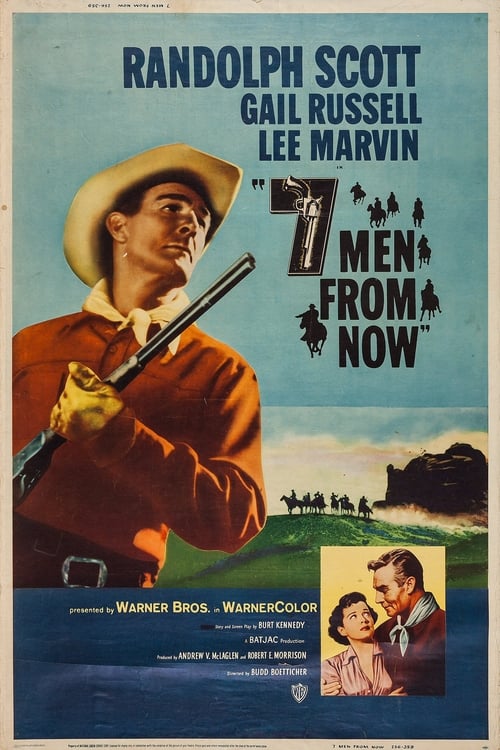
1956
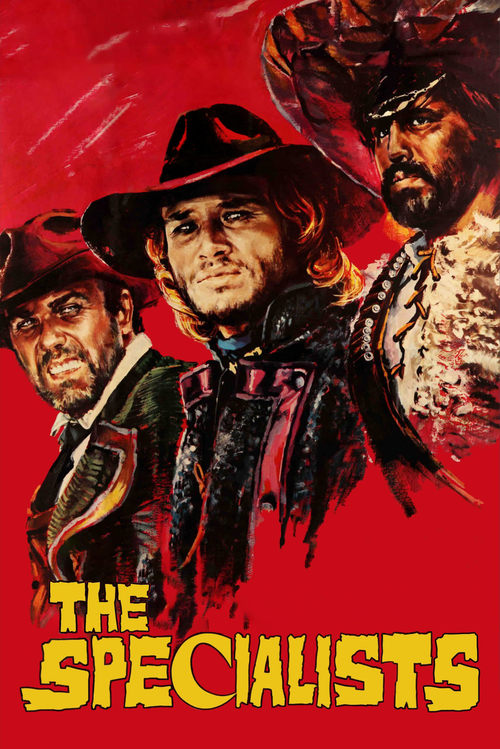
1969
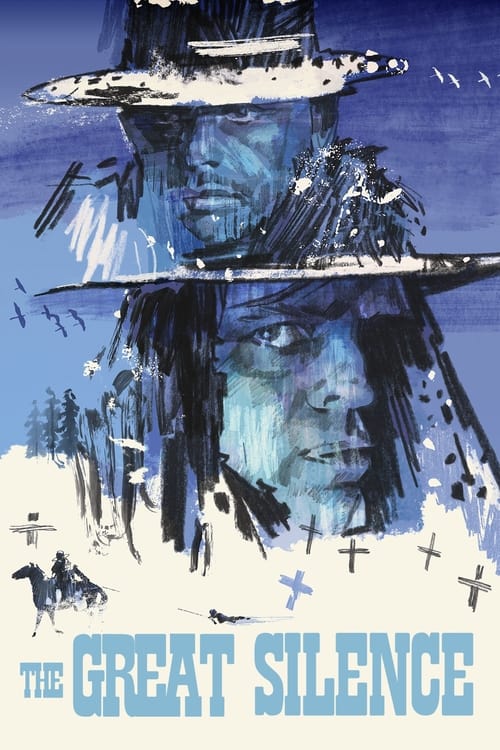
1968
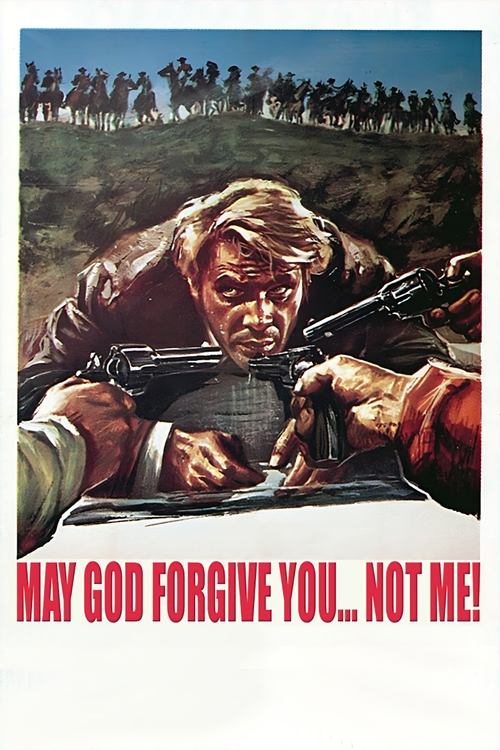
1968
1967
No reviews yet. Be the first to share your thoughts on this movie!
Use the rating form above to leave a star rating and optional review.