
Black God, White Devil
1964
No user ratings available yet
Representation score: 3.8 out of 10

Representation Score
Fair
1969
Director
Glauber Rocha
Runtime
100 minutes
Average Rating
No ratings yetNew Showbiz Analysis
Glauber Rocha’s work is a cornerstone of the Cinema Novo movement, employing aesthetic simplicity to challenge colonial legacies. The film disrupts traditional Western genre conventions, replacing Eurocentric formulas with a focus on indigenous and mixed-race realities of Brazil's hinterland. Despite the absence of contemporary LGBTQ+ or gender-diverse representation, the film excels in its nuanced critique of power dynamics. It presents violence as a ritualistic response to systemic injustice rather than a straightforward moral failing. Ultimately, the film leverages socioeconomic scarcity as a tool for critiquing the broader societal structure. It effectively highlights the struggle of the underprivileged against the landed elite and organized religion.
Category Breakdown
The film focuses on masculine archetypes and class struggle within the Brazilian sertão. There are no narratives involving LGBTQ+ identities or non-cisgender individuals.
Women play minor roles, often symbolizing poverty or domestic life. The story emphasizes the ability to act of male characters such as the mercenary and landowner.
The film provides a deep post-colonial critique by highlighting the struggles of the impoverished peasantry. It uses the Cangaceiro archetype to represent resistance against colonial-era structures.
The narrative criticizes religious and landed institutions as oppressive forces. It portrays the protagonist's shift towards revolution as a necessary rebellion against a corrupt, capitalist system.
A blind landowner serves as a central character. However, his blindness mainly triggers the plot rather than exploring the lived experience of disability.
Present on Screen
Limited or Absent
Official Synopsis
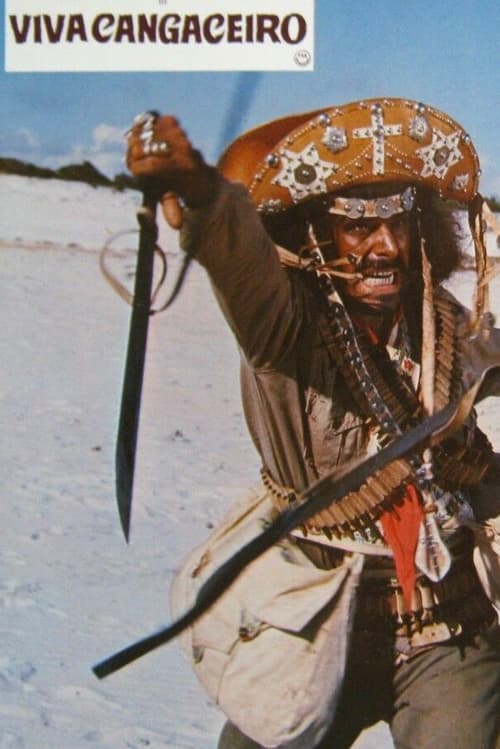
A new incarnation of Cangaceiro bandits, led by Coirana, has risen in the badlands. A blind landowner hires Antônio to wipe out his old nemesis. Yet after besting Coirana and accompanying the dying man to his mountain hideout, Antônio is moved by the plight of the Cangaceiro’s followers. The troubled hitman turns revolutionary, his gun and machete aimed towards his former masters.
1964

1967
1969

1939
1966
1958
1966
1971
No reviews yet. Be the first to share your thoughts on this movie!
Use the rating form above to leave a star rating and optional review.