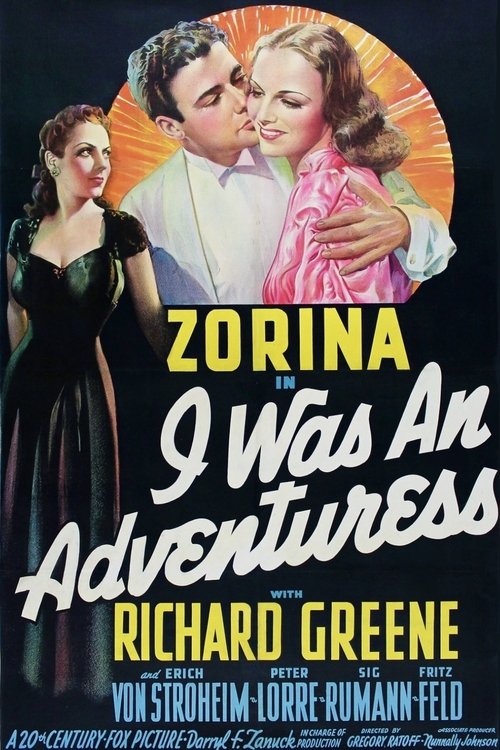
I Was an Adventuress
1940
No user ratings available yet
Representation score: 1.9 out of 10
Representation Score
Limited
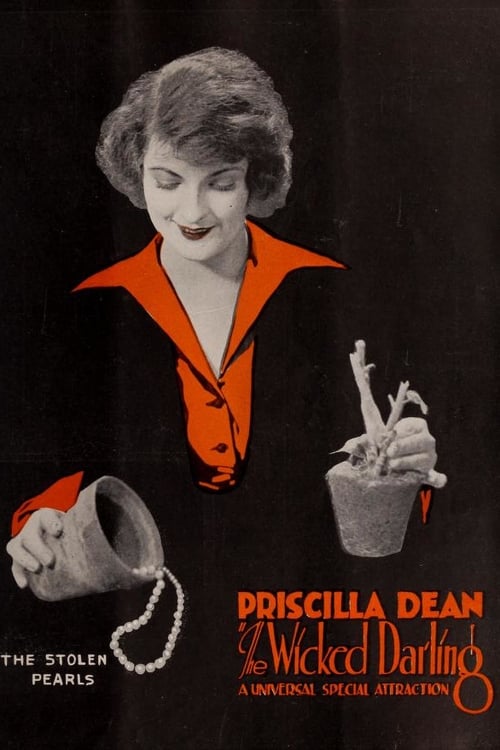
1919
Director
Tod Browning
Runtime
59 minutes
Average Rating
No ratings yetNew Showbiz Analysis
The film operates within the narrow social and cinematic conventions of the early 20th century. While it lacks depth in terms of identity-based diversity, it provides a subtle critique of class through its protagonist's struggle for survival. Representation is primarily traditional, focusing on heterosexual romance and homogeneous casting. The narrative's strength lies in its depiction of economic pressures rather than identity-based subversion. Ultimately, the film serves as a period-specific crime drama that uses class conflict to offer foundational social commentary.
Category Breakdown
The film does not include explicit representations of LGBTQ+ identities or same-sex relationships. The plot revolves around a conventional romantic relationship between a socialite's ex-fiancé and a woman from a lower socioeconomic background.
The protagonist challenges passive female stereotypes by acting as a thief motivated by necessity. However, her actions remain closely tied to her relationship with the male lead, relying on established storylines.
The film adheres to the homogenous casting practices typical of 1919. There is no indication of ethnically diverse casting or the use of non-human metaphors to represent different races.
The story highlights the tension between socioeconomic classes by contrasting a poor girl with a wealthy woman. It portrays crime as a survival tactic, offering a critique of class hierarchies.
There is no information about the inclusion of characters with physical or neurodivergent disabilities in this production.
Present on Screen
Limited or Absent
Official Synopsis
A slum girl is forced to steal for a living. After she swipes a rich society's matron's necklace, she hides out at the home of a man who turns out to be the socialite's former fiance.
1940

1932
1930
1931
1939
1925
1919

1932
No reviews yet. Be the first to share your thoughts on this movie!
Use the rating form above to leave a star rating and optional review.