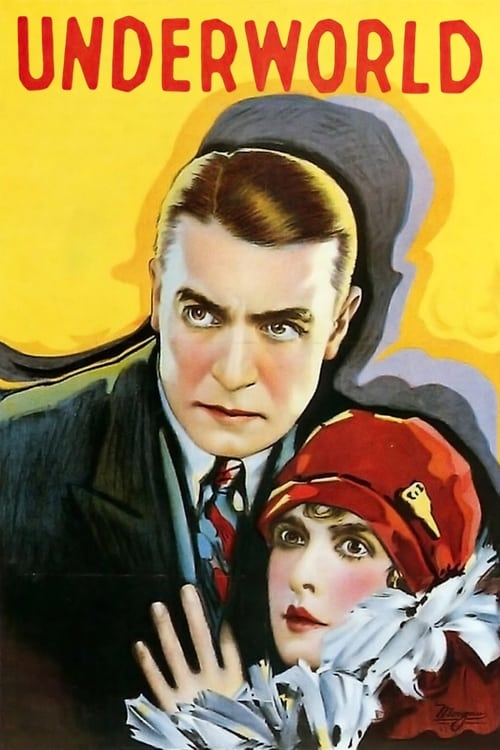
Underworld
1927
No user ratings available yet
Representation score: 1.9 out of 10
Representation Score
Minimal
1925
PassedDirector
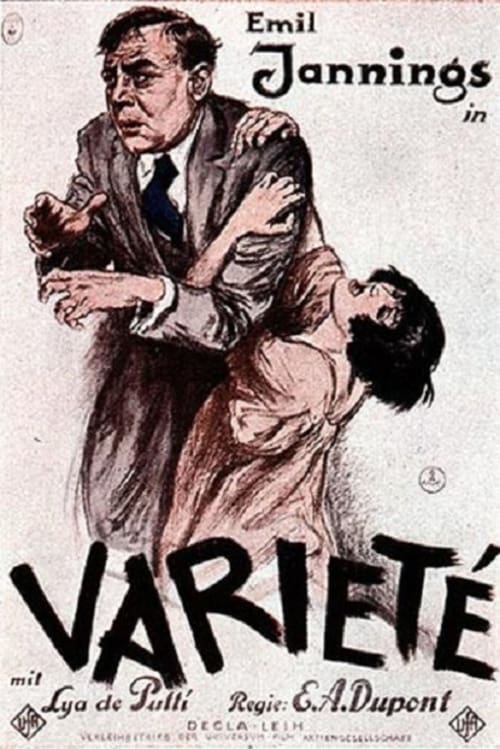
E.A. Dupont
Runtime
104 minutes
Average Rating
No ratings yetNew Showbiz Analysis
Varieté is a psychological drama that prioritizes the exploration of obsession and the outsider archetype over social representation. Its cinematic power lies in deconstructing morality rather than showcasing diverse identities. The film reflects the era's focus on individual psychological struggle. While it captures the chaos of underrepresented social fringes, it lacks the intentionality required for modern diversity metrics. Ultimately, the work is a masterclass in German Expressionism that remains limited by the demographic homogeneity typical of early 20th-century European cinema.
Category Breakdown
The film does not include explicit LGBTQ+ characters or stories. The main plot revolves around a crime-driven romance without showing non-traditional gender identities.
A romantic triangle drives the plot, highlighting intense emotional volatility. While it moves beyond stable domestic roles, it does not explicitly challenge traditional gender hierarchies.
The casting and setting are predominantly homogeneous, reflecting the social constraints of the Weimar-era German film industry. There is no significant non-white representation.
The narrative explores the fringes of society, such as the circus and criminal underworld. This focus disrupts portrayals of traditional, stable Western institutions.
There is no documented evidence of characters with disabilities being portrayed with real power. The film prioritizes psychological obsession and criminal intent.
Present on Screen
Limited or Absent
Official Synopsis
Murderer “Boss” Huller—after having spent ten years in prison—breaks his silence to tell the warden his story.
1927

1952
1930
1937

1940
1941

1935
1927
No reviews yet. Be the first to share your thoughts on this movie!
Use the rating form above to leave a star rating and optional review.