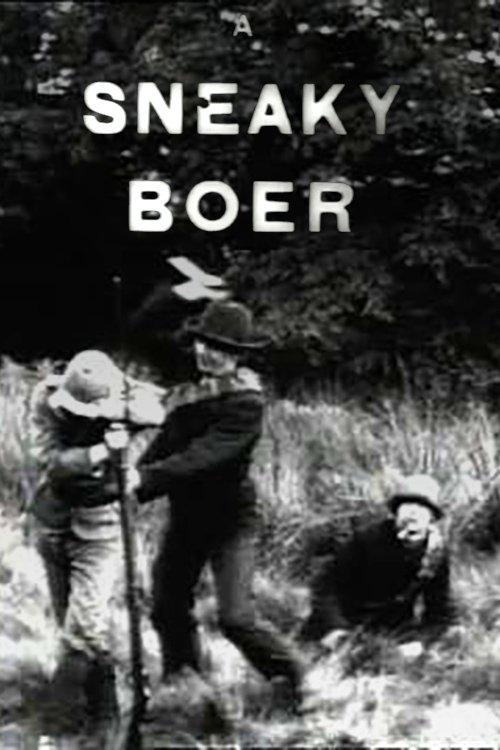
The Sneaky Boer
1901
No user ratings available yet
Representation score: 0.8 out of 10
Representation Score
Minimal
1912
NRDirector
D.W. Griffith
Runtime
15 minutes
Average Rating
No ratings yetNew Showbiz Analysis
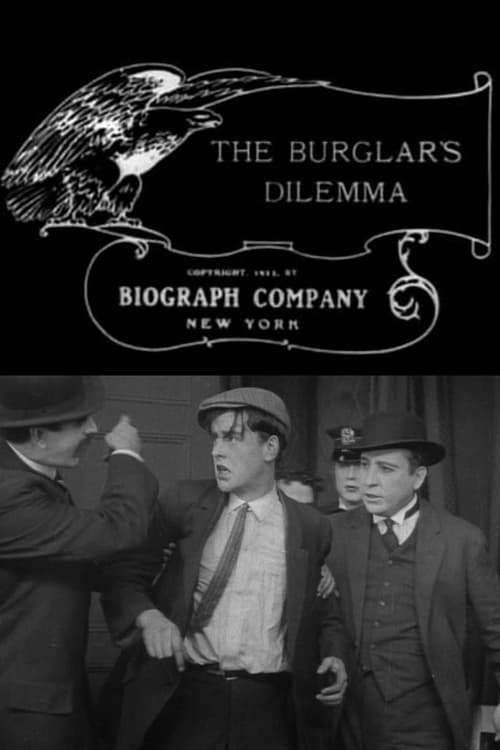
The Burglar’s Dilemma operates as a conventional crime drama grounded in early 20th-century cinematic traditions. It employs classical moral archetypes, particularly the Cain and Abel story, to explore sibling rivalry and mistaken identity. While notable for D.W. Griffith's direction, the film lacks multi-layered complexity. The narrative emphasizes traditional familial structures and upholds the social mores of its era without challenging them. Ultimately, the film offers a narrow, Eurocentric perspective on individual impulse and state authority, lacking diverse representation or social critique.
Category Breakdown
The film does not include any characters with LGBTQ identities. The story revolves around a traditional conflict between brothers.
The story centers on a male-dominated conflict involving brothers and a male intruder. It relies on traditional male archetypes of aggression and legal confrontation.
The plot describes a homogeneous domestic conflict. The narrative follows standard Western, Eurocentric dramatic conventions of the early 20th century.
The film uses a biblical Cain and Abel framework. It relies on traditional Judeo-Christian morality to frame the tension between impulse and authority.
There are no characters with visible or invisible disabilities mentioned in this crime drama.
Present on Screen
Limited or Absent
Official Synopsis
In this latter day Cain and Abel story, a jealous brother strikes down his sibling just as a young burglar is about to enter the house. The jealous brother summons police, who then charge the intruder with murder.
1901
1931
1930

1912
1908
1940
1939
1915
No reviews yet. Be the first to share your thoughts on this movie!
Use the rating form above to leave a star rating and optional review.