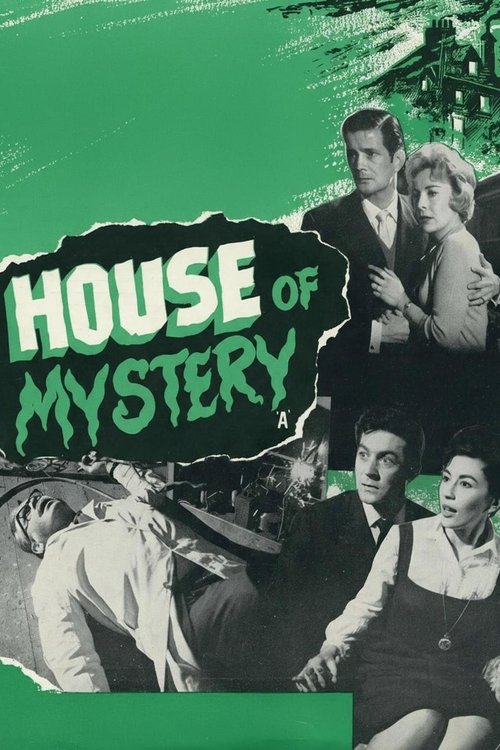
House of Mystery
1961
No user ratings available yet
Representation score: 0.8 out of 10
Representation Score
Minimal
1965
NRDirector
William Conrad
Runtime
107 minutes
Average Rating
No ratings yetNew Showbiz Analysis
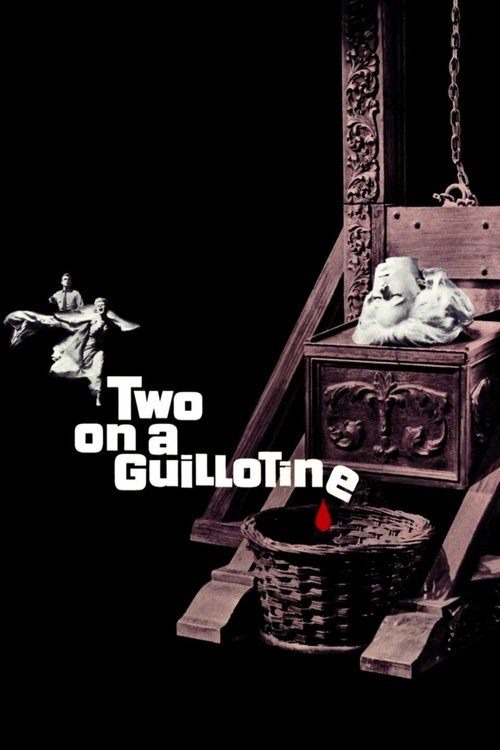
Two on a Guillotine is a mid-1960s mystery-horror film that prioritizes atmospheric tension and genre mechanics over social exploration. The narrative is built around a singular inheritance-driven plot, focusing on a female protagonist navigating a domestic space defined by a male figure's past tragedy. The film adheres to the conventional storytelling standards of its era, offering little engagement with the overlapping aspects of identity or the subversion of power dynamics. It functions as a traditionalist genre piece rather than a tool for social critique. Ultimately, the production lacks intentionality regarding diverse representation, maintaining a standard approach to character and conflict that reflects the period's cinematic norms.
Category Breakdown
The film does not include any LGBTQ+ characters or depict same-sex relationships. It focuses on a straight relationship between the magician and his daughter.
The female lead drives the plot through her quest for inheritance, providing her with a significant role. However, she is still tied to traditional clichés of vulnerability within a male-centric tragedy.
The narrative appears to lack significant racial or ethnic diversity. The story focuses on a specific family's inheritance, suggesting a homogeneous cast typical of the era.
The film operates within a traditional Western framework regarding property and inheritance. It does not engage in critiques of religion or systemic institutions.
There is no evidence of characters with visible or invisible disabilities. The film does not use neurodivergence or physical disability as a narrative component.
Present on Screen
Limited or Absent
Official Synopsis
The daughter of a dead magician who accidentally killed his wife, her mother, while performing a guillotine trick must spend the night in his house in order to collect her inheritance. Is the house haunted or is it all magic?
1961

1961
1946
1972
1933
1971
1969
1966
No reviews yet. Be the first to share your thoughts on this movie!
Use the rating form above to leave a star rating and optional review.