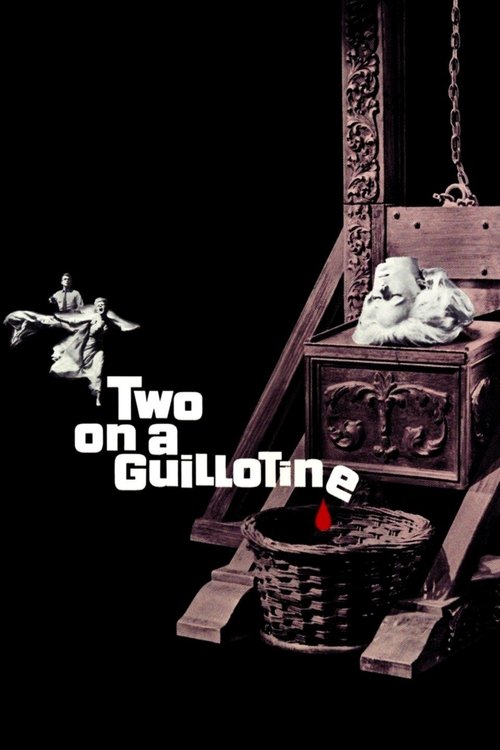
Two on a Guillotine
1965
No user ratings available yet
Representation score: 0.4 out of 10

Representation Score
Limited
1993
RDirector
Kevin Tenney
Runtime
98 minutes
Average Rating
No ratings yetNew Showbiz Analysis
Witchboard 2 is a conventional genre piece that adheres to the established cinematic structures of the early 1990s. It prioritizes traditional horror clichés over intentional social disruption or multi-layered storytelling. The film maintains a homogeneous demographic profile, featuring a predominantly white cast and a lack of LGBTQ+ representation. While it centers on a female lead, the characterization follows standard genre archetypes rather than challenging gender hierarchies. Ultimately, the narrative focuses on individual struggles against supernatural forces. It lacks the depth required to engage with diverse cultural perspectives or provide meaningful representation for underrepresented groups.
Category Breakdown
The film does not feature any visible LGBTQ+ characters or storylines. It stays within a conventional framework that doesn't engage with non-straight relationships or queer perspectives.
A female protagonist drives the plot, providing a baseline of influence. However, the narrative relies on traditional 'final girl' or supernatural victim clichés common to 1990s horror.
The production features a predominantly white cast. There is no significant evidence of racial blending or diverse characters used to add depth to the narrative.
Themes of mediumship and the occult center on spiritualism. These elements function as traditional horror devices rather than critiques of religious or Western institutions.
There is no evidence of characters with disabilities portrayed with influence. The film focuses on the tolls of possession rather than nuanced explorations of neurodivergence or physical disability.
Present on Screen
Limited or Absent
Official Synopsis
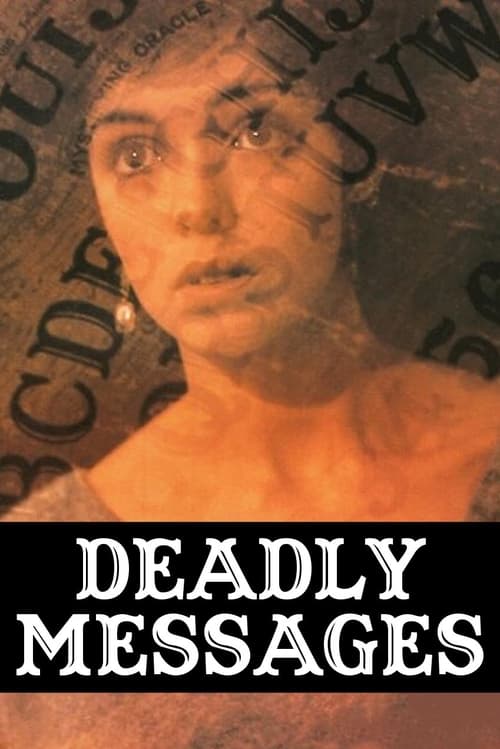
A young woman starts receiving messages through a Ouija board, claiming to be from the former occupant of her apartment.
1965

2006

2009
1986
1985
2000

2017
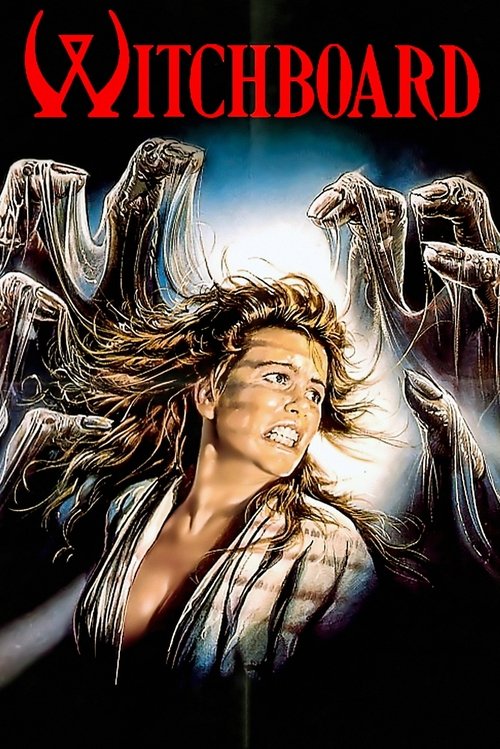
1986
No reviews yet. Be the first to share your thoughts on this movie!
Use the rating form above to leave a star rating and optional review.