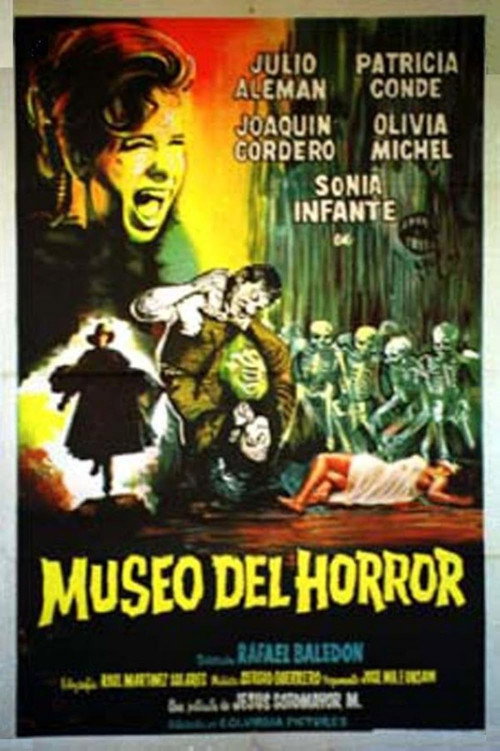
Museum Of Horror
1964
No user ratings available yet
Representation score: 1.0 out of 10
Representation Score
Minimal
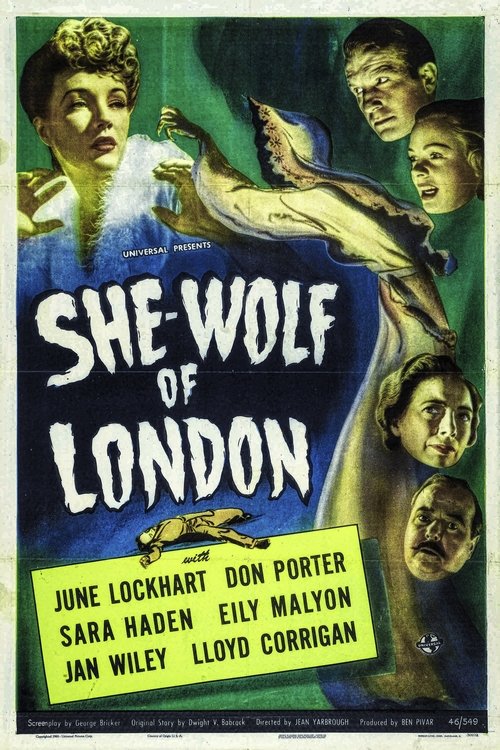
1946
ApprovedDirector
Jean Yarbrough
Runtime
61 minutes
Average Rating
No ratings yetNew Showbiz Analysis
She-Wolf of London reflects the demographic and social norms of its historical context, maintaining the homogeneity and social hierarchies typical of 1940s genre cinema. The narrative sticks to established clichés without challenging existing social orders. The film does not intentionally address diverse representations or disrupt conventional expectations. It serves as a typical mystery that upholds the status quo of its time.
Category Breakdown
The film does not include any LGBTQ+ characters or themes. It follows the traditional romantic and social structures of the 1940s.
Although the film focuses on a female protagonist, she primarily reacts to events rather than driving the story forward. She faces constant scrutiny and suspicion from male investigators throughout the mystery.
The cast is predominantly white and lacks representation from non-white or non-Anglo-Saxon backgrounds. It adheres to the demographic standards of mid-1940s B-movies.
The storyline relies on conventional Western myths such as a family curse. It does not critique religion, capitalism, or Western institutions.
The protagonist’s loss of control is portrayed as a supernatural horror element. It fails to provide a nuanced depiction of disability or neurodivergence as a real-life experience.
Present on Screen
Limited or Absent
Official Synopsis
A young heiress finds evidence suggesting that at night she acts under the influence of a family curse and has begun committing ghastly murders in a nearby park.
1964
1939
1965
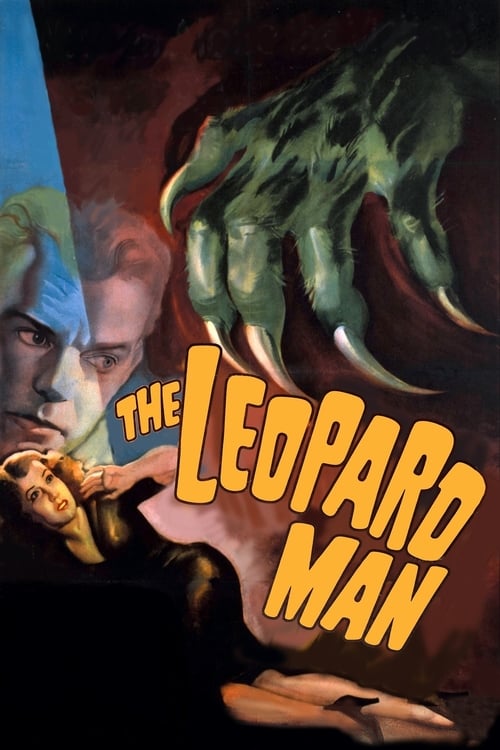
1943
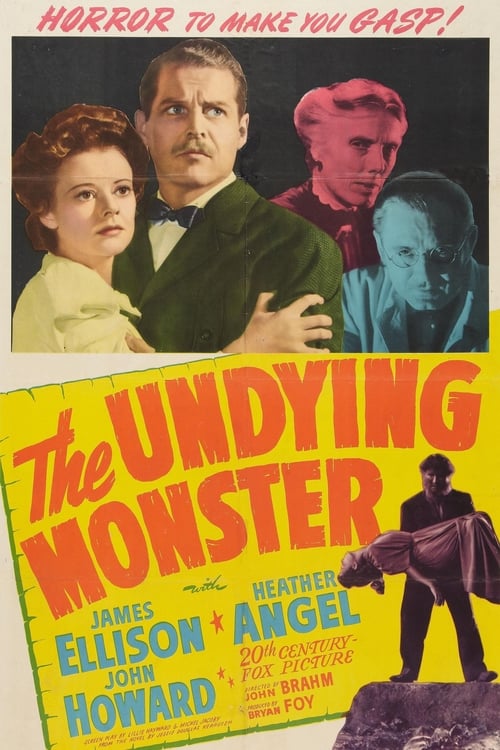
1942
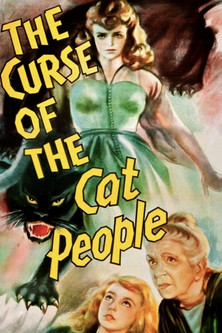
1944
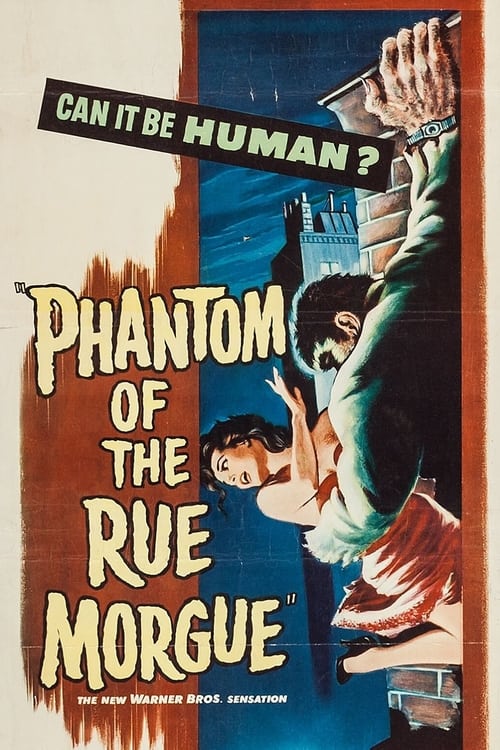
1954
1972
No reviews yet. Be the first to share your thoughts on this movie!
Use the rating form above to leave a star rating and optional review.