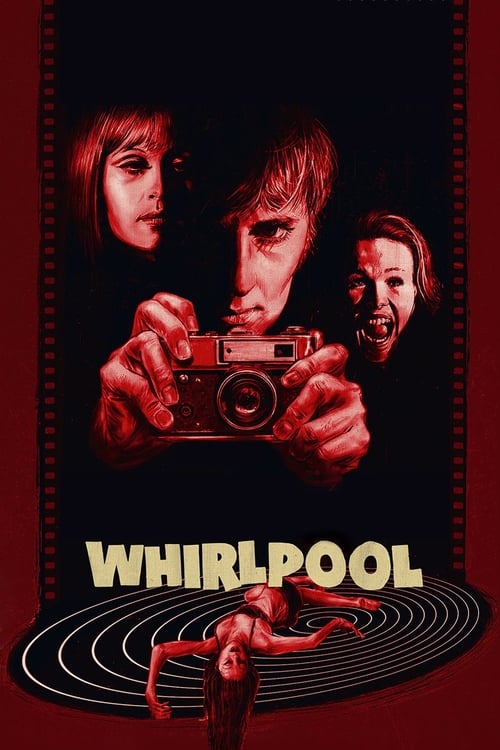
Whirlpool
1970
No user ratings available yet
Representation score: 4.7 out of 10

Representation Score
Limited
1967
UnratedDirector
David Greene
Runtime
99 minutes
Average Rating
No ratings yetNew Showbiz Analysis
The Shuttered Room is a classic mid-century psychological horror film that emphasizes atmosphere over social commentary. The narrative centers on traditional hierarchies of class and gender, focusing on the internal decay of a single family unit. Since the film doesn't aim to disrupt social norms, it functions as a traditional genre piece. It reinforces the societal norms of its time through its use of established formulas. Ultimately, the film's focus on domestic instability and ancestral curses leaves little room for diverse representation or the inclusion of underrepresented identities.
Category Breakdown
The film doesn't include any non-straight or non-cisgender identities. Relationships focus solely on traditional marriage and family ties.
Susannah is the main character investigating the mystery, but her role is mostly reactive. The story emphasizes the female perspective on male instability rather than challenging male dominance.
The cast is predominantly white, reflecting the demographics typical of 1960s films. There's no diversity in race or ethnicity, focusing instead on a specific social class.
The story follows traditional Western gothic themes, emphasizing inheritance and family legacies. It reinforces conventional views of family history without questioning Western institutions.
The film uses mental instability as a tool for creating suspense. These elements serve as plot devices for horror rather than nuanced depictions of mental health issues.
Present on Screen
Limited or Absent
Official Synopsis
In a small island off the American coast, the Whateleys live in an old mill where a mysterious bloody being creates an atmosphere of horror. After her parents get killed by lightning, young Susannah is sent to New York by her aunt Agatha, who wants her to avoid the family curse. Years later Susannah, now married, persuades her husband to spend a holiday in the abandoned mill. Once on the island, Susannah and Mike soon find themselves exposed to the hostility of a gang of thugs led by Ethan, Susannah's brutal cousin.
1970
1972
1971

1976
1968

1960
1973

1975
No reviews yet. Be the first to share your thoughts on this movie!
Use the rating form above to leave a star rating and optional review.