
The Manor of Araucaima
1986
No user ratings available yet
Representation score: 5.0 out of 10

Representation Score
Fair
1970
XDirector
José Ramón Larraz
Runtime
87 minutes
Average Rating
No ratings yetNew Showbiz Analysis
Whirlpool is a character-driven psychological study that emphasizes internal dissolution over social commentary. While it offers some subversion through its focus on women's ability to drive the story, it remains traditional in its portrayal of race, culture, and sexuality. The film operates within a narrow, Eurocentric, and straight-centered framework. The narrative's strength lies in its departure from passive female archetypes, using the protagonist's instability to drive the story. However, this is offset by a lack of diversity in almost every other category. Ultimately, the work functions as a genre piece that explores individual pathology within a very narrow, Eurocentric, and straight-centered context.
Category Breakdown
The film does not include any LGBTQ+ narratives or characters with non-traditional gender identities. Relationships are based on traditional heterosexual attraction and obsession.
The story centers on the psychological ability to act of the female protagonist. Her mental instability and erotic drive propel the plot.
The film features a cast that is predominantly white and localized within a Eurocentric setting. There is no indication of intentional racial diversity or non-white casting.
The story adheres to traditional themes of morality and social order. Breakdowns in the story are portrayed as individual pathologies rather than critiques of Western institutions.
Mental health and psychological instability are key plot elements. The film focuses on the character's subjective experience rather than mocking mental distress.
Present on Screen
Limited or Absent
Official Synopsis
Tulia, a young model, is invited to a photographer's country home for what purports to be a quiet weekend retreat - but soon appears to be anything but.
1986

1975

1967

1971
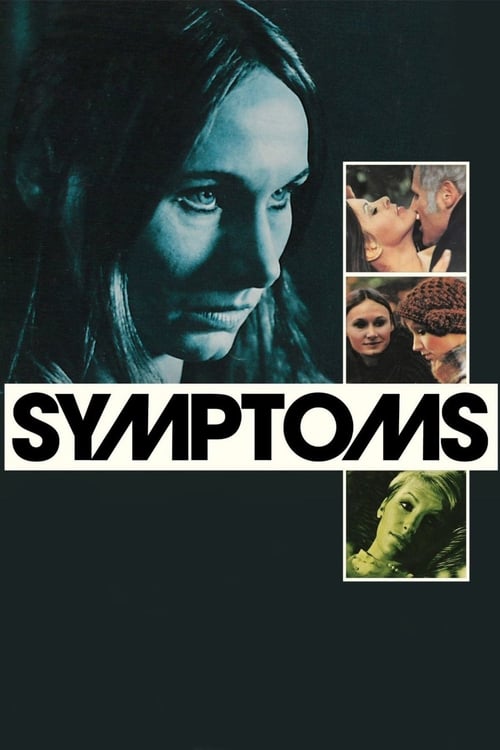
1974

1964

1973

1976
No reviews yet. Be the first to share your thoughts on this movie!
Use the rating form above to leave a star rating and optional review.