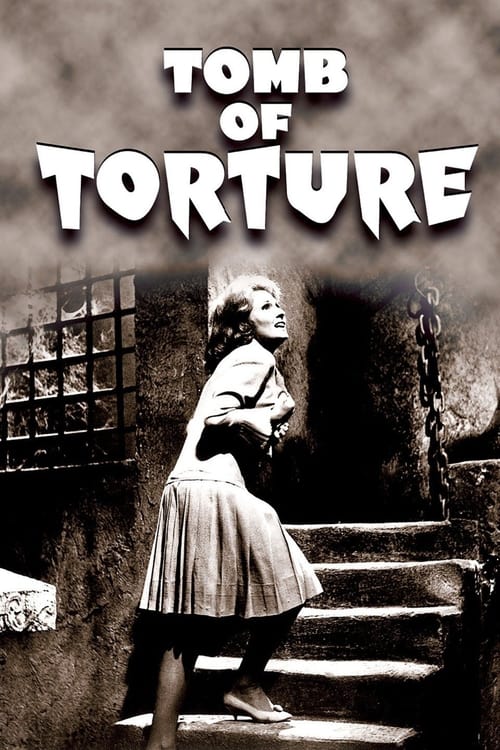
Tomb of Torture
1963
No user ratings available yet
Representation score: 5.9 out of 10
Representation Score
Minimal
1969
Director
Ferruccio Casapinta
Runtime
90 minutes
Average Rating
No ratings yetNew Showbiz Analysis
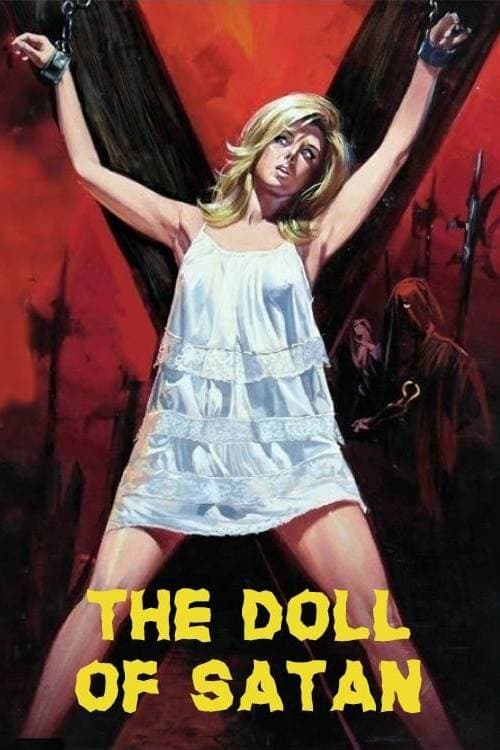
The Doll of Satan adheres closely to the established genre conventions of 1960s European horror. The narrative relies on traditional clichés, such as inheritance disputes and the victimization of a female protagonist, to drive the plot forward. There is a notable absence of diverse identities or casting. The film's structure prioritizes a heterosexual relationship and a Eurocentric setting, offering little room for modern progressive representation. Ultimately, the film serves as a period-typical thriller that reinforces existing social hierarchies rather than challenging them through varied cultural perspectives.
Category Breakdown
The story focuses on a heterosexual relationship between Elisabeth and Jack. There are no LGBTQ+ characters or identities represented in the film.
Elisabeth is portrayed as a victim of kidnapping and torture, while Jack acts as the investigator. This reinforces the 'damsel in distress' cliché common in 1960s thrillers.
The setting and characters suggest a homogeneous, Eurocentric cast. There is no evidence of diverse ethnic representation within the plot.
The plot revolves around Gothic themes of ancestral legacy and inheritance. It adheres to traditionalist social structures without offering institutional or secular critiques.
The film does not include any characters with physical or neurodivergent disabilities.
Present on Screen
Limited or Absent
Official Synopsis
Following the death of her uncle, Elisabeth returns to her family's castle for the reading of his will. She is informed of legends about the castle's ghost and experiences erotically charged nightmares, before being kidnapped by a hooded figure and tortured in the dungeon. Meanwhile, her boyfriend Jack suspects a plot to gain Elisabeth's inheritance and begins his own investigation...
1963
1972
1983

1966
1965
1961
1965

1961
No reviews yet. Be the first to share your thoughts on this movie!
Use the rating form above to leave a star rating and optional review.