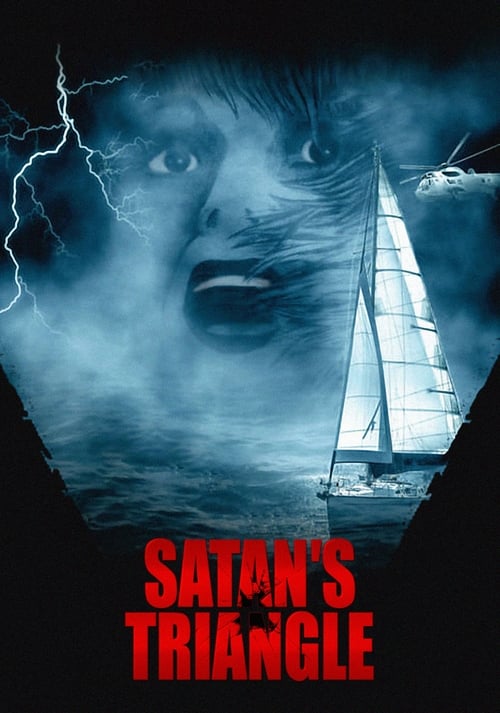
Satan's Triangle
1975
No user ratings available yet
Diversity score: 3.2 out of 10
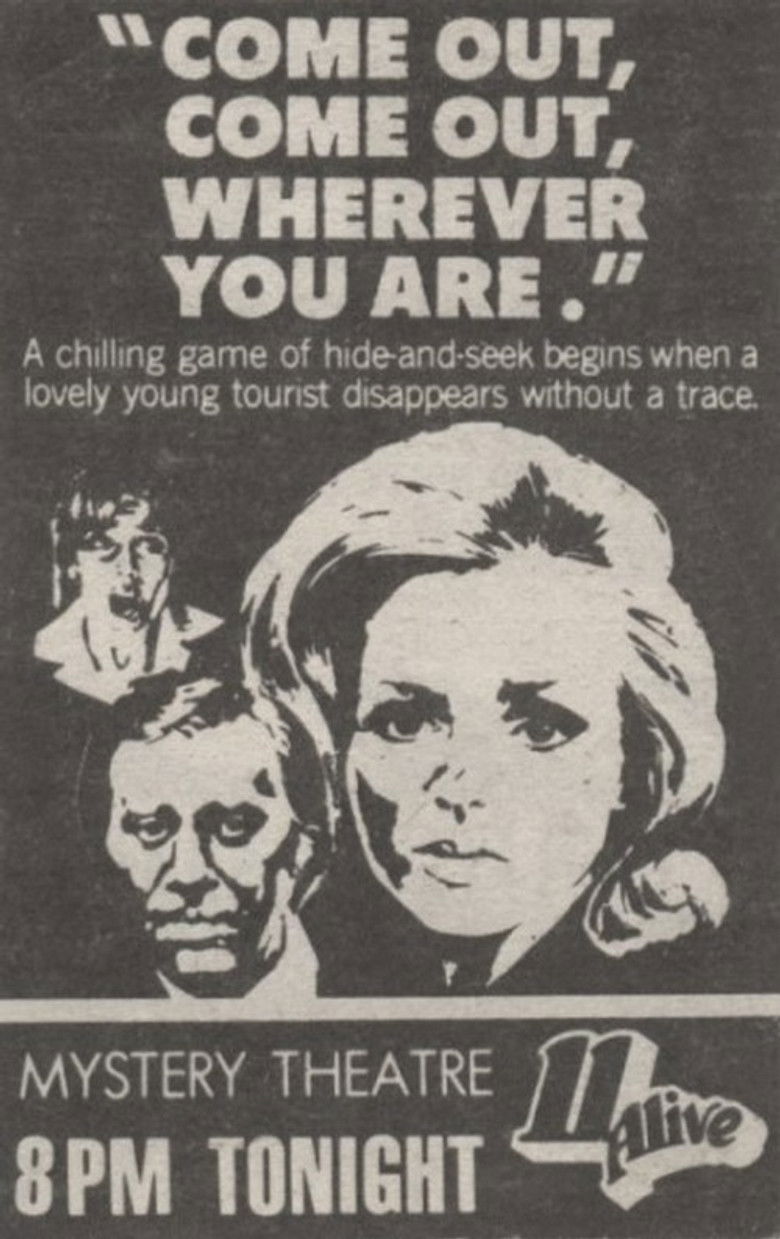
1974
TV-14Director
John Sichel
Runtime
63 minutes
Average Rating
No ratings yetSynopsis
Two American girls go on a vacation to England and mysterious things begin happening when one of them falls to her death from atop a monument.
Overall Score
Limited
Category Breakdown
LGBTQ+ Representation
The film focuses on a duo of American women traveling through England. There is no explicit evidence of non-cisnormative identities or narratives designed to critique heteronormativity.
Gender Representation
Women serve as the primary protagonists navigating a dangerous environment. This centers female agency and disrupts the male-centric hero tropes common in 1970s horror.
Racial & Ethnic Diversity
The cast appears to follow conventional 1970s Western demographic norms. There is no evidence of race-bent casting or a non-Anglo-Saxon majority within the narrative.
Religious & Cultural Diversity
The story utilizes the 'stranger in a strange land' trope regarding American and British cultural friction. It functions as a standard suspense piece rather than a social critique.
Disability Representation
The narrative contains no mention of characters possessing visible or invisible disabilities.
Strengths
Areas for Improvement
AI Analysis
Come Out, Come Out, Wherever You Are is a conventional 1970s mystery that centers on female protagonists. While it provides meaningful engagement by placing women at the heart of the plot, it lacks intersectional complexity. The film adheres to the established social and cinematic norms of its era. It lacks demographic breadth and does not attempt to provide a systemic critique of power or identity. Ultimately, the production functions as a standard genre piece, prioritizing suspense over progressive thematic architecture or diverse representation.
1975
1975
1973
1974
1973
No reviews yet. Be the first to share your thoughts on this movie!
Use the rating form above to leave a star rating and optional review.