
El Paso
2015
No user ratings available yet
Diversity score: 7.1 out of 10
1960
Director
Fred W. Friendly
Runtime
55 minutes
Average Rating
No ratings yetSynopsis
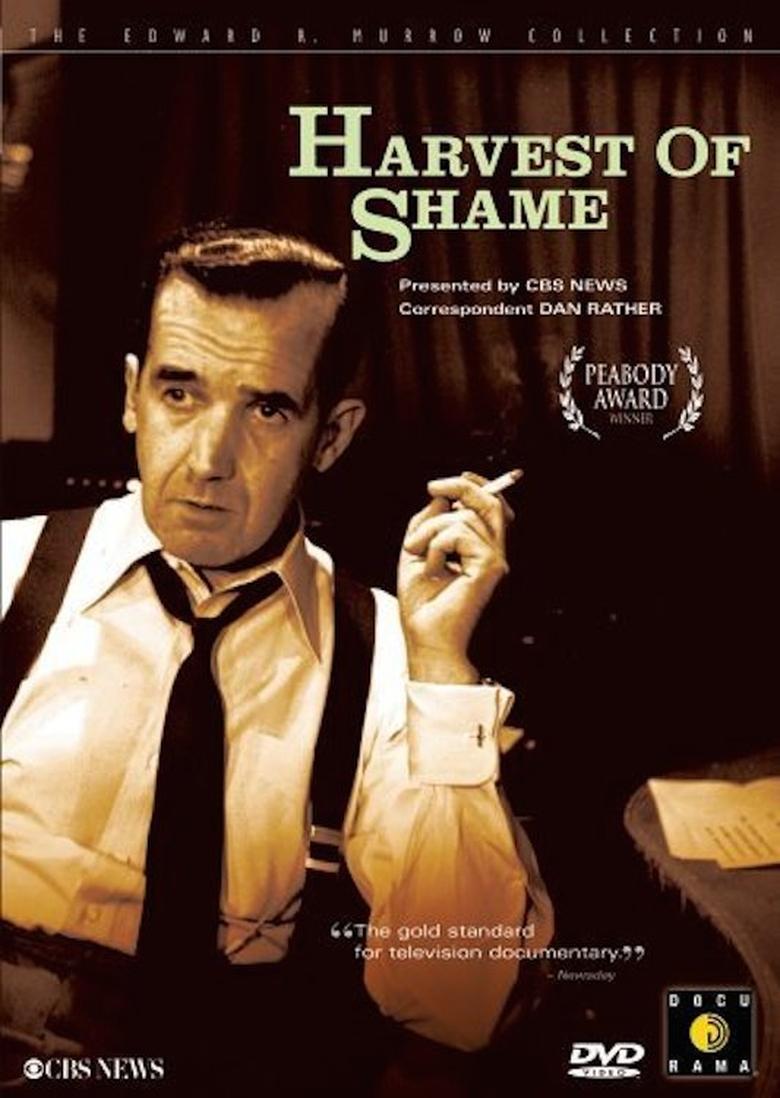
In this CBS News production broadcast on Thanksgiving 1960, Edward R. Murrow points out the plight of migrant farm workers in America. Topics range from the harsh living conditions, endless travel, low wages, and poor opportunities for their children.
Overall Score
Good
Category Breakdown
LGBTQ+ Representation
The documentary focuses strictly on socioeconomic and labor-related realities. There is no discernible presence of LGBTQ+ identities or narratives within the film's scope.
Gender Representation
Women are portrayed as essential participants in grueling manual labor rather than just domestic figures. The film highlights how economic necessity mobilizes all family members into the workforce.
Racial & Ethnic Diversity
The film centers the lived experiences of Mexican-American and Black laborers. It uses these specific racialized experiences to illustrate how systemic inequality is woven into the agricultural economy.
Religious & Cultural Diversity
The narrative deconstructs the myth of American exceptionalism by contrasting consumer abundance with producer deprivation. It critiques how large-scale corporations and institutions fail the migrant class.
Disability Representation
The film depicts the physical degradation caused by repetitive, high-intensity labor and substandard living conditions. It focuses on the collective physical toll rather than individual protagonists with specific disabilities.
Strengths
Areas for Improvement
AI Analysis
Harvest of Shame is a powerful systemic critique that disrupts mid-century American narratives. It succeeds by centering marginalized racial and ethnic identities, specifically Mexican-American and Black laborers, to expose the mechanics of exploitation. The film's strength lies in its ability to deconstruct the 'American Dream' through a lens of class and racialized labor. It moves beyond simple observation to provide a profound critique of capitalist structures and institutional indifference. However, the documentary lacks representation of LGBTQ+ identities and focuses on labor as a collective rather than exploring individual neurodivergent or physically disabled perspectives. Its scope remains strictly tied to the socioeconomic realities of 1960s agriculture.
2015
2012
2005

2006

2010

2009

2017

2017
2005
2005

2011
1973
No reviews yet. Be the first to share your thoughts on this movie!
Use the rating form above to leave a star rating and optional review.