A 3 Minute Hug
2018
No user ratings available yet
Representation score: 8.7 out of 10
Representation Score
Good
2015
Director
Everardo González
Runtime
76 minutes
Average Rating
No ratings yetNew Showbiz Analysis
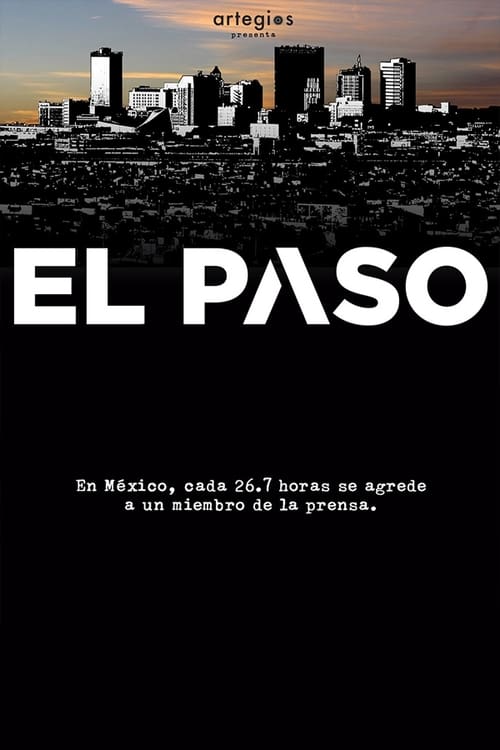
Everardo González delivers a sophisticated critique of geopolitical power by centering the 'invisible' reporters and migrants caught in an immigration limbo. The film succeeds by shifting the gaze away from Anglo-centric perspectives, instead utilizing the lived experiences of underrepresented Latin American identities to drive the story. While the documentary excels in racial and cultural representation, it remains focused on the socio-political struggle of political exile. This specific focus means that other identity markers, such as LGBTQ+ representation, are not present in the narrative. Ultimately, the film functions as a powerful deconstruction of Western institutional authority. It replaces the traditional news narrative with a raw look at the victims of systemic failure and the human toll of border enforcement.
Category Breakdown
The film focuses on the migration crisis and political exile. It does not include LGBTQ+ identities or storylines that code characters as queer.
The documentary highlights the vulnerabilities and roles of women and children facing systemic violence. However, gendered experiences are sometimes secondary to the broader theme of political survival.
The film provides exceptional representation of Latin American identities. It centers the lived experiences of people of color to challenge Western media dominance and racialized state borders.
The narrative offers a post-colonial critique of nationalism and state sovereignty. It prioritizes the human cost of migration over the sanctity of traditional political structures.
The film does not explicitly center characters with recognized disabilities. It touches on psychological trauma and bodily vulnerability through the lens of migration and systemic disenfranchisement.
Present on Screen
Limited or Absent
Official Synopsis
This is a story about the families of those that once were our witnesses, our eyes and our voice, but were threatened, had to leave Mexico and forced to live in exile, seeking for political asylum. It is not about powerful journalists, it is about invisible reporters that represent the weakest links of the news network’s chain and now are living in an immigration limbo.
2018

2016
2005

2021

2017
2019

2015

2007
No reviews yet. Be the first to share your thoughts on this movie!
Use the rating form above to leave a star rating and optional review.