
Down and Out in America
1986
No user ratings available yet
Representation score: 8.1 out of 10
Representation Score
Good
2012
Not RatedDirector
Chad Freidrichs
Runtime
79 minutes
Average Rating
No ratings yetNew Showbiz Analysis
The Pruitt-Igoe Myth is a sophisticated deconstruction of urban architectural theory and American social policy. It successfully shifts the focus from residents to the state, challenging traditional assumptions that individual behavior drives community success. The film's strength lies in its robust racial representation and its ability to reframe the demolition of the complex as a consequence of institutional neglect. By prioritizing the voices of people of color, it avoids common clichés regarding underrepresented communities. While the film excels in systemic critique, it lacks specific focus on LGBTQ+ identities or disability representation. It maintains a neutral stance on gender, focusing instead on the collective experience of the community.
Category Breakdown
The documentary focuses on socioeconomic and racial systemic failures. There is no clear emphasis on LGBTQ+ identities or queer theories.
The film does not emphasize gendered power dynamics or the roles of masculinity and femininity. It maintains a neutral stance on individual gender roles.
The film provides exceptional representation by centering the lived experiences of Black residents. It uses a critical lens to show how racial segregation and urban planning disadvantaged these populations.
The documentary engages in a profound critique of Western institutional effectiveness. It frames capitalism and state-led urban renewal as systemic forces contributing to community decay.
The film touches on the physical deterioration of the living environment. However, there is no dedicated focus on neurodivergence or visible and invisible disabilities.
Present on Screen
Limited or Absent
Official Synopsis
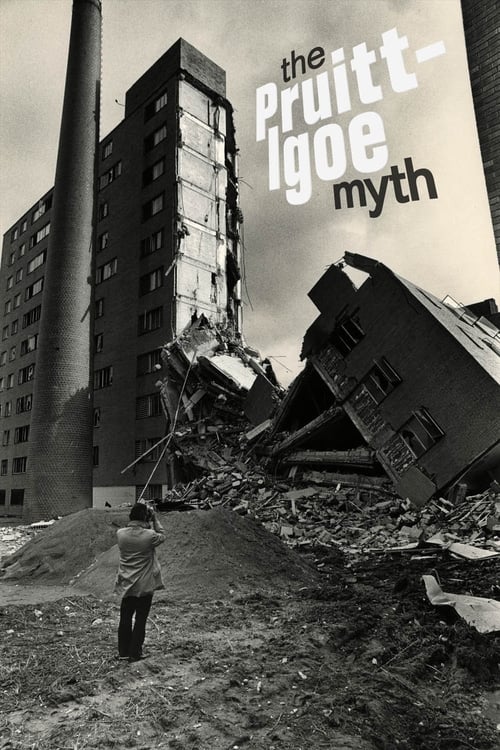
Destroyed in a dramatic and highly-publicized implosion, the Pruitt-Igoe public housing complex has become a widespread symbol of failure amongst architects, politicians and policy makers. The Pruitt-Igoe Myth explores the social, economic and legislative issues that led to the decline of conventional public housing in America, and the city centers in which they resided, while tracing the personal and poignant narratives of several of the project's residents. In the post-War years, the American city changed in ways that made it unrecognizable from a generation earlier, privileging some and leaving others in its wake. The next time the city changes, remember Pruitt-Igoe.
1986
2000
2017

2004
2013
1997
2022

2012
No reviews yet. Be the first to share your thoughts on this movie!
Use the rating form above to leave a star rating and optional review.