Fire in the Blood
2013
No user ratings available yet
Representation score: 8.8 out of 10
Representation Score
Good
2017
Director
Pedro Kos, Kief Davidson
Runtime
102 minutes
Average Rating
No ratings yetNew Showbiz Analysis
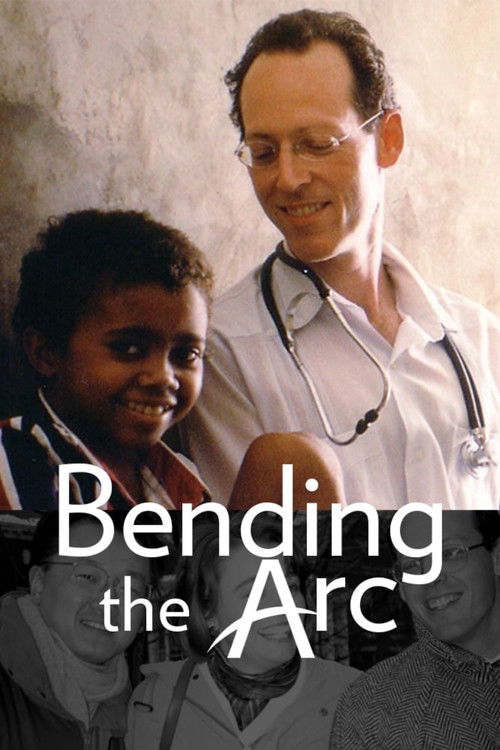
Bending the Arc is a powerful deconstruction of historical medical hierarchies. It moves beyond including someone from a minority group without giving them real depth by using a post-colonial framework that grants genuine ability to act to underrepresented populations in the Global South. The film's greatest strength lies in its ability to challenge the 'Western savior' cliché. By centering Haitian doctors and activists, it shifts the narrative from external intervention to local expertise and empowerment. While the film excels in racial and cultural representation, it lacks LGBTQ+ narratives and specific disability-focused storytelling. However, it successfully frames health through the lens of systemic rights and bodily vulnerability.
Category Breakdown
The documentary does not include specific LGBTQ+ characters or narratives. Instead, it focuses on the systemic struggles for healthcare equity in Haiti.
The film challenges traditional gender roles by highlighting female medical professionals such as Ophelia Dahl. These women are shown as key figures in creating systemic change rather than passive recipients of aid.
The narrative excels by dismantling the 'Western savior' stereotype. It emphasizes the expertise and ability to act of Haitian doctors, focusing on local empowerment and non-Anglo-Saxon viewpoints.
The film presents a nuanced critique of Western institutional models through a post-colonial lens. It highlights the tension between profit-driven healthcare and community-focused medical practices.
While specific disabilities are not the main focus, the film examines the physical vulnerabilities caused by systemic neglect. It frames health as a systemic right rather than an individual responsibility.
Present on Screen
Limited or Absent
Official Synopsis
About the extraordinary doctors and activists—including Paul Farmer, Jim Yong Kim, and Ophelia Dahl—whose work 30 years ago to save lives in a rural Haitian village grew into a global battle in the halls of power for the right to health for all.
2013
2022
2013
2013
2016
2019
2013
2014
No reviews yet. Be the first to share your thoughts on this movie!
Use the rating form above to leave a star rating and optional review.