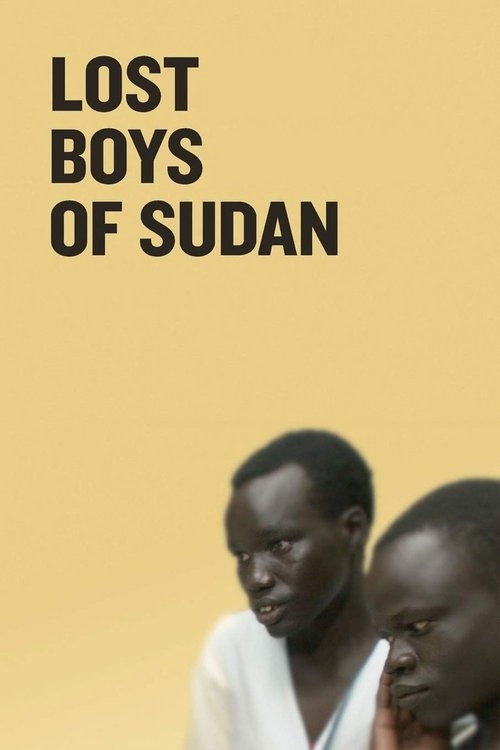
Lost Boys of Sudan
2003
No user ratings available yet
Representation score: 5.8 out of 10
Representation Score
Good
2006
PGDirector
Christopher Dillon Quinn
Runtime
89 minutes
Average Rating
No ratings yetNew Showbiz Analysis
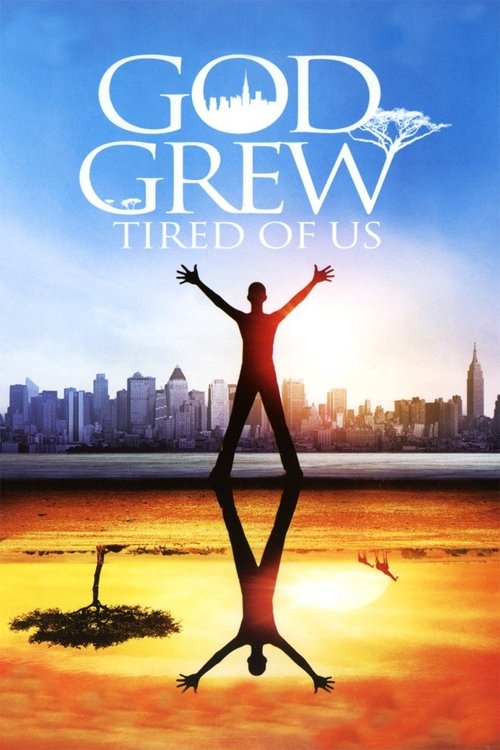
God Grew Tired of Us is a compelling exploration of displacement and the tension between traumatic pasts and Western integration. By centering Sudanese voices, it provides a crucial counter-narrative to the traditional American Dream. The film excels in showcasing the high ability to act of its subjects as they navigate cultural preservation and assimilation. However, the film’s scope is narrow, focusing primarily on the socioeconomic and psychological realities of relocation. It does not include LGBTQ+ identities or challenge traditional gender hierarchies. Instead, it offers a detailed look at the systemic challenges faced by those adapting to a new, often restrictive, social environment.
Category Breakdown
The film does not include any LGBTQ+ characters or stories related to sexual orientation or gender identity.
Gender roles are shown through the lens of survival and necessity. The film avoids portraying women in passive roles but does not challenge traditional views of masculinity and femininity.
The documentary focuses on Sudanese refugees, challenging Western-centric viewpoints. The subjects play a significant role in navigating assimilation while preserving their cultural heritage.
The narrative examines the psychological impact of integrating into Western society. It criticizes Western institutions and highlights the importance of maintaining non-Western cultural traditions.
The film addresses the hidden trauma and PTSD caused by conflict. These mental health issues are portrayed as systemic consequences of war, not individual failures.
Present on Screen
Limited or Absent
Official Synopsis
Filmmaker Christopher Quinn observes the ordeal of three Sudanese refugees -- Jon Bul Dau, Daniel Abul Pach and Panther Bior -- as they try to come to terms with the horrors they experienced in their homeland, while adjusting to their new lives in the United States.
2003

2016

2015
1997
2015

2011
2019
2021
No reviews yet. Be the first to share your thoughts on this movie!
Use the rating form above to leave a star rating and optional review.