
Welfare
1975
No user ratings available yet
Diversity score: 6.0 out of 10

1973
Director
Frederick Wiseman
Runtime
144 minutes
Average Rating
No ratings yetSynopsis
JUVENILE COURT shows the complex variety of cases before the Memphis Juvenile Court: foster home placement, drug abuse, armed robbery, child abuse, and sexual offenses. The sequences illustrate such issues as community protection vs. the desire for rehabilitation, the range and the limits of the choices available to the court, the psychology of the offender, and the constitutional and procedural questions involved in administering a juvenile court.
Overall Score
Good
Category Breakdown
LGBTQ+ Representation
The film functions as a strictly observational study of a judicial institution. There is no discernible presence of LGBTQ+ characters or narratives addressing sexual orientation.
Gender Representation
The film captures women in professional roles like clerks and social workers. However, these depictions largely adhere to the established professional hierarchies and gendered authority of the early 1970s.
Racial & Ethnic Diversity
The documentary provides a window into urban demographic complexities. It captures interactions between Black and white judges, lawyers, and defendants, reflecting the racial realities of the environment.
Religious & Cultural Diversity
The film deconstructs Western institutional norms by focusing on the mechanics of the justice system. It presents a landscape of situational ethics rather than promoting a singular moral or religious ideal.
Disability Representation
The film captures individuals facing mental health or neurodivergent challenges within the justice system. These are presented as part of the broader legal context rather than primary character arcs.
Strengths
Areas for Improvement
AI Analysis
Frederick Wiseman’s observational approach provides a raw, unvarnished look at the Memphis Juvenile Court. By documenting real-life participants, the film avoids sanitized narratives and instead highlights the friction between individual agency and systemic power. The strength of the work lies in its realistic depiction of racial diversity and its refusal to provide a moralistic view of legal structures. It captures the actual social fabric of an urban judicial setting. However, the film is limited by the era's institutional norms, particularly regarding gender roles and the total absence of LGBTQ+ representation. It remains a study of systemic processes rather than a platform for diverse identity narratives.
1975
1969
1994
1989
1986
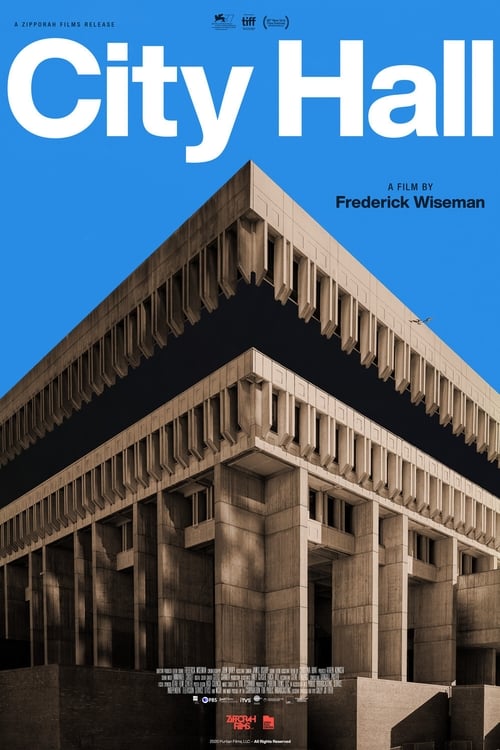
2020
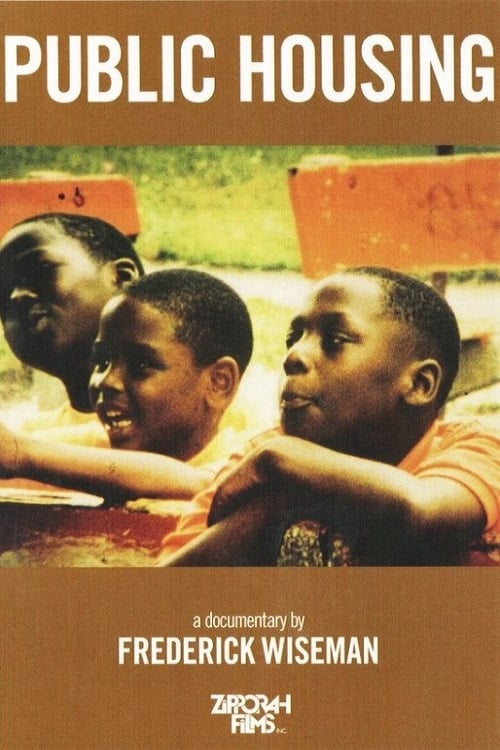
1997

2014
2011
1960

2015
2017
No reviews yet. Be the first to share your thoughts on this movie!
Use the rating form above to leave a star rating and optional review.