
American Beauty
1927
No user ratings available yet
Representation score: 2.9 out of 10
Representation Score
Limited
1933
NRDirector
Gregory La Cava
Runtime
67 minutes
Average Rating
No ratings yetNew Showbiz Analysis
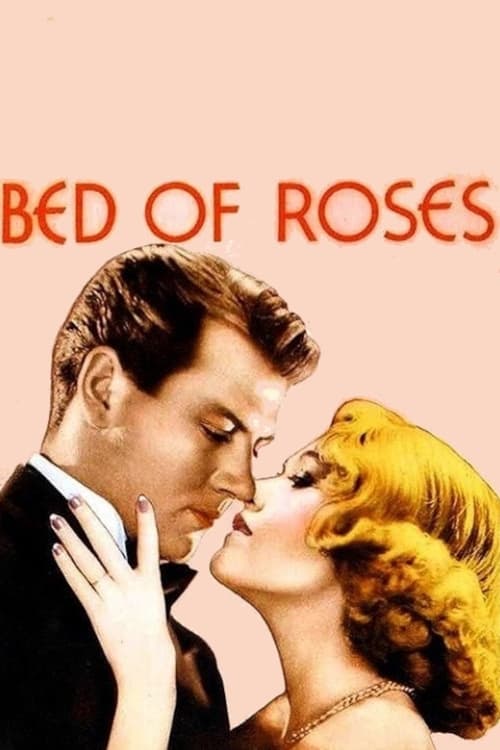
Bed of Roses is a sophisticated pre-Code film that excels in showcasing strong women's ability to drive the story and professional competence. However, it is constrained by the historical context of 1933, which limits its representation of racial, ethnic, and LGBTQ+ identities. The film provides a nuanced and cynical perspective on urban life and class, though it falls short in offering a diverse range of identities.
Category Breakdown
The film does not include any LGBTQ+ characters or explore non-straight relationships. All romantic tensions are confined to traditional heterosexual dynamics.
The story emphasizes the professional competence and intellectual ability to act of women. It showcases mentorship and solidarity between a seasoned columnist and a younger woman, challenging stereotypes of submissive femininity.
The cast is primarily made up of actors from similar backgrounds, reflecting the industry standards of the time. There is a lack of racial or ethnic diversity in the main storyline.
The film presents a cynical view of urban life, where a 'hard-boiled' protagonist challenges traditional moral expectations through non-conformist behavior.
The film does not prominently feature characters with visible or invisible disabilities that play a central role in the narrative.
Present on Screen
Limited or Absent
Official Synopsis
A girl from the wrong side of the tracks is torn between true love and a life of sin.
1927

1933
1929
1934
1933

1920

1923
1928
No reviews yet. Be the first to share your thoughts on this movie!
Use the rating form above to leave a star rating and optional review.