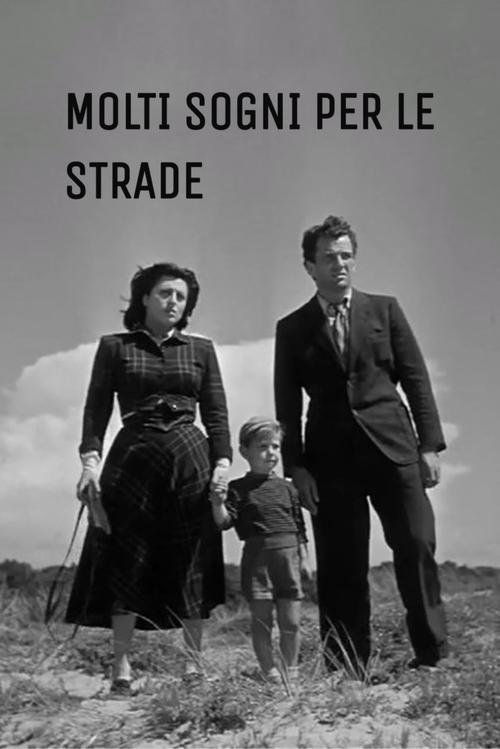
Woman Trouble
1948
No user ratings available yet
Representation score: 1.1 out of 10
Representation Score
Minimal
1943
Director
Mario Mattoli
Runtime
86 minutes
Average Rating
No ratings yetNew Showbiz Analysis
The film functions as a study of class and technological transition rather than a vehicle for progressive social reconfiguration. It captures the friction between traditionalist modes of existence and the encroachment of modernization in urban life during mid-century Italy. While the story provides a window into the displacement caused by industrial progress, it lacks intentional representation of multiple aspects of identity. The narrative primarily explores shifting social hierarchies through the lens of labor rather than identity-based disruption. Ultimately, the work reflects the social constraints and traditional hierarchies of its era, focusing on the obsolescence of the coachman in a rapidly changing world.
Category Breakdown
The film follows a conventional romantic relationship between Nannarella and Roberto. There is no critique of the assumption that everyone is straight or cisgender.
Toto maintains a patriarchal authority over his daughter's social role. However, Mary Dunchetti's professional status as a singer suggests a character operating outside traditional domestic roles.
Set in 1943 Rome, the story focuses on a homogeneous social group. The plot lacks racial diversity or non-European perspectives in its main cast.
The narrative explores the tension between cultural change and technological advancement. It centers on the displacement of traditional labor by modern transportation.
There are no visible or invisible disabilities integrated into the character arcs or plot drivers.
Present on Screen
Limited or Absent
Official Synopsis
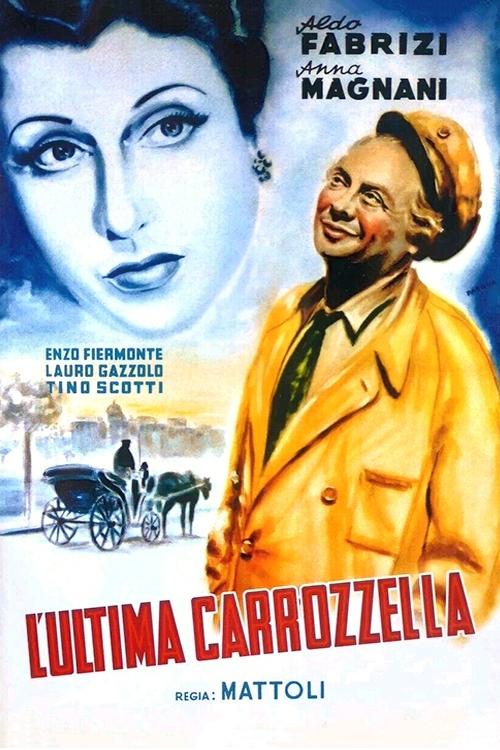
Toto (Aldo Fabrizi), a Roman coachman with an old fashioned horse-drawn carriage who objects to the competition from motorised taxis, doesn't want his daughter Nannarella to go out with Roberto, a young taxi driver. But it is Roberto who helps him when he gets into trouble with a former client, Mary Dunchetti (Anna Magnani), an arrogant singer.
1948

1952

1983
1950
1954
1963

1950
1950
No reviews yet. Be the first to share your thoughts on this movie!
Use the rating form above to leave a star rating and optional review.