
Corpse for the Lady
1964
No user ratings available yet
Diversity score: 3.8 out of 10

1953
Director
Mario Mattoli
Runtime
91 minutes
Average Rating
No ratings yetSynopsis
Anna was the maid of a lady who inherited an apartment in a building in the center of Rome.
Overall Score
Limited
Category Breakdown
LGBTQ+ Representation
The film offers no evidence of non-cisnormative gender identities or same-sex intimacy. It appears to follow the heteronormative cinematic conventions typical of 1950s Italy.
Gender Representation
Women are central to the story, featuring a maid and her employer. However, these roles reinforce traditional class and gendered hierarchies rather than subverting them.
Racial & Ethnic Diversity
The setting in central Rome suggests a demographic homogeneity common to the era. There is no indication of a multi-ethnic cast or racial intersectionality.
Religious & Cultural Diversity
The narrative explores communal living and class tension within urban capitalism. It likely adheres to the traditional social and moral frameworks of mid-century Italy.
Disability Representation
There is no documented evidence regarding the inclusion of characters with physical or neurodivergent disabilities.
Strengths
Areas for Improvement
AI Analysis
Siamo tutti inquilini is a period-specific social comedy that centers on domestic dynamics in post-war Rome. While the plot focuses on female characters, it operates within the rigid social structures of its time. The film lacks the narrative architecture to present intersectional identities or disrupt established hierarchies. It functions primarily as a study of class stratification through the relationship between a domestic worker and her employer. Ultimately, the work reflects the demographic and social constraints of 1953 Italian cinema, prioritizing localized socio-economic distinctions over diverse representation.
1964

1960

1968

1954

2000

2013

2005

1967

1953
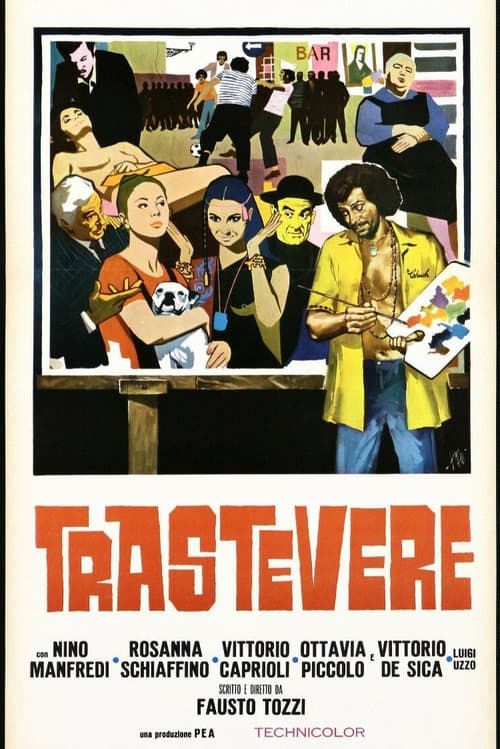
1971

1967

2005
No reviews yet. Be the first to share your thoughts on this movie!
Use the rating form above to leave a star rating and optional review.