
Totò Looking for Wife
1950
No user ratings available yet
Representation score: 2.4 out of 10

Representation Score
Minimal
1954
Director
Mario Mattoli
Runtime
87 minutes
Average Rating
No ratings yetNew Showbiz Analysis
Totò Seeks Peace is a typical mid-century Italian comedy that centers on situational humor and traditional comedic structures. The narrative revolves around the domestic struggles of widowers, maintaining a focus on the social hierarchies of the 1950s. The film does not make significant efforts to diversify its cast or challenge the era's gender and racial norms. It serves as a platform for comedic performances within a narrow cultural framework, lacking broader representation.
Category Breakdown
The film does not include any LGBTQ+ characters or narratives. It focuses on traditional family structures without any queer subtext or critiques of the assumption that everyone is straight.
The main roles are held by male characters, particularly the widowers. The film follows mid-century social norms where women do not drive the plot.
The cast is primarily white and Italian, reflecting the demographics of post-WWII Italy. There is no evidence of racially diverse casting.
The story emphasizes traditional Western family structures like the nuclear family. It operates within conventional moral frameworks without challenging underlying societal structures.
Physical comedy and slapstick humor are used for situational jokes. There is no portrayal of characters with disabilities having meaningful roles or nuanced presentations.
Present on Screen
Limited or Absent
Official Synopsis
Two widowers decide to get married but their decision is continually hampered by their grandchildren, who are just interested in their inheritance.
1950
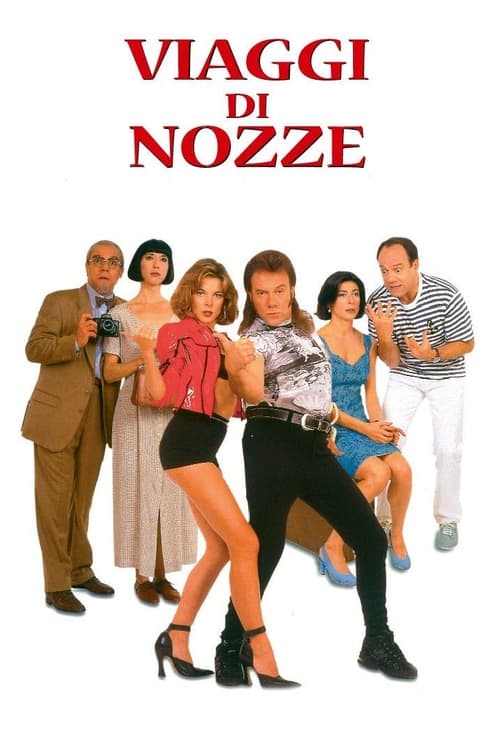
1995
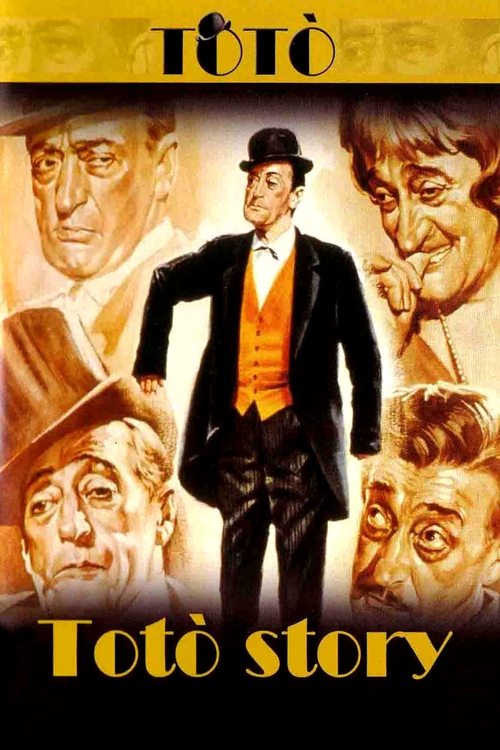
1968

1952
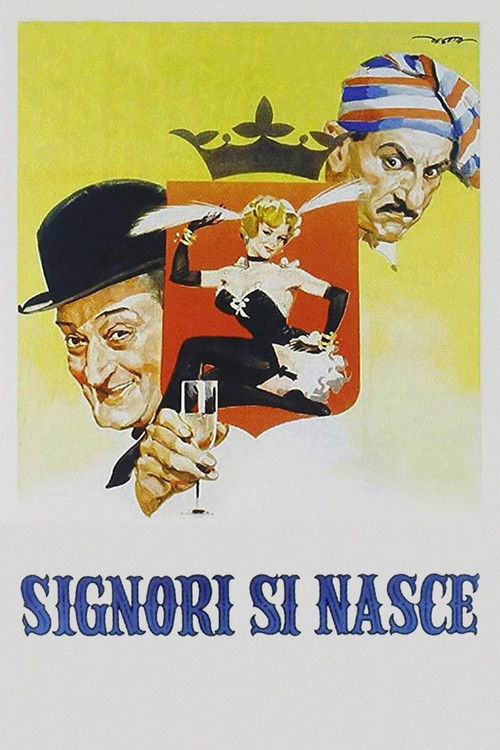
1960
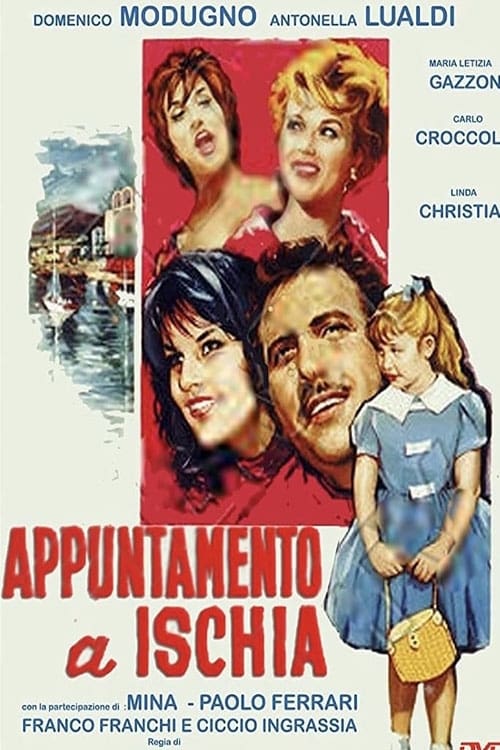
1960
1981
1968
No reviews yet. Be the first to share your thoughts on this movie!
Use the rating form above to leave a star rating and optional review.