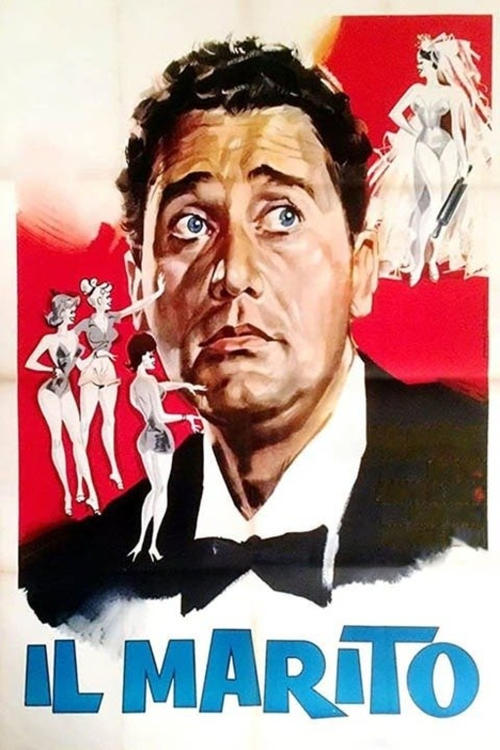
Il marito
1958
No user ratings available yet
Representation score: 1.9 out of 10
Representation Score
Minimal
1959
Director
Dino Risi
Runtime
87 minutes
Average Rating
No ratings yetNew Showbiz Analysis
Dino Risi’s comedy is a quintessential product of the *commedia all'italiana* movement, focusing on the hypocrisies of the Italian bourgeoisie. While it offers sharp social satire regarding class and status, it remains firmly rooted in the era's established social hierarchies. The film lacks intentionality regarding the representation of diverse groups. It functions as a period piece that mirrors the social structures of 1959 rather than challenging them through a modern lens. Ultimately, the narrative prioritizes individual struggles with romantic pursuits and social climbing over addressing systemic oppression or including diverse identities.
Category Breakdown
The film follows a traditional framework that assumes everyone is straight. The story centers around the protagonist's pursuit of romantic interests within a conventional heterosexual relationship.
Gender power dynamics are complex but traditional. Female characters like Elvira have economic power but mainly serve as catalysts for the male protagonist's social interactions.
The cast is homogeneous, reflecting the historical context of 1959 Italy. The film lacks racial or ethnic diversity, focusing on a white, Italian social stratum.
The story examines mid-century Italian social customs and capitalist structures. It offers satire on the bourgeoisie without questioning traditional Western institutions.
There is no significant evidence regarding the portrayal of visible or invisible disabilities within the film's narrative.
Present on Screen
Limited or Absent
Official Synopsis
Alberto Nardi is a Roman businessman who fancies himself a man of great capabilities, but whose factory teeters perennially on the brink of catastrophe. Alberto is married to a rich and successful businesswoman from Milan, Elvira Almiraghi who has a no-nonsense attitude and barely tolerates the attempts of her husband to keep his factory afloat with her money.
1958
1975

1965
1983
1987
1976
1963

1966
No reviews yet. Be the first to share your thoughts on this movie!
Use the rating form above to leave a star rating and optional review.