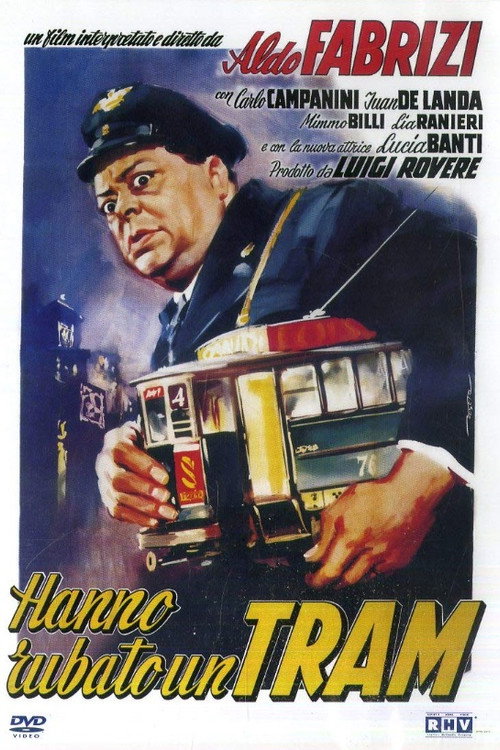
They Stole a Tram
1954
No user ratings available yet
Representation score: 1.1 out of 10
Representation Score
Minimal
1960
Director
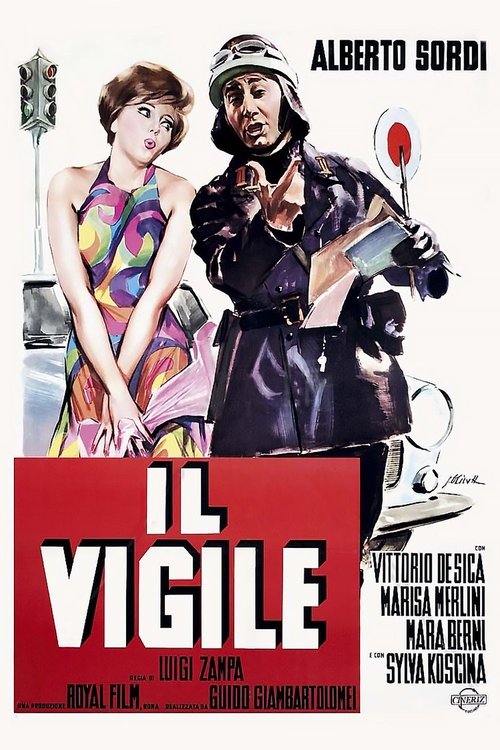
Luigi Zampa
Runtime
104 minutes
Average Rating
No ratings yetNew Showbiz Analysis
Luigi Zampa’s comedy serves as a localized social satire rather than a diverse character study. It focuses on the deconstruction of institutional authority and the conflict between legal ideals and social realities. While the film lacks modern identity-based representation, it excels in its cultural critique. Ultimately, the film reflects the social structures of mid-century Italy without a focus on multicultural or inclusive narratives.
Category Breakdown
The film does not include any LGBTQ+ characters or situations involving non-straight relationships.
Gender roles adhere to traditional 1960s norms. Men are portrayed as the primary drivers of the plot, while women have smaller roles and less influence over the story.
The cast is mostly made up of people from similar backgrounds, reflecting the urban environment of post-war Italy. There is no indication of diverse ethnic or cultural backgrounds.
The film offers a sophisticated critique of institutions through satire, highlighting the tension between formal state structures and personal ethics.
There are no significant portrayals of disabilities, either visible or invisible. No character's journey is shaped by physical or mental impairments.
Present on Screen
Limited or Absent
Official Synopsis
An unemployed man gets a job as traffic policeman but the traffic in the big city creates innumerous problems for the poor guy.
1954
1976
1953
1983

1957
1948
1952
1981
No reviews yet. Be the first to share your thoughts on this movie!
Use the rating form above to leave a star rating and optional review.