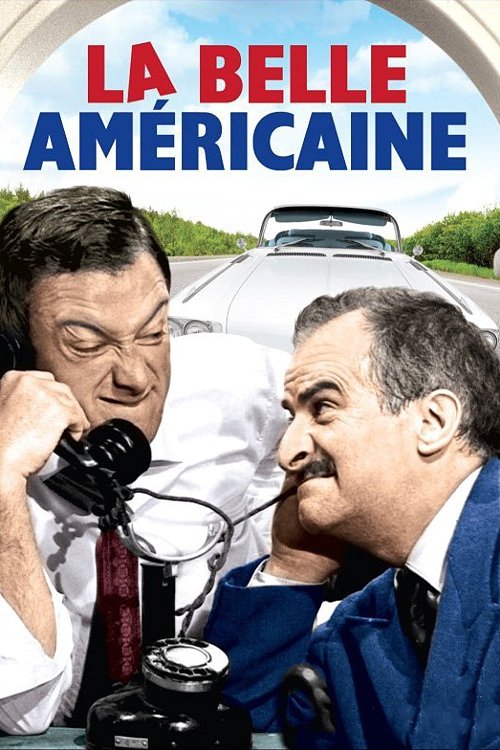
The American Beauty
1961
No user ratings available yet
Representation score: 0.4 out of 10
Representation Score
Limited
1962
Director
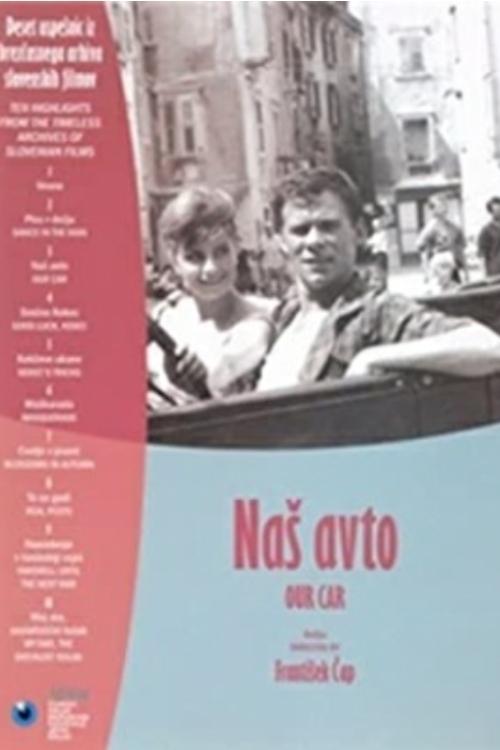
František Čáp
Runtime
95 minutes
Average Rating
No ratings yetNew Showbiz Analysis
Our Car is a social comedy set in 1960s Czechoslovakia, offering a critique of consumerist aspirations. It highlights the tension between personal desires and socioeconomic constraints through a malfunctioning Western car. The film focuses on a homogeneous cast and traditional social structures, lacking representation of LGBTQ+ identities, diverse ethnicities, or disabilities. Its value lies in its commentary on status symbols and communal social standing, reflecting the specific historical and geographic context of the time.
Category Breakdown
The film reflects the social structures of 1960s Czechoslovakia, where there is no evidence of LGBTQ+ narratives or non-straight relationships.
The story focuses on a male photographer's professional struggles and his impact on his family. It does not challenge traditional gender roles.
The cast and setting reflect the ethnic homogeneity of early 1960s Czechoslovakia. The story does not address diverse ethnic backgrounds or multiple aspects of identity.
The film critiques materialism by showing the negative consequences of pursuing Western consumer goods. It emphasizes the importance of community and shared experiences over individual consumption.
There is no evidence of characters with visible or invisible disabilities playing a central role in the plot.
Present on Screen
Limited or Absent
Official Synopsis
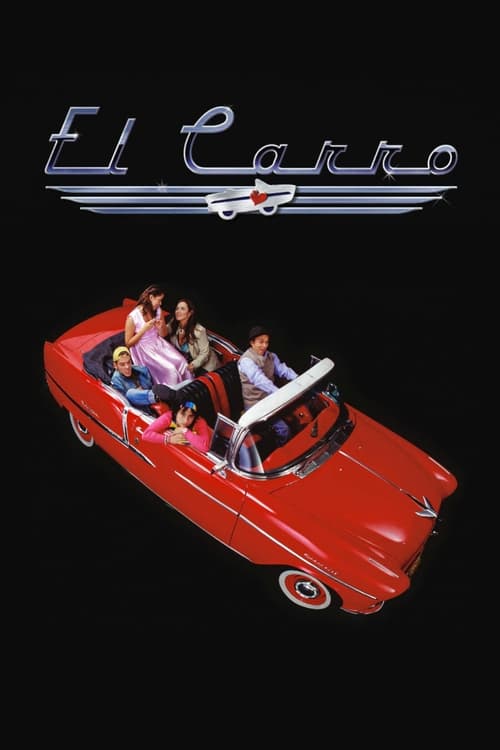
A photographer decides to buy a car with the money he'll get for his prizewinning photo, but the postman brings only a diploma instead of money. Being subjected to the ridicule of their neighbors, his family decides to buy an used Buick, in spite of being against it at first. That would turn out to be a huge mistake, since the breakdowns are more often that they can afford.
1961
1971
1979
1983
1951
1934
1931
2003
No reviews yet. Be the first to share your thoughts on this movie!
Use the rating form above to leave a star rating and optional review.