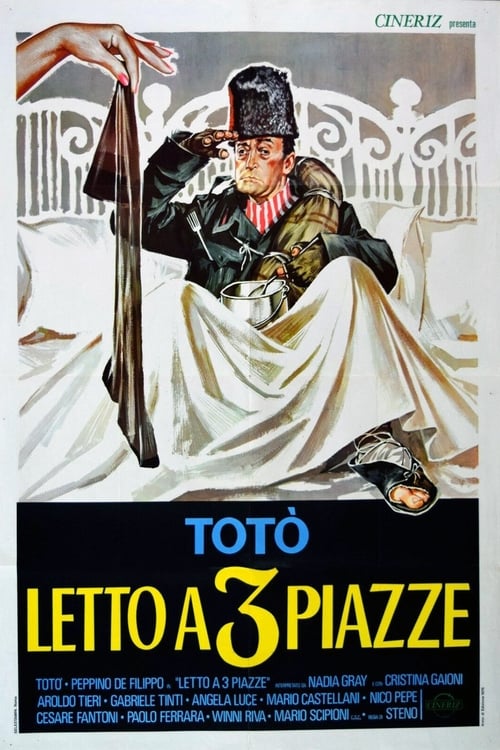
Letto a tre piazze
1960
No user ratings available yet
Diversity score: 2.6 out of 10
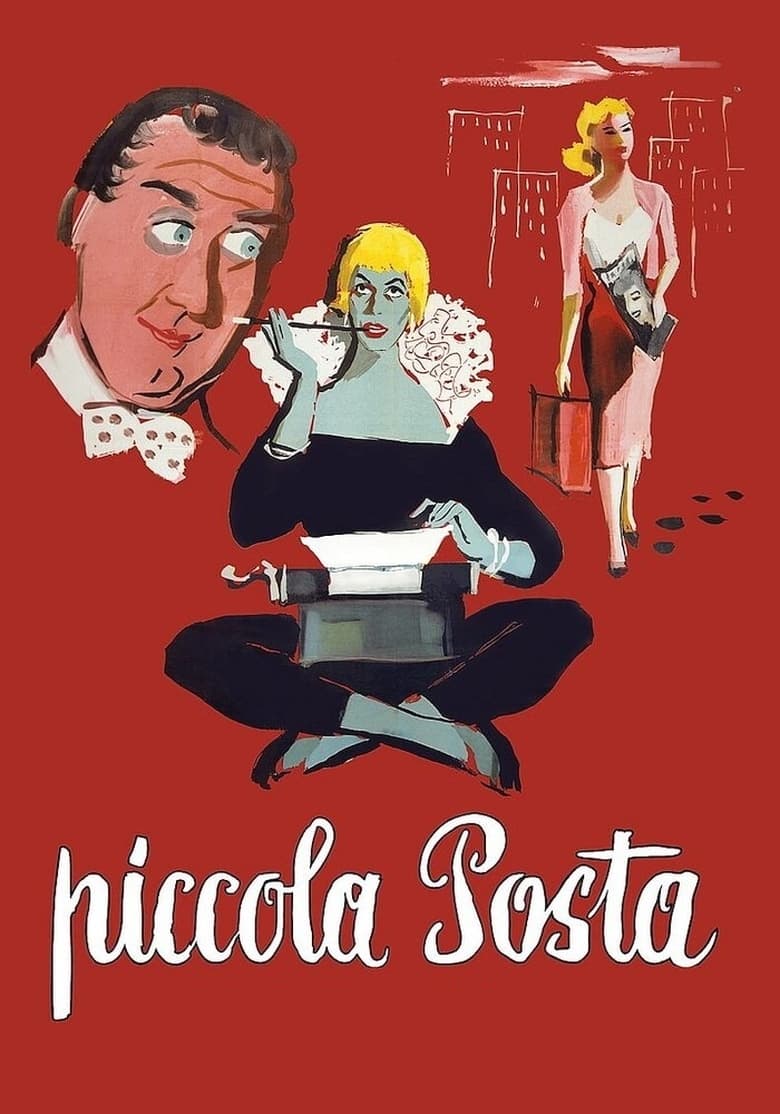
1955
Director
Steno
Runtime
95 minutes
Average Rating
No ratings yetSynopsis
Polish countess Lady Eva is the authoritative signature of the correspondence of an Italian women's magazine; behind the fascinating name hides a Roman girl whose advice will create a series of tangled and comic situations.
Overall Score
Limited
Category Breakdown
LGBTQ+ Representation
The film operates within the conventional social frameworks of 1950s Italy. There is no evidence of non-heteronormative identities or narratives that critique heteronormativity.
Gender Representation
The narrative centers on female agency through the protagonist's ability to manipulate social structures via her persona. While she demonstrates intellectual agency, the depiction remains tethered to mid-century gender hierarchies.
Racial & Ethnic Diversity
This localized production focuses on internal Italian socioeconomic stratification. There is no evidence of a non-Anglo-Saxon majority cast or intentional color-blind casting.
Religious & Cultural Diversity
The film uses small-scale deception to explore survival within systemic economic difficulties. It functions as a character study of the working class rather than an explicit ideological critique.
Disability Representation
There is no documented evidence of characters with visible or invisible disabilities being integrated into the narrative or utilized as central plot devices.
Strengths
Areas for Improvement
AI Analysis
Piccola posta is a period-specific social comedy that prioritizes domestic and class-based narratives. While the protagonist displays a level of intellectual agency by managing a public identity, the film lacks the structural diversity or non-traditional identity depictions found in more progressive works. The film's scope is narrow, focusing on the localized socioeconomic realities of post-war Italy. It explores the economic pressures of the working class through a lens of moral relativism, yet it does not disrupt broader cultural or identity-based hierarchies. Ultimately, the production remains within the traditional bounds of its era, offering a character study of survival rather than a diverse or intersectional exploration of identity.
1960

1978
1980
1956
1957

1956

1959

1940
1954

1974
1967

1952
No reviews yet. Be the first to share your thoughts on this movie!
Use the rating form above to leave a star rating and optional review.