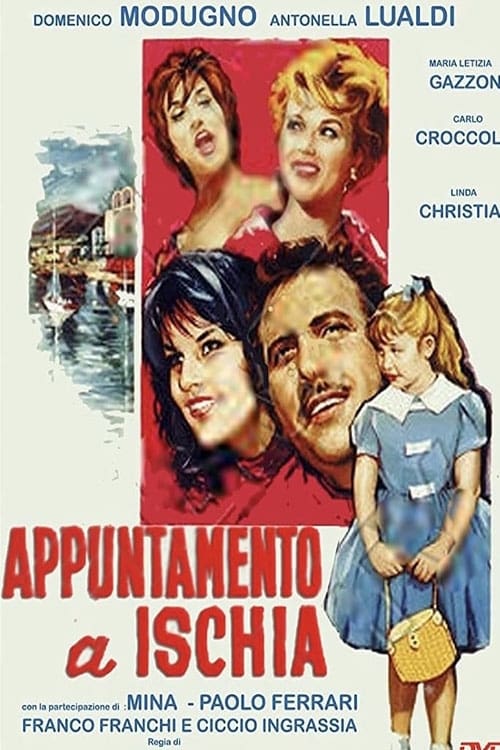
Appointment in Ischia
1960
No user ratings available yet
Representation score: 2.9 out of 10
Representation Score
Limited
1968
Director
Mario Mattoli
Runtime
0 minutes
Average Rating
No ratings yetNew Showbiz Analysis
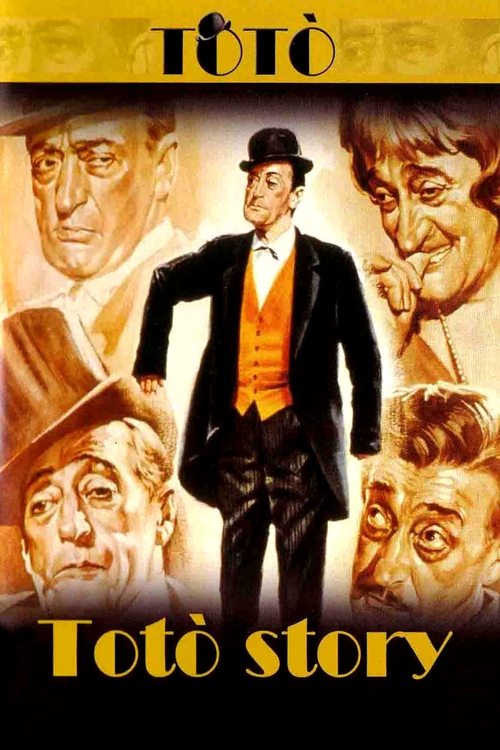
Totò Story functions as a retrospective celebration of a comedic icon rather than a unified piece of progressive storytelling. Since it is an anthology of clips from previous works, its representation depends on the specific films included. The film serves as a historical archive of traditional comedic clichés. It lacks the intentionality needed to disrupt social expectations or provide meaningful characters who reflect more than one aspect of diversity. Ultimately, the work reinforces the cultural norms of the 1960s rather than attempting to subvert them through modern narrative lenses.
Category Breakdown
The film follows the straight-centered social norms of 1960s Italian comedy. There is no indication of diverse sexual orientations or gender identities, nor does it challenge traditional social roles.
Gender roles tend to follow conventional hierarchies through traditional character types. While Totò's characters occasionally mock rigid masculinity through humor, the overall structure does not challenge these norms.
Casting primarily features actors from a homogeneous ethnic background, reflecting the demographics of mid-century Italy. The film focuses on Italian social archetypes without much multi-layered racial diversity.
The work is deeply rooted in traditional Italian cultural traditions. It portrays struggles against bureaucracy through classic comedic lenses without explicitly critiquing Western institutions.
Physical comedy is central to the slapstick style. Characters with physical eccentricities may appear, but they often serve as comedic devices rather than nuanced representations of disability.
Present on Screen
Limited or Absent
Official Synopsis
A hilarious anthology of scenes from some of the most famous films starring the great Totò, the prince of Italian comedy.
1960

1980
1967
1981
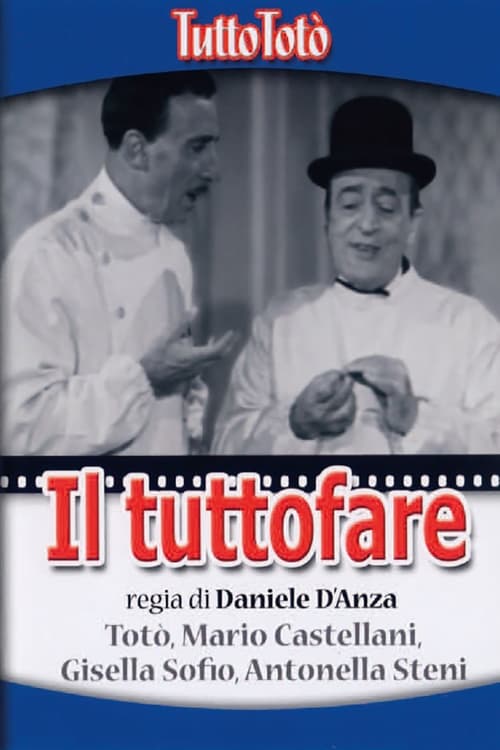
1967

1967
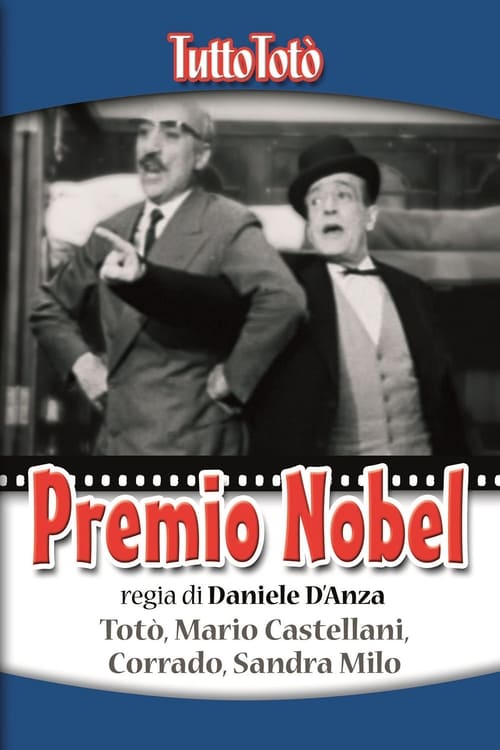
1967
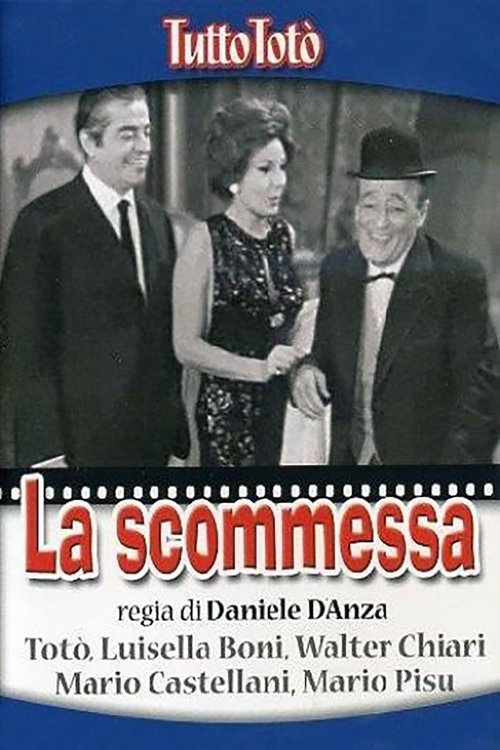
1967
No reviews yet. Be the first to share your thoughts on this movie!
Use the rating form above to leave a star rating and optional review.