Call of the Klondike
1950
No user ratings available yet
Diversity score: 2.9 out of 10
1951
ApprovedDirector
Frank McDonald
Runtime
61 minutes
Average Rating
No ratings yetSynopsis
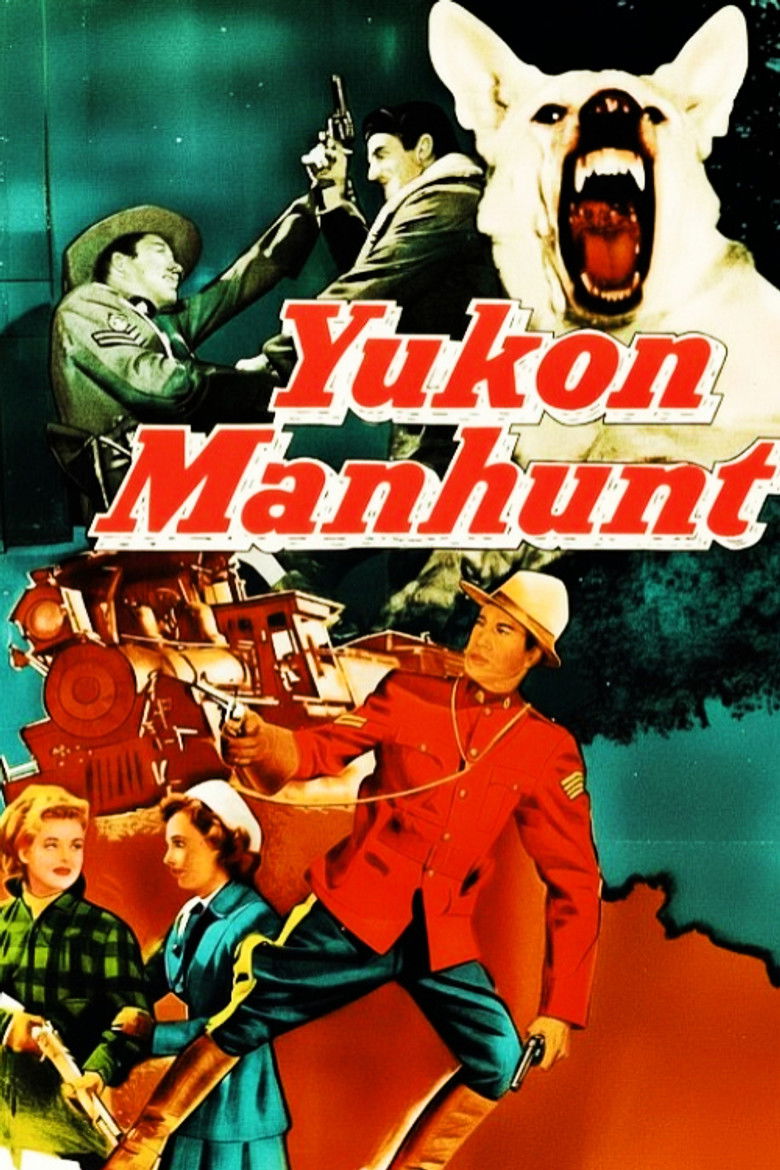
In this North Woods adventure, the Mounties investigate a series of payroll robberies and discover that it is an inside job.
Overall Score
Limited
Category Breakdown
LGBTQ+ Representation
The film lacks LGBTQ+ characters or non-heteronormative narratives. It operates within the strict cinematic constraints of 1951, prioritizing traditional social structures.
Gender Representation
The narrative centers on male authority figures and law enforcement. Female characters appear to be relegated to secondary roles, reinforcing traditional gender hierarchies.
Racial & Ethnic Diversity
The cast likely reflects the demographic homogeneity common to mid-century Westerns. There is little evidence of diverse racial agency or intersectional casting.
Religious & Cultural Diversity
The story reinforces the legitimacy of state authority and established social institutions. It follows a conventional moral framework of lawful protagonists versus criminals.
Disability Representation
There is no evidence of characters with visible or invisible disabilities. The film does not provide meaningful portrayals of disability.
Strengths
Areas for Improvement
AI Analysis
Yukon Manhunt is a standard mid-century procedural adventure that adheres strictly to the genre conventions of its era. The film functions as a traditional Western, focusing on the authority of the Mounties and the investigation of payroll robberies. Because the narrative prioritizes institutional law and order, it lacks the complexity needed to challenge social hierarchies. The characters and themes reflect the demographic and social homogeneity typical of 1951 studio filmmaking. Ultimately, the film serves as a representative example of its time, reinforcing established norms rather than attempting to disrupt them through diverse representation or moral relativism.
1950
1951
1954

1952
1950
1953
1962
1968
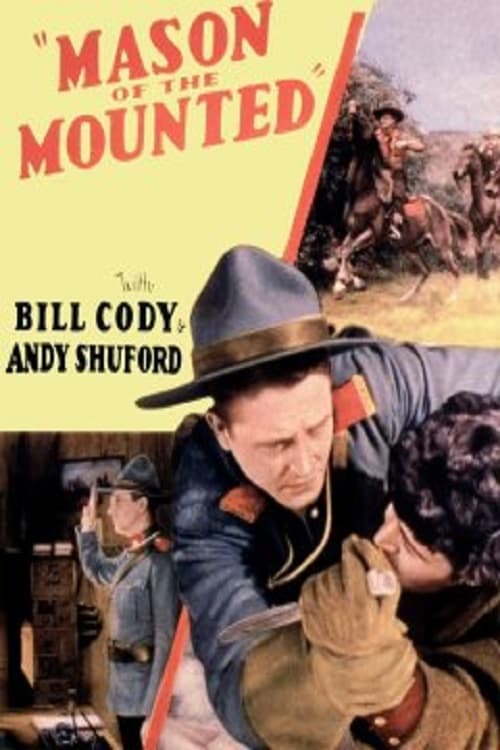
1932
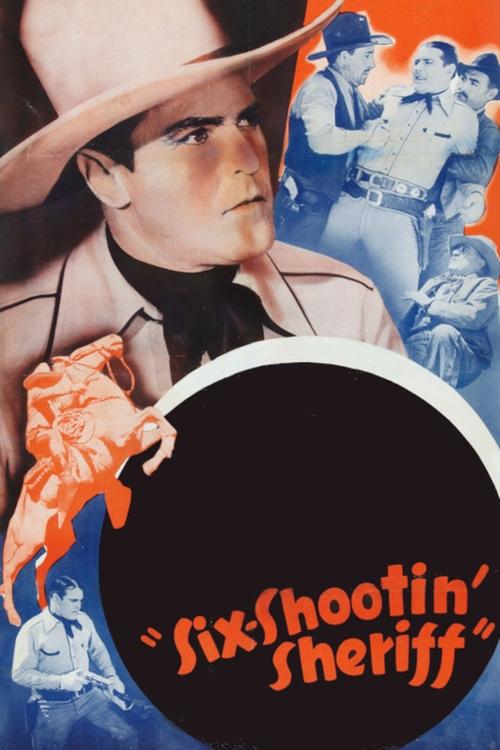
1938
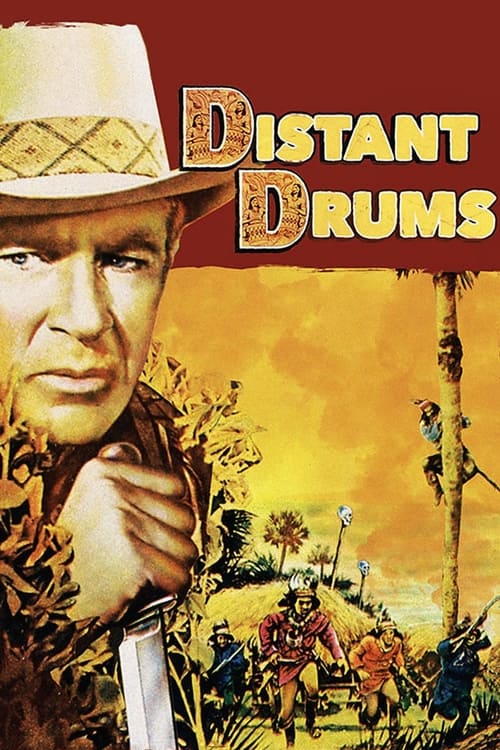
1951
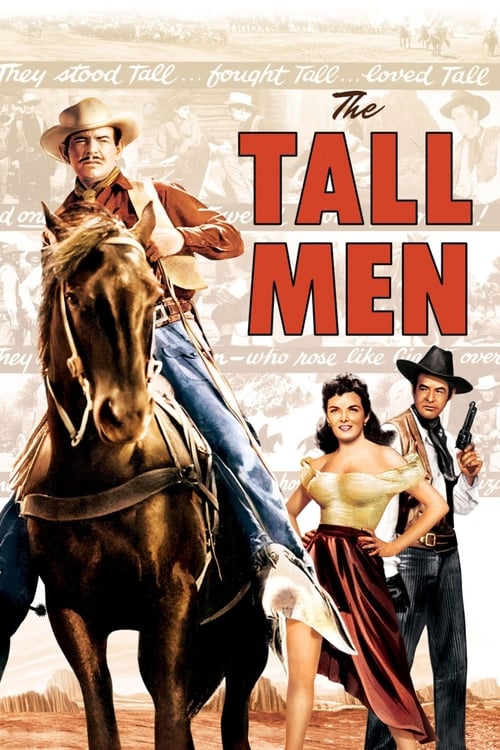
1955
No reviews yet. Be the first to share your thoughts on this movie!
Use the rating form above to leave a star rating and optional review.