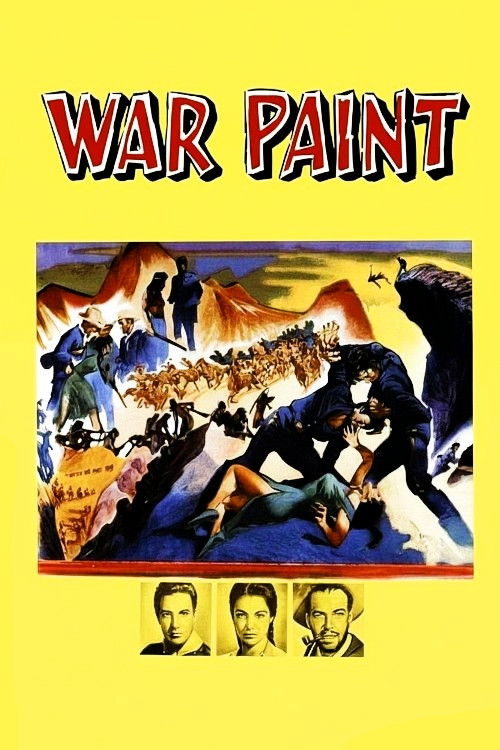
War Paint
1953
No user ratings available yet
Representation score: 1.0 out of 10
Representation Score
Minimal
1951
NRDirector
Raoul Walsh
Runtime
101 minutes
Average Rating
No ratings yetNew Showbiz Analysis
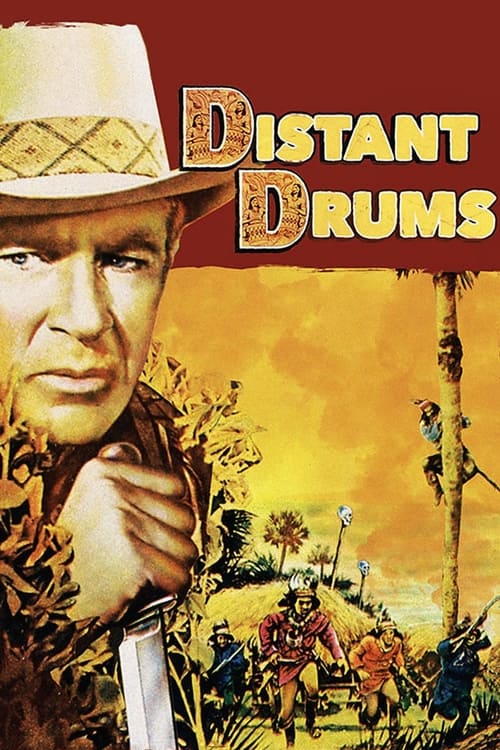
Distant Drums is a classic survivalist adventure that adheres to mid-century cinematic conventions. The narrative structure reinforces traditional social hierarchies rather than challenging them, focusing on preserving the status quo. The film prioritizes the competence of a traditional masculine hero and views the environment and indigenous populations as external threats. This results in a story that lacks complexity and nuanced perspectives. Ultimately, the work functions as a traditional Western that emphasizes masculine leadership and frontier justice, reflecting the conservative norms of the 1950s.
Category Breakdown
The film focuses on straight and cisgender relationships, with no characters representing LGBTQ+ identities or exploring non-straight relationships.
Male characters take the lead in driving the plot, while female characters are shown reacting to events and rarely have control over their own stories.
The cast is mainly white, and Native American characters are portrayed as obstacles to the main characters' survival.
The film upholds traditional Western values, emphasizing rugged individualism and the necessity of violence for protection without questioning established authority.
There are no characters with visible or invisible disabilities playing significant roles in the story.
Present on Screen
Limited or Absent
Official Synopsis
After destroying a Seminole fort, American soldiers and their rescued companions must face the dangerous Everglades and hostile Indians in order to reach safety
1953
1943
1955

1930
1954
1939
1951
1965
No reviews yet. Be the first to share your thoughts on this movie!
Use the rating form above to leave a star rating and optional review.