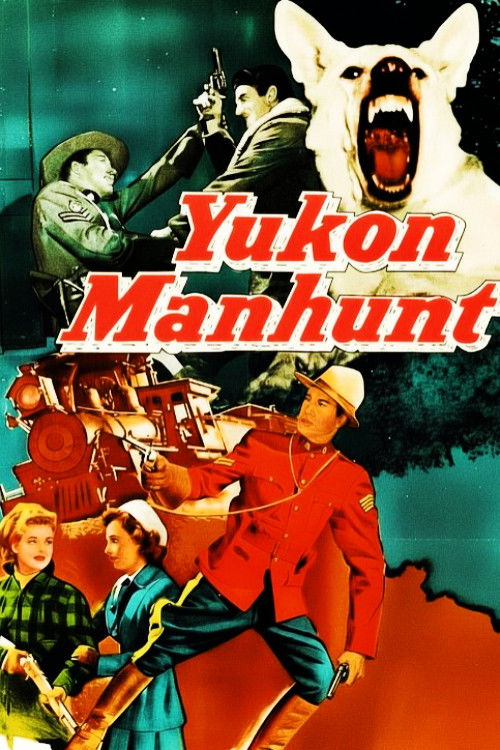
Yukon Manhunt
1951
No user ratings available yet
Representation score: 1.7 out of 10
Representation Score
Minimal
1951
ApprovedDirector
Frank McDonald
Runtime
61 minutes
Average Rating
No ratings yetNew Showbiz Analysis
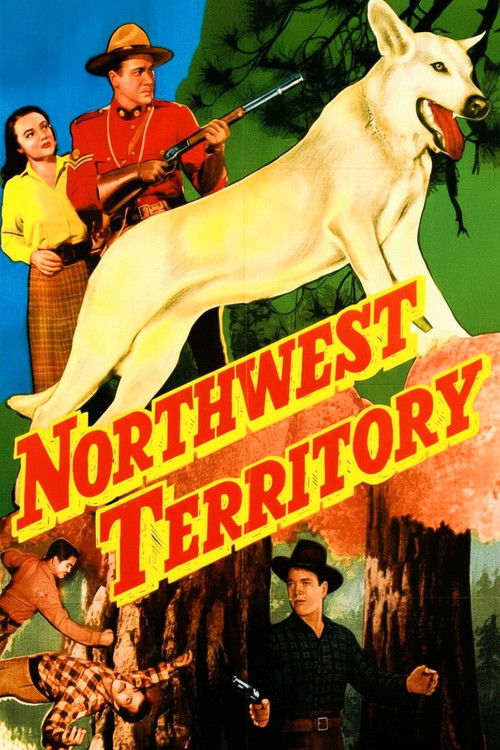
Northwest Territory functions as a standard genre piece that reinforces the social and racial hierarchies of its time. The narrative structure supports the historical mythos of Western expansion, offering little deviation from mid-century cinematic norms. The film lacks intentionality regarding diverse representation. Instead, it presents a stable, traditional model of frontier leadership and social order that aligns with the prevailing studio system of the 1950s. Ultimately, the work serves as a reflection of the era's status quo, prioritizing settler-centric values and conventional character archetypes over nuanced or subversive storytelling.
Category Breakdown
The film does not include any identifiable LGBTQ+ characters or narratives. It follows the straight-centered romantic expectations typical of 1950s Westerns.
Leadership and physical roles are predominantly held by male characters. Female characters are confined to domestic or supportive roles, reinforcing traditional gender hierarchies.
Native American characters appear through conventional era clichés, often serving as obstacles to the settler narrative. The plot prioritizes the settler experience over complex indigenous roles.
The story emphasizes the necessity of settlement and the establishment of pioneer institutions. It reinforces the perceived legitimacy of frontier expansion and traditional social structures.
There is no evidence of characters with visible or invisible disabilities serving as central plot drivers or being subjected to narrative mockery.
Present on Screen
Limited or Absent
Official Synopsis
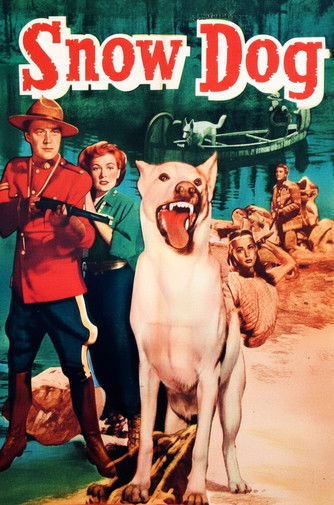
Wilderness adventure starring Kirby Grant and Chinook.
1951

1971
1954
1952
1951
1930
1950
1950
No reviews yet. Be the first to share your thoughts on this movie!
Use the rating form above to leave a star rating and optional review.