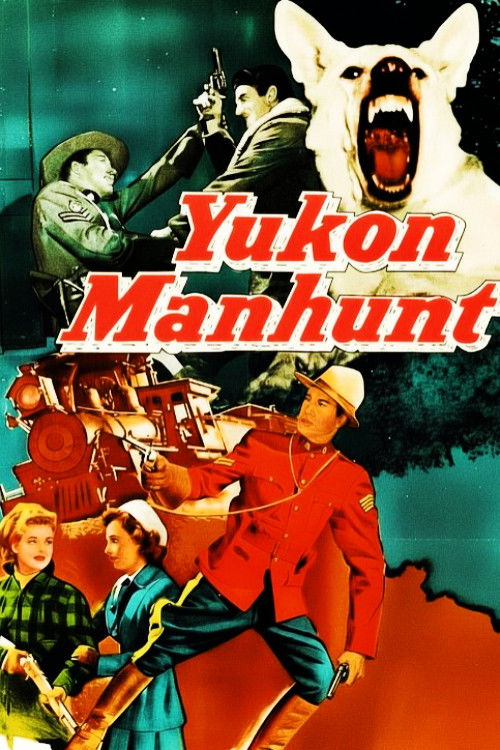
Yukon Manhunt
1951
No user ratings available yet
Representation score: 1.7 out of 10
Representation Score
Minimal
1950
ApprovedDirector
Frank McDonald
Runtime
67 minutes
Average Rating
No ratings yetNew Showbiz Analysis
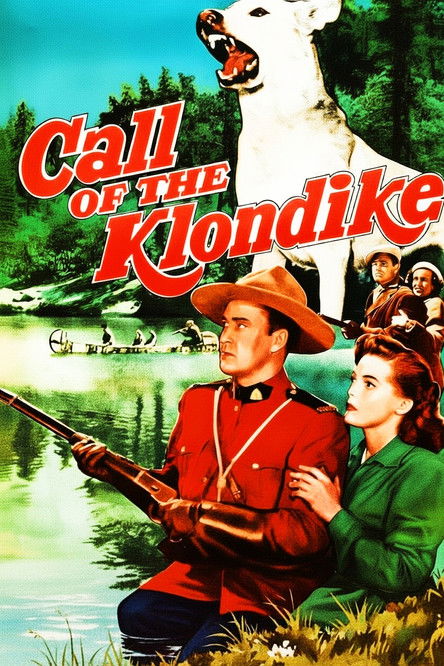
Call of the Klondike is a conventional mid-century Western that focuses on genre clichés rather than social complexity. The film centers on the pursuit of gold and the maintenance of law and order. Male characters dominate the narrative, while female characters are confined to supporting roles. The film reflects the era's homogeneous casting practices, lacking racial or cultural diversity. Overall, the film upholds traditional social and institutional hierarchies, presenting a straightforward depiction of frontier justice without challenging the status quo.
Category Breakdown
The film follows the traditional norms of mid-century society, where LGBTQ+ identities and same-sex relationships are not represented.
Male characters play key roles in the film, while female characters are limited to supporting roles and follow traditional gender stereotypes.
The cast predominantly features actors from similar backgrounds, reflecting the homogeneity typical of 1950s Hollywood. The story focuses on a Western perspective without much racial diversity.
The narrative emphasizes traditional values and capitalist ambitions. It presents conflicts through a black-and-white moral framework of justice versus crime and state authority.
The film does not include any characters with physical disabilities or neurodivergence. Disability is not a factor in the story’s development.
Present on Screen
Limited or Absent
Official Synopsis
A brother and sister are running a phony gold mine scam in the Klondike, which leads to murder. A Canadian Mountie sets out to bring them to justice.
1951
1962
1954
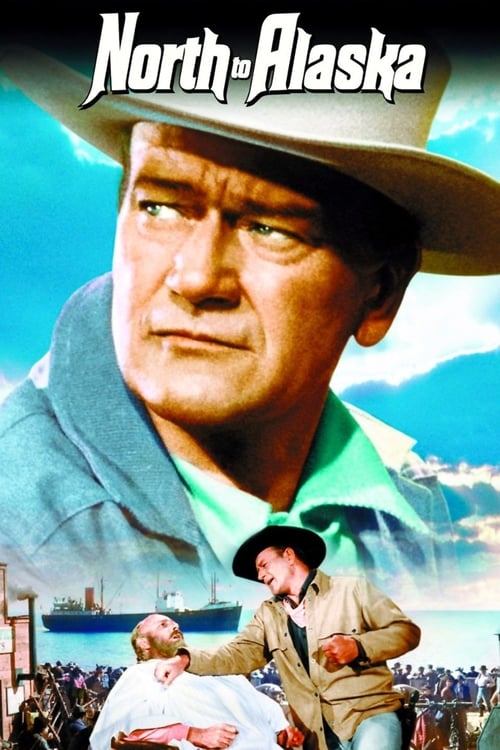
1960
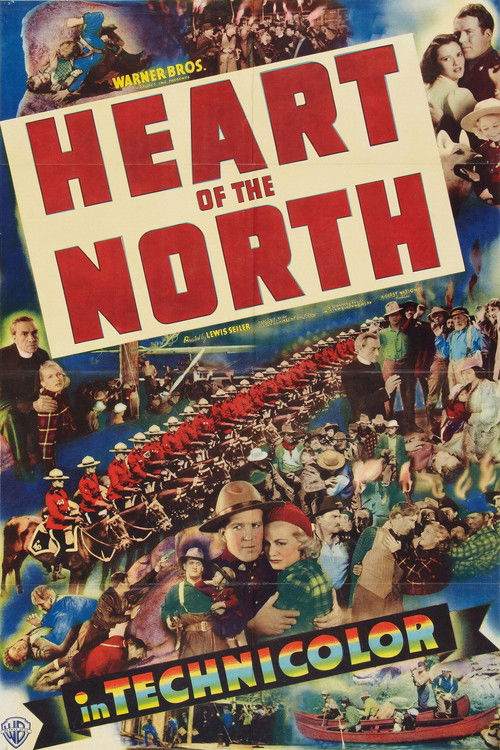
1938
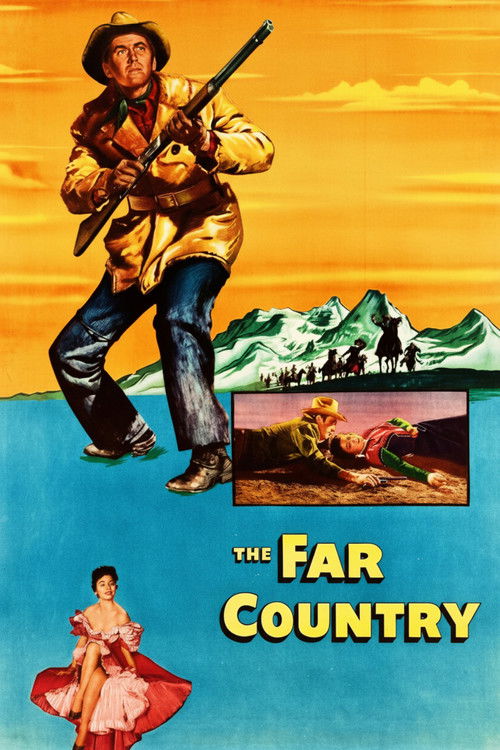
1954
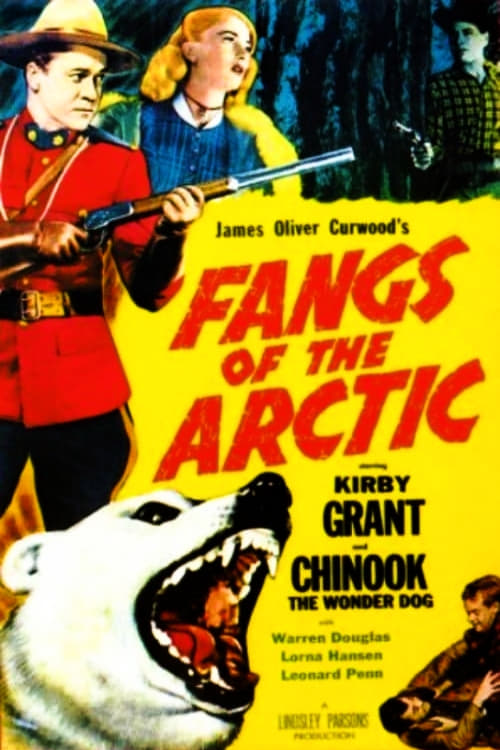
1953
1963
No reviews yet. Be the first to share your thoughts on this movie!
Use the rating form above to leave a star rating and optional review.