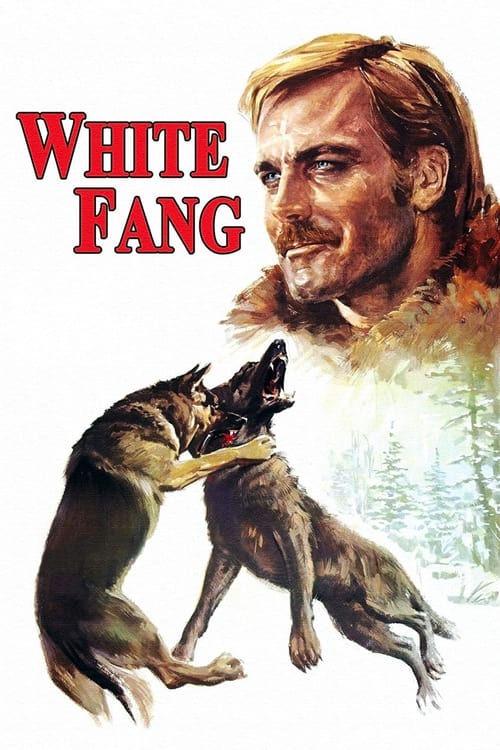
White Fang
1973
No user ratings available yet
Representation score: 2.5 out of 10
Representation Score
Minimal
1950
PassedDirector
Frank McDonald
Runtime
63 minutes
Average Rating
No ratings yetNew Showbiz Analysis
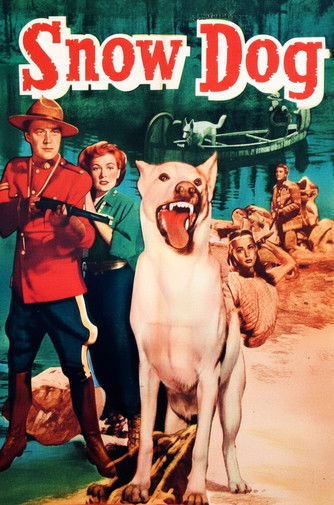
Snow Dog is a mid-century adventure film that prioritizes survivalist themes and the enforcement of law over social complexity. The narrative centers on the rugged individualism of the Canadian Royal Mounted Police and the bond between man and animal. The film reinforces the 1950s status quo, avoiding nuanced identity politics. Instead, it focuses on a moral binary where the lawman represents order against the chaos of nature. Ultimately, the production adheres to traditional hierarchies, celebrating masculine competence and institutional authority within a frontier setting, offering little room for diverse or characters who reflect more than one aspect of diversity.
Category Breakdown
The film does not depict any non-straight relationships or identities. The story focuses on the traditional bond between the lawman and his dog.
The narrative emphasizes masculine roles, with male characters driving the plot through physical labor and law enforcement. There are no strong female roles or subversions of gender norms.
The cast appears uniform, reflecting typical 1950s adventure movies. The wilderness setting highlights adventure without showcasing diverse ethnic perspectives.
The story upholds Western values and the authority of the Royal Mounted Police. It celebrates frontier justice and the stability of established law and order.
There are no depictions of visible or invisible disabilities. Characters are defined solely by their physical abilities needed for survival in a harsh environment.
Present on Screen
Limited or Absent
Official Synopsis
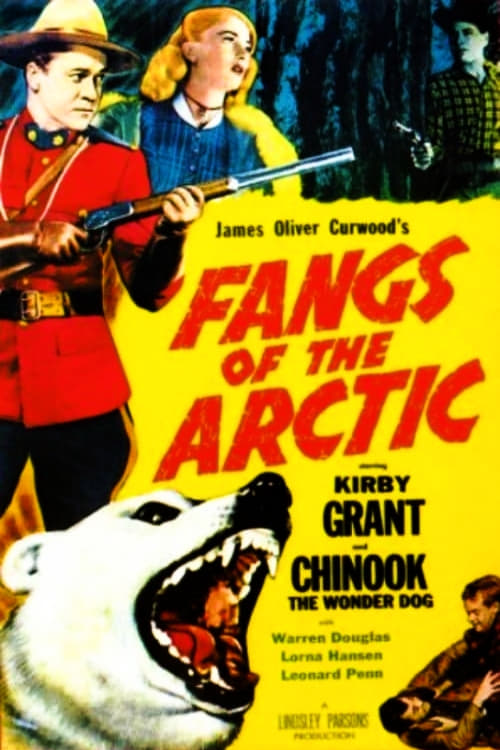
The third installment in low-budget producer Lindsley Parson's "Chinook" series, Snow Dog was ostensibly based on pulp writer James Oliver Curwood's 1915 short-story "The Tentacles of the North," which was also the working title. Kirby Grant again played Rod McDonald of the Canadian Royal Mounted, and once again the vehicle was stolen by his canine sidekick, the white malamute Chinook. This time, Rod and Chinook are tracking a mysterious white wolf, thought to have killed several of the local traders.
1973
1957
1974
1981
1951
1991
1953
1975
No reviews yet. Be the first to share your thoughts on this movie!
Use the rating form above to leave a star rating and optional review.