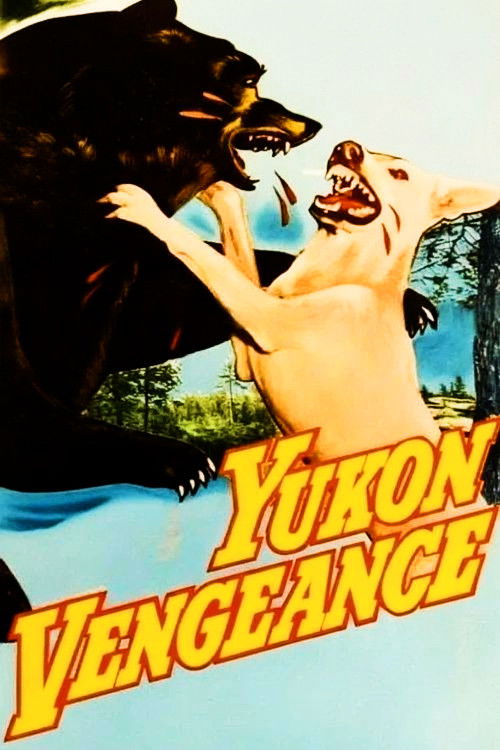
Yukon Vengeance
1954
No user ratings available yet
Representation score: 0.6 out of 10
Representation Score
Minimal
1953
ApprovedDirector
Rex Bailey
Runtime
62 minutes
Average Rating
No ratings yetNew Showbiz Analysis
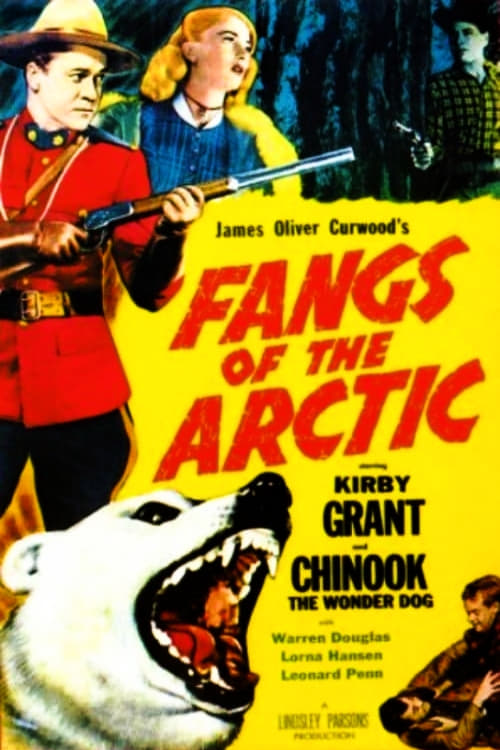
Fangs of the Arctic is a conventional mid-century adventure that prioritizes well-established genre conventions. The narrative structure emphasizes institutional authority and the restoration of order within a frontier setting. The film relies on traditional masculine archetypes and colonial-era dynamics. It lacks the complexity and subversion of social hierarchies needed for a more progressive score. Ultimately, the production reflects the social norms of 1950s cinema, emphasizing law enforcement and state-driven justice.
Category Breakdown
The film does not include any visible representation of LGBTQ+ identities. It follows the strict social norms typical of 1950s cinema.
The story centers on male protagonists, Corporal Rod Webb and Constable Mike Kelly. It emphasizes traditional masculine traits such as leadership and physical strength.
The film's setting implies Indigenous presence, but likely through a colonial lens. These characters probably serve as supporting figures to the white protagonists.
The narrative focuses on maintaining Western institutional stability through the Mounties. It prioritizes state authority and traditional values over critical examination of systemic issues.
There is no evidence of characters dealing with physical, sensory, or neurodivergent conditions. The film lacks representation in this area.
Present on Screen
Limited or Absent
Official Synopsis
Canadian Mounties Corporal Rod Webb and Constable Mike Kelly, along with Rod's dog Chinook, are sent to the Blackfoot Crossing country to find a killer.
1954
1962
1938
1981
1951

1971
1950
1950
No reviews yet. Be the first to share your thoughts on this movie!
Use the rating form above to leave a star rating and optional review.