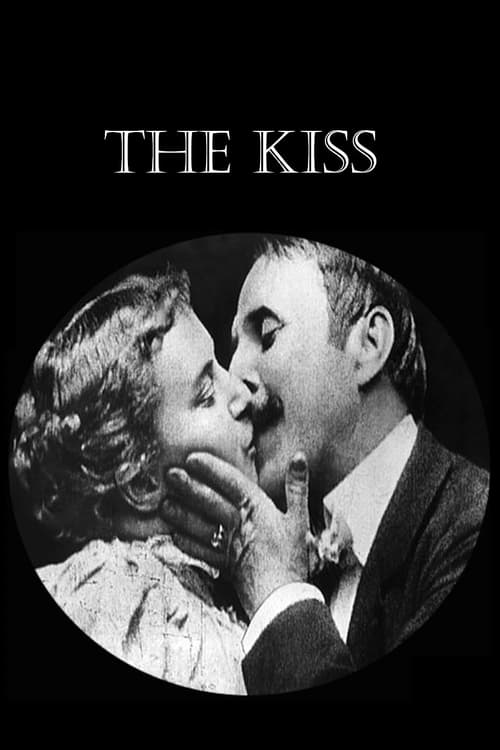
The Kiss
1896
No user ratings available yet
Representation score: 0.1 out of 10
Representation Score
Minimal
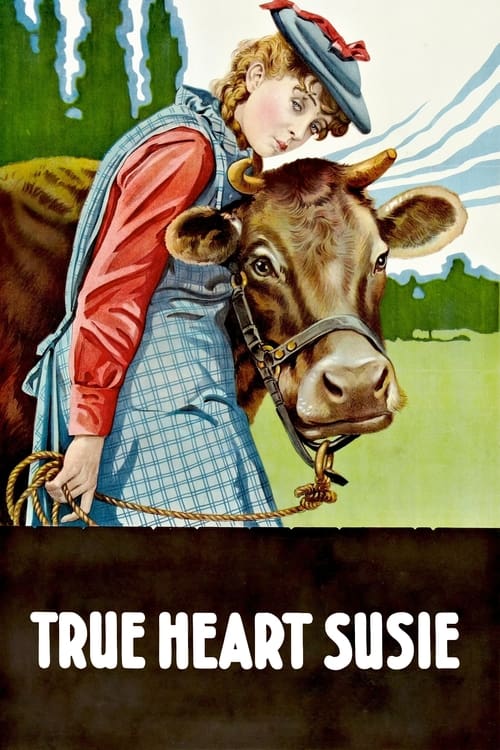
1919
Not RatedDirector
D.W. Griffith
Runtime
87 minutes
Average Rating
No ratings yetNew Showbiz Analysis
True Heart Susie functions as a historical artifact of traditional storytelling. It prioritizes rigid moral frameworks and conventional character archetypes over any form of multi-layered complexity. The film reinforces the social hierarchies of its era by centering the narrative on the preservation of female virtue and a singular racial perspective. Ultimately, the work upholds rather than challenges the patriarchal and homogeneous social structures typical of early 20th-century melodrama.
Category Breakdown
The film does not depict any LGBTQ+ identities or subtext. The romantic tension is strictly confined to a traditional framework that assumes everyone is straight or cisgender.
Susie is portrayed within a framework that emphasizes her moral vulnerability. She plays a significant role in preserving her virtue, reinforcing traditional patriarchal power dynamics.
The narrative presents a homogeneous social environment. There is no evidence of non-white casting or disruption of Anglo-Saxon norms.
The story is rooted in traditional Western morality. It focuses on preserving innocence and adhering to conventional social standards.
No instances of visible or invisible disabilities are documented. Characters function within a standard neurotypical and physical framework.
Present on Screen
Limited or Absent
Official Synopsis
In a country town, Susie, innocent and big-hearted, quietly gives money to William Jenkins, a man she secretly yearns for, so he can attend college. After he graduates, he returns and becomes the town's minister. However, he never realizes how Susie feels about him and ignores her in favor of Bettina Hopkins, a wild and unfaithful girl who steals his heart. Susie must then find a way to show William that she's loved him all along.
1896
1927
1929
1920
1926
1931
1938

1945
No reviews yet. Be the first to share your thoughts on this movie!
Use the rating form above to leave a star rating and optional review.