
Kaiserwalzer
1953
No user ratings available yet
Representation score: 0.3 out of 10
Representation Score
Minimal
1939
Director
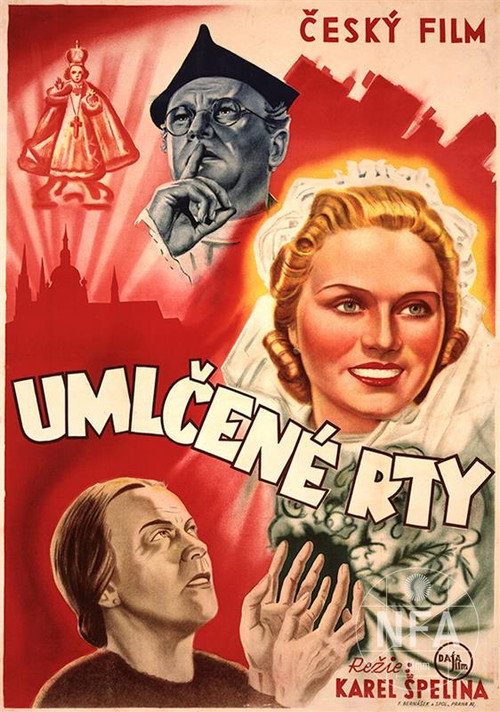
Karel Špelina
Average Rating
No ratings yetNew Showbiz Analysis
Umlčené rty is a product of its 1939 historical context, adhering to the traditional dramatic structures of the late 1930s Czech film industry. The film lacks any documented evidence of progressive social engineering or narrative subversion. The production aligns with the era's standard archetypes, emphasizing regional cultural norms and traditional values. This results in a lack of visible diversity across most modern metrics. Without specific character arcs or thematic descriptions, the film presents as a conventional drama/romance that upholds established social hierarchies rather than challenging them.
Category Breakdown
The film does not include any characters with non-binary gender identities. There are no visible critiques of the assumption that everyone is straight or cisgender.
As a 1939 romance, the film likely follows conventional gender roles. There is no evidence of women having significant control over the plot or subverting traditional male leadership.
This is a Czech-language film from the late 1930s. The cast and setting seem ethnically uniform, reflecting the era's lack of diverse casting.
The story seems to follow traditional Western moral frameworks. It appears to reinforce social stability and conventional values rather than challenging them.
There is no information about the inclusion of neurodivergent or physically disabled characters in this production.
Present on Screen
Limited or Absent
1953
1932
1989
1945
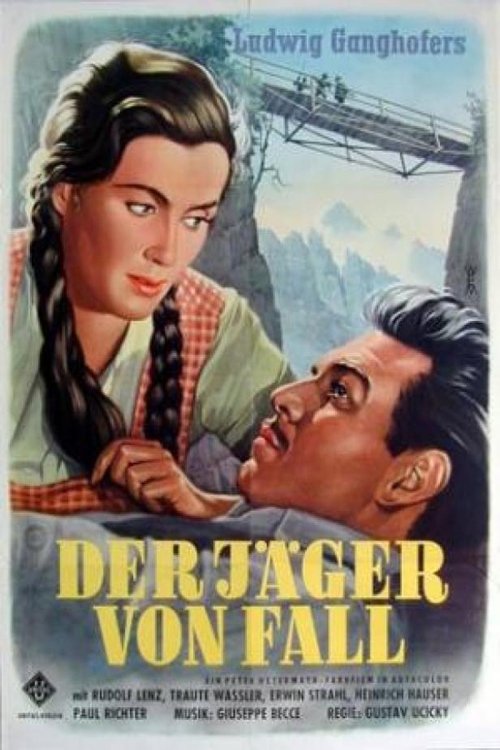
1957

1953
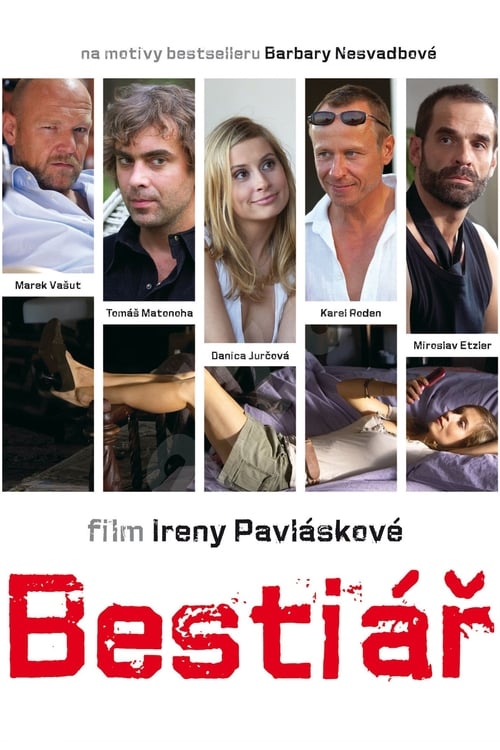
2007
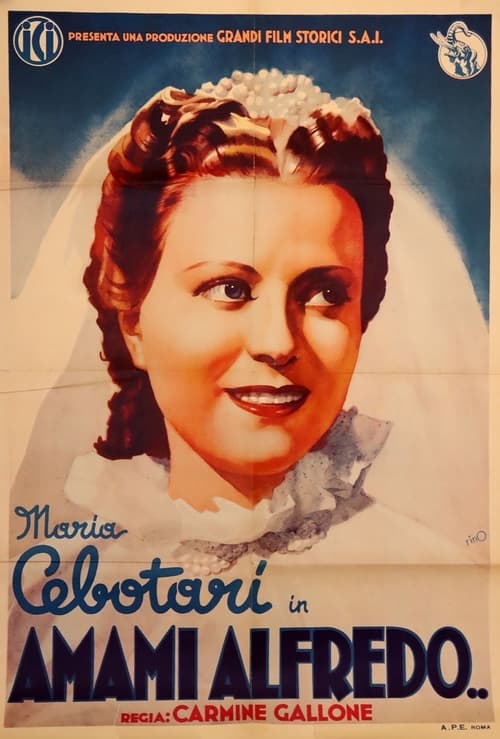
1940
No reviews yet. Be the first to share your thoughts on this movie!
Use the rating form above to leave a star rating and optional review.