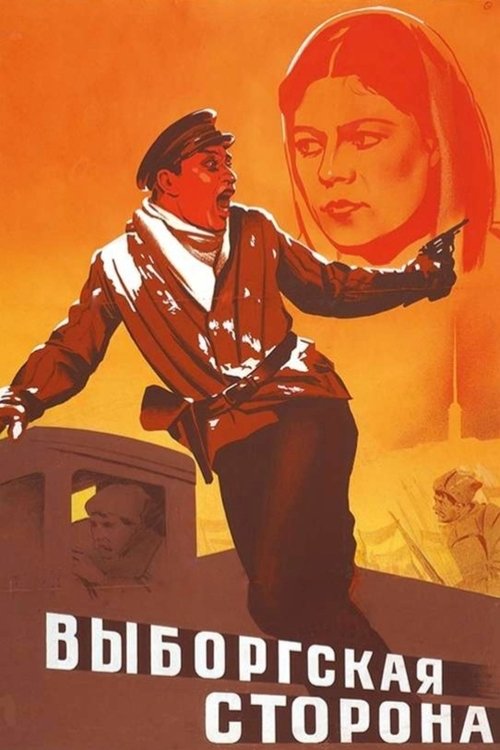
The Vyborg Side
1939
No user ratings available yet
Diversity score: 3.6 out of 10
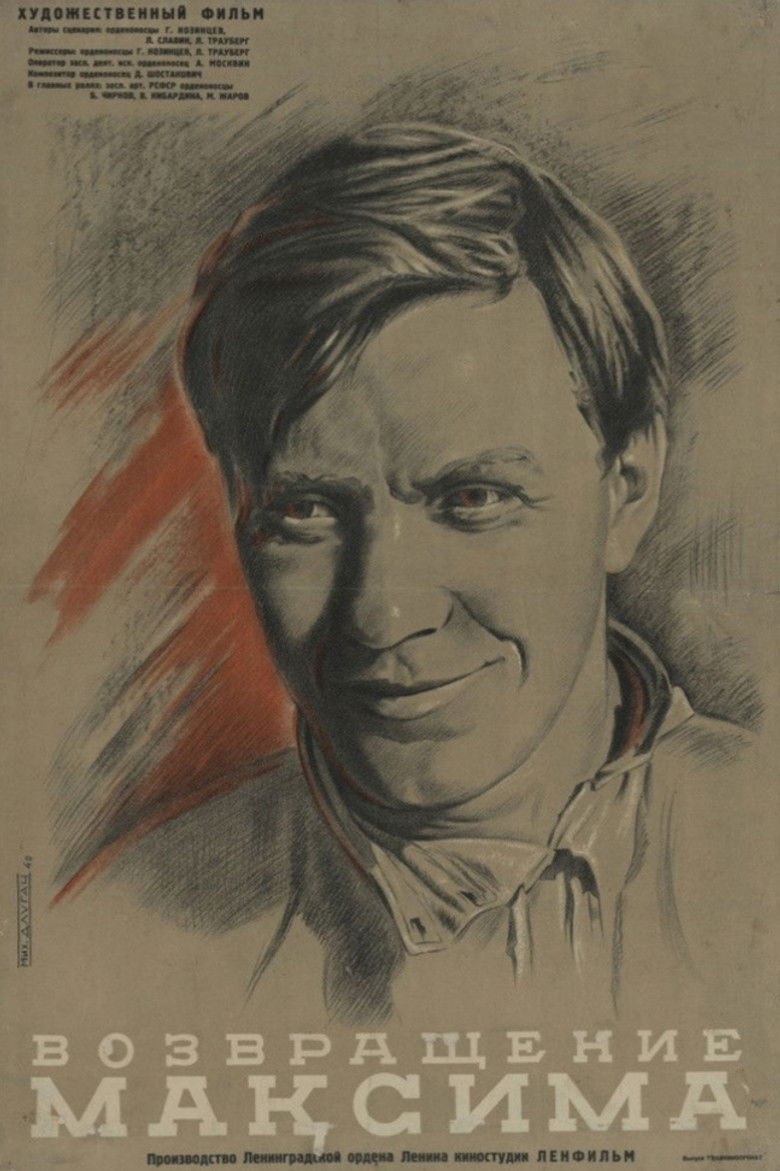
1937
Director
Grigori Kozintsev, Leonid Trauberg
Runtime
105 minutes
Average Rating
No ratings yetSynopsis
The second part of trilogy about the life of a young factory worker, Maxim. In July 1914, the Bolsheviks and Mensehviks compete for representation of the working-class in the Duma. Maksim, who just returned from exile, calls the workers to strike as a protest against the firing of six of their colleagues. The traitor Platon Dymba assaults Maksim, wounding him severely. When the strike unfolds the workers demonstrate by the thousands, the news of the outbreak of World War I suddenly arrives. Maksim gets drafted.
Overall Score
Limited
Category Breakdown
LGBTQ+ Representation
The film lacks any evidence of LGBTQ+ characters or narratives. The story focuses exclusively on class struggle and political factionalism.
Gender Representation
The narrative prioritizes male experiences within the industrial proletariat. While women appear in working-class settings, leadership and political agency remain concentrated in male protagonists.
Racial & Ethnic Diversity
The film emphasizes a universalized proletarian identity over ethnic distinctions. This focus suggests a more homogeneous demographic within the Russian working class.
Religious & Cultural Diversity
The film offers a profound critique of capitalism and parliamentary systems. It frames established social orders as oppressive structures requiring systemic upheaval.
Disability Representation
There is no evidence of characters with disabilities portrayed with agency. Physical trauma serves only as a catalyst for political momentum.
Strengths
Areas for Improvement
AI Analysis
The film is a work of intense ideological intentionality that prioritizes class identity over individual demographic representation. It succeeds in deconstructing systemic power structures but fails to include diverse identities like LGBTQ+ or disabled characters. While the film lacks modern intersectional variety, it achieves high marks for its radical cultural critique. It replaces traditional pluralism with a centralized, revolutionary framework designed to dismantle Western-aligned institutions.
1939
1935
1934
1926
1927
1998
1925
1973
1918
1963
1933
1926
No reviews yet. Be the first to share your thoughts on this movie!
Use the rating form above to leave a star rating and optional review.