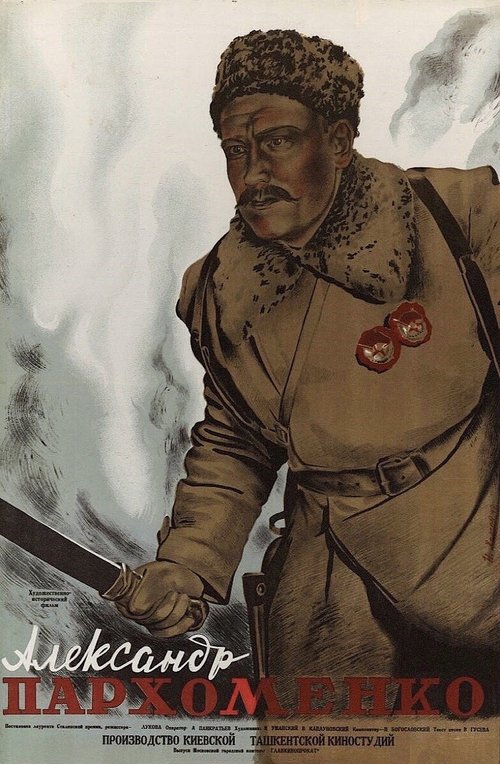
Aleksandr Parkhomenko
1942
No user ratings available yet
Diversity score: 3.5 out of 10
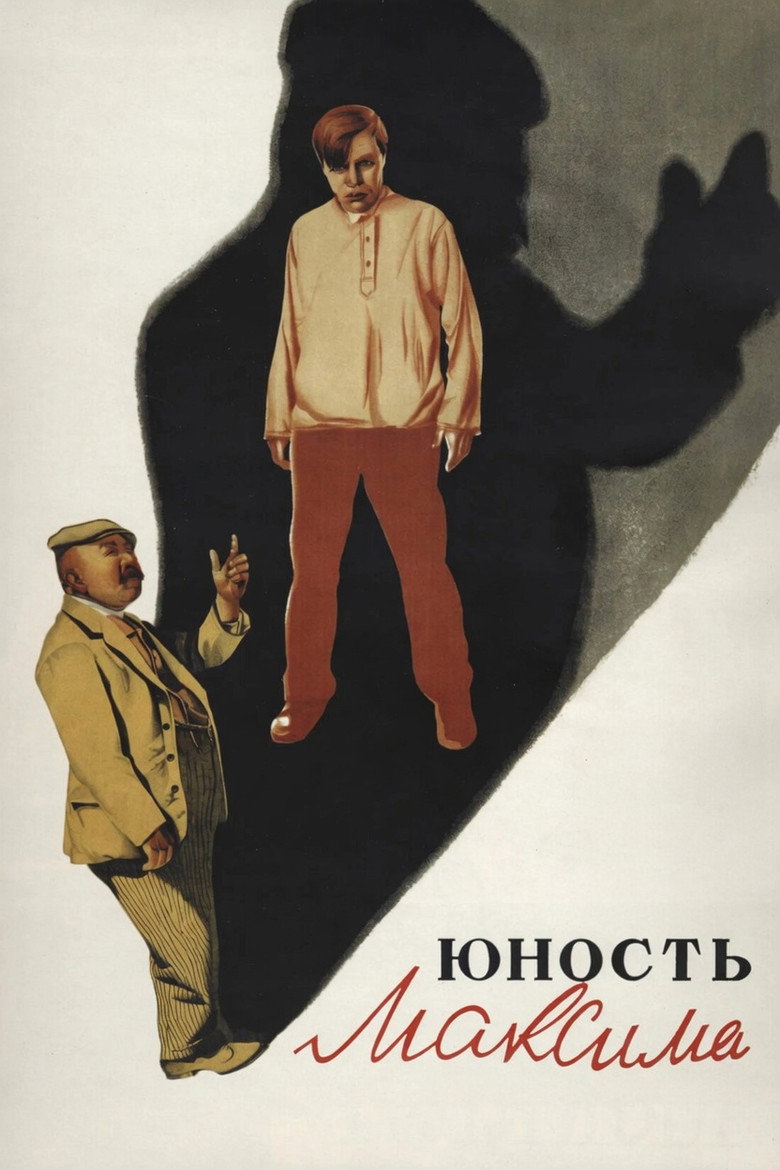
1935
Director
Grigori Kozintsev, Leonid Trauberg
Runtime
90 minutes
Average Rating
No ratings yetSynopsis
A 1935 USA trade-paper reviewer called it... "an impressive and technically outstanding historical drama dealing with czarist terrorism and revolutionary boiling in the days of 1907. Picture is one of the Soviet prize winners and has particular merits in realistic performance, photography and movement, plus some musical touches in way of folk songs."
Overall Score
Fair
Category Breakdown
LGBTQ+ Representation
The narrative focuses strictly on class struggle and industrial labor. There is no evidence of non-heteronormative identities or queer subtext within this historical framework.
Gender Representation
Women are integrated into the industrial labor force and revolutionary movement. The film grants them agency within the collective struggle rather than limiting them to domestic roles.
Racial & Ethnic Diversity
The cast reflects the homogeneous ethnic demographics of the 1907 Russian working class. It centers the ethnic identity of the laborer as the primary protagonist.
Religious & Cultural Diversity
The film offers a profound critique of capitalism, the Tsarist monarchy, and organized religion. It prioritizes secular, class-based morality over religious dogma.
Disability Representation
There is no significant evidence regarding the portrayal of characters with physical or neurodivergent disabilities in this work.
Strengths
Areas for Improvement
AI Analysis
The Youth of Maxim serves as a cinematic deconstruction of traditional social hierarchies. It shifts agency from the bourgeois class to the marginalized proletariat, framing systemic upheaval as a moral necessity. While the film lacks contemporary intersectional markers like LGBTQ+ representation or multi-ethnic casting, it achieves progressive value through its radical critique of institutional power. It replaces conventional notions of authority with a narrative of collective empowerment. Ultimately, the film's strength lies in its ideological commitment to portraying the dismantling of Tsarist hierarchies and the rise of the working class.
1942
1979
1939

1955
2003
1947
1937
1939
No reviews yet. Be the first to share your thoughts on this movie!
Use the rating form above to leave a star rating and optional review.