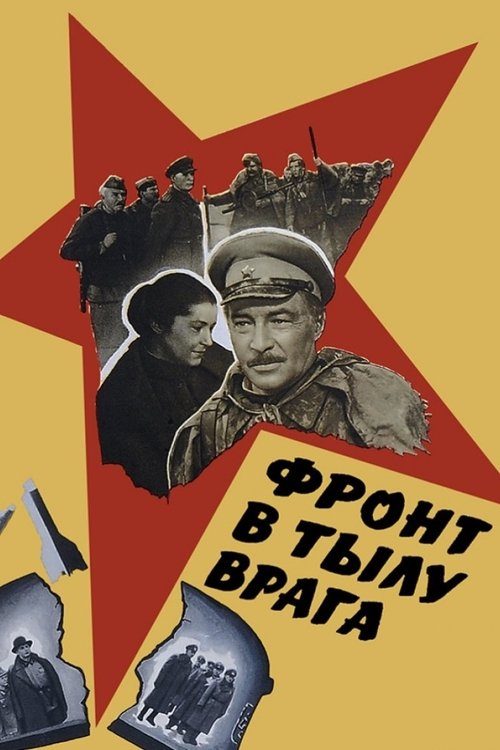
Front in the Rear of the Enemy
1982
No user ratings available yet
Representation score: 4.3 out of 10
Representation Score
Limited
1975
Director
Igor Gostev
Runtime
170 minutes
Average Rating
No ratings yetNew Showbiz Analysis
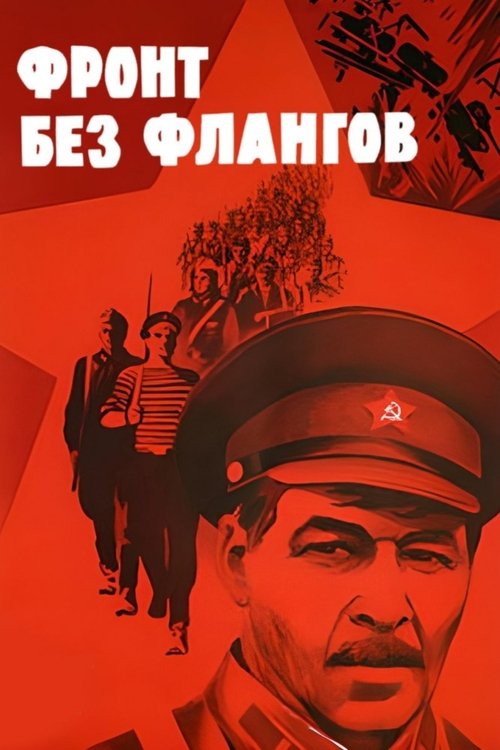
Front Without Flanks is a historical war drama centered on the mobilization of Russian partisans against Nazi forces. The narrative emphasizes communal resilience and systemic resistance against an overwhelming occupying power. The film excels by focusing on a population fighting for self-determination. It explores the subversion of established military hierarchies through the lens of irregular, decentralized warfare. However, the film lacks modern representation that reflects multiple aspects of identity. It focuses on traditional military structures and Soviet genre conventions rather than diverse identity narratives.
Category Breakdown
The film does not include any characters with LGBTQ+ identities, which is likely due to the 1975 Soviet cinematic context where such narratives were not represented.
The story revolves around Major Mlynsky and the military structure. Despite the historical significance of female partisans, the film seems to emphasize traditional male leadership roles.
The narrative focuses on Russian identity resisting Nazi occupation. While the cast is probably ethnically homogeneous, the plot centers on a population fighting against an imperialist force.
The film highlights anti-fascist resistance and the survival of a displaced population. It shows a community using decentralized, grassroots methods to fight against an oppressive, invading state.
There is no information about the portrayal of physical or neurodivergent characters in this historical war drama.
Present on Screen
Limited or Absent
Official Synopsis
A first episode in the trilogy about the Russian partisan's resistance against the Nazi occupation of Russia during WWII. The film is set in August of 1941, when the Nazi forces invaded and occupied the European part of Russia. Major Mlynsky is in charge of the special group of partisans. His group is absorbing other small groups of Russian soldiers, who managed to survive from the attacks of the overwhelming Nazi forces. The Nazi Armies are advancing to Moscow. Major Mlynsky is organizing the Russian partisan's resistance against the Nazis, behind the enemy lines.
1982
1957
1945
1966

2002
1971
1943

1978
No reviews yet. Be the first to share your thoughts on this movie!
Use the rating form above to leave a star rating and optional review.