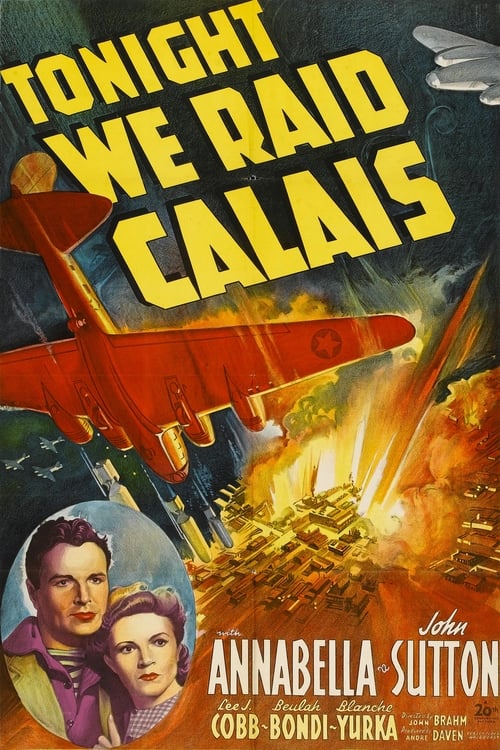
Tonight We Raid Calais
1943
No user ratings available yet
Representation score: 0.6 out of 10
Representation Score
Limited
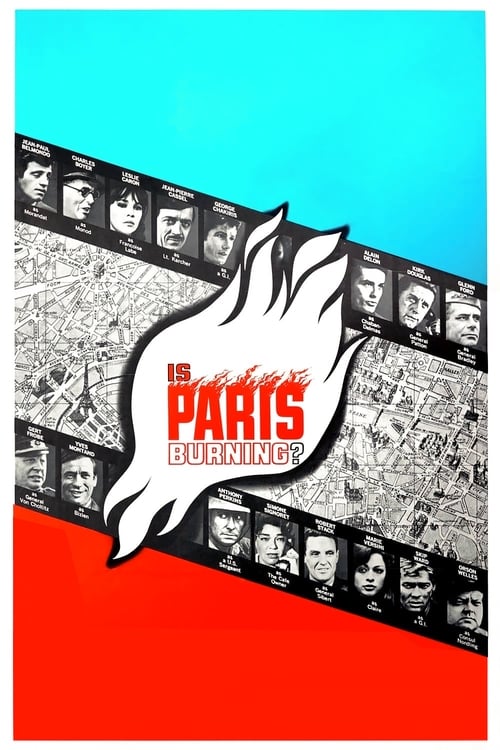
1966
PGDirector
René Clément
Runtime
173 minutes
Average Rating
No ratings yetNew Showbiz Analysis
Is Paris Burning? functions as a work of historical realism that documents the geopolitical crisis of 1944. It captures the tension of the German occupation and the subsequent liberation of Paris through a lens of historical necessity. The film effectively portrays the moral ambiguity and chaos inherent in the transition from occupation to liberation. By focusing on the dismantling of an oppressive regime, it offers a compelling look at the reclamation of national sovereignty. However, the narrative remains anchored in the traditional demographic and gendered frameworks of the 1940s. It does not seek to challenge or subvert the social hierarchies of the era.
Category Breakdown
The film is set in the historical context of 1944 and does not include any LGBTQ+ characters or narratives about non-cisgender identities.
Military command and political decision-making are primarily handled by male figures. Women play important roles in the resistance but are not the main drivers of the plot.
The cast is predominantly made up of French actors, reflecting the historical context of the French Resistance during World War II.
The film depicts the collapse of established authority and the dismantling of oppressive regimes. It highlights the reclaiming of sovereignty through the lens of the French Resistance.
There are no specific depictions of visible or invisible disabilities in the film. The narrative focuses on the broader movements of military and resistance factions.
Present on Screen
Limited or Absent
Official Synopsis
Near the end of World War II, General Dietrich von Choltitz receives orders to burn down Paris if it becomes clear the Allies are going to invade, or if he's unable to maintain control of the city. After much contemplation, Choltitz ignores orders, enraging the Germans and giving hope to various resistance factions that the city will be liberated. Choltitz, alongside Swedish diplomat Raoul Nordling, helps a leader organise his forces.
1943
2009
1974
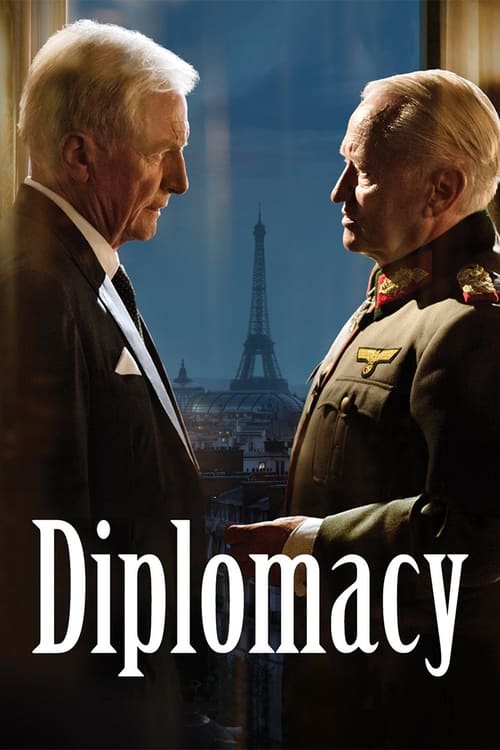
2014
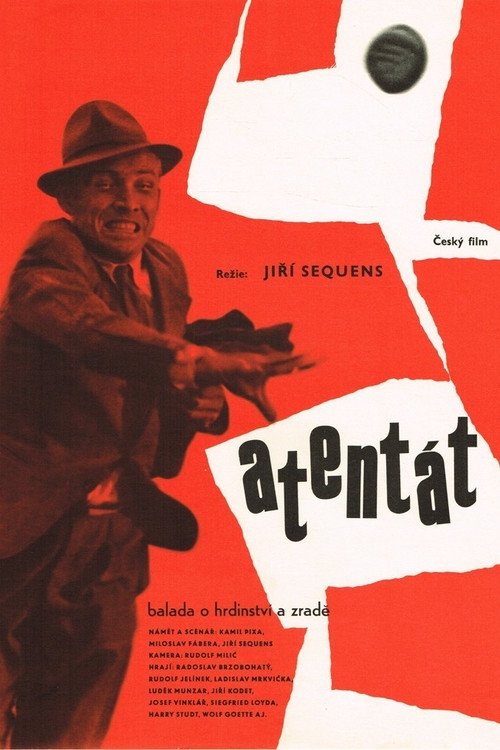
1965
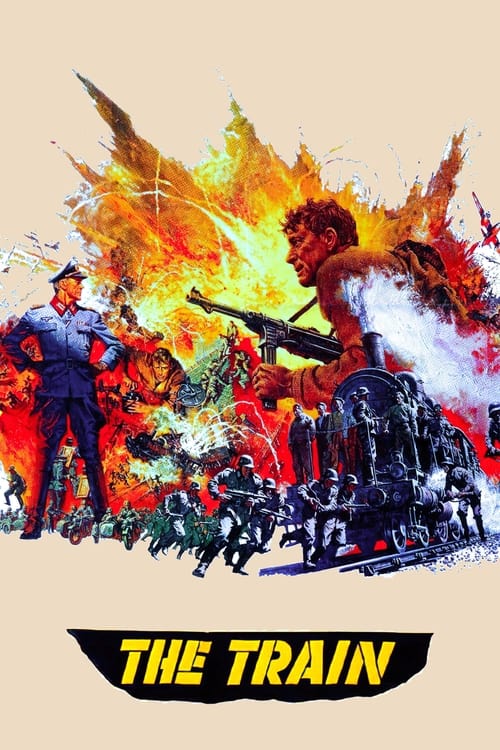
1964
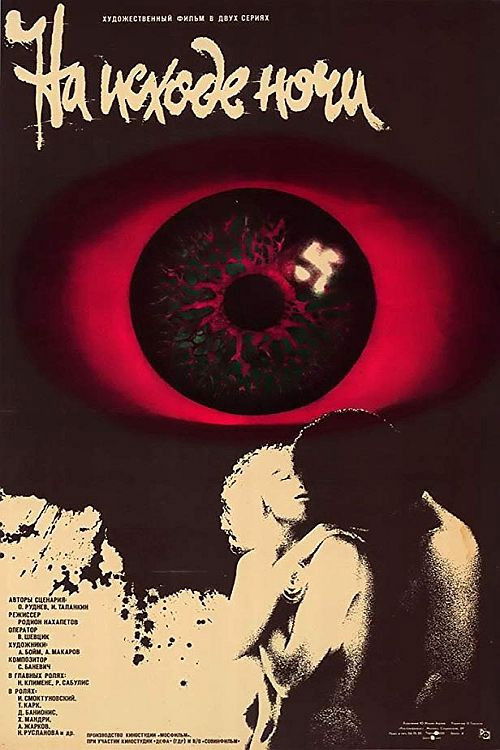
1988

1951
No reviews yet. Be the first to share your thoughts on this movie!
Use the rating form above to leave a star rating and optional review.