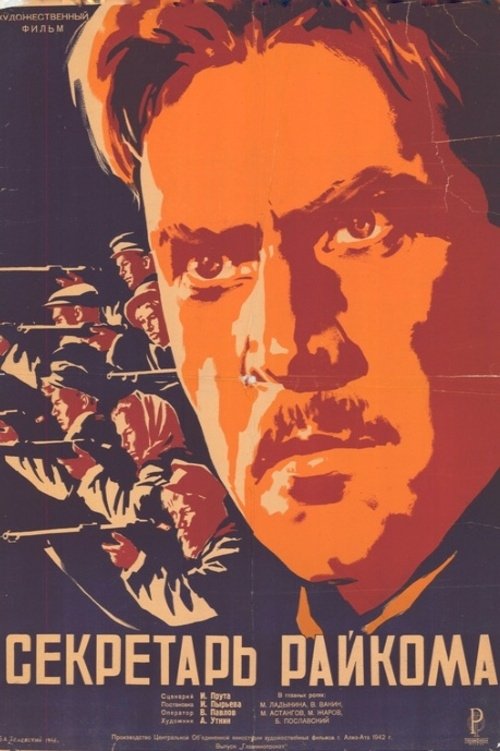
The District Secretary
1942
No user ratings available yet
Representation score: 4.9 out of 10

Representation Score
Minimal
1978
Director
Igor Gostev
Runtime
174 minutes
Average Rating
No ratings yetNew Showbiz Analysis
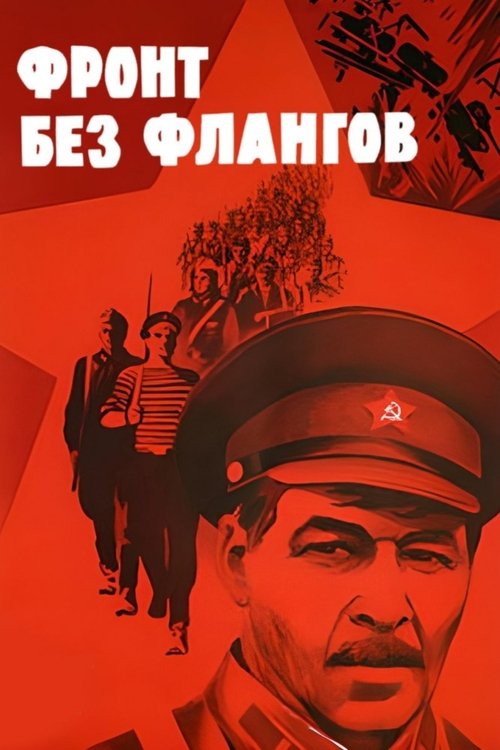
Front Beyond the Front Line is a traditional Soviet war drama that prioritizes historical realism and military hierarchy. The narrative centers on the promotion of Major Mlynsky and the operational mechanics of partisan warfare during WWII. The film functions as a chronicle of resistance, emphasizing duty and command. It reinforces established social and military structures rather than attempting to challenge them through diverse or layered storytelling. Ultimately, the work serves as a conventional historical drama. It focuses on the collective struggle against an external threat, leaving little room for nuanced representation of underrepresented identities.
Category Breakdown
The film adheres to the social norms of the 1940s. There is no evidence of characters with non-traditional gender identities or narratives that question the assumption that everyone is straight or cisgender.
The narrative focuses on a male-centric military hierarchy. While women historically played roles in partisan movements, the story emphasizes traditional masculine leadership and command.
The production reflects the regional context of the Eastern Front. The cast appears ethnically homogeneous, focusing on the defense of Russian territory without diverse casting.
The film celebrates patriotism, military discipline, and state sanctity. It aligns with institutional values rather than exploring anti-nationalist or anti-institutional themes.
There is no indication that neurodivergence or physical disabilities are integrated into the character arcs or used to drive the narrative.
Present on Screen
Limited or Absent
Official Synopsis
A second episode in the trilogy about the partisans fighting against the Nazis during the WWII on the territory of Russia. Film is set in the winter of 1943-1944. Major Mlynsky is the commander of the partisan group, that is fighting behind the Nazi's front-lines. Major Mlynsky is invited to the Chief of Staff, where he is promoted to Lt.-Colonel for his courage. Now Mlynsky is in charge of the new partisan's operation.
1942

1977
1982
1962
1975
1950
1969
1963
No reviews yet. Be the first to share your thoughts on this movie!
Use the rating form above to leave a star rating and optional review.