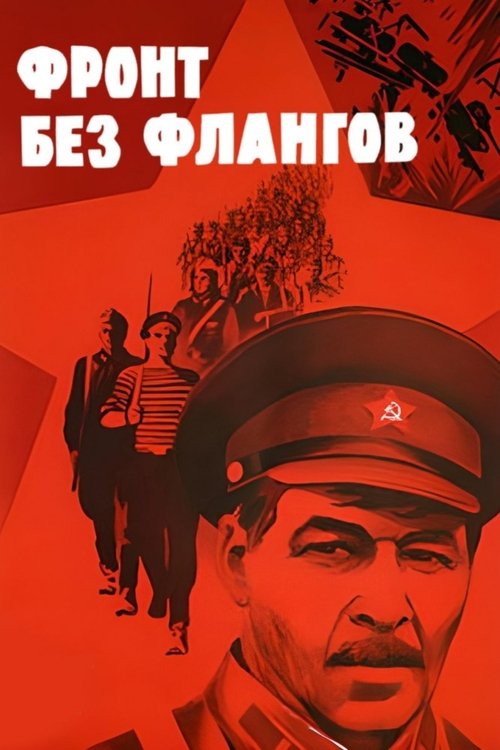
Front Without Flanks
1975
No user ratings available yet
Representation score: 3.1 out of 10
Representation Score
Fair
1982
Director
Igor Gostev
Runtime
161 minutes
Average Rating
No ratings yetNew Showbiz Analysis
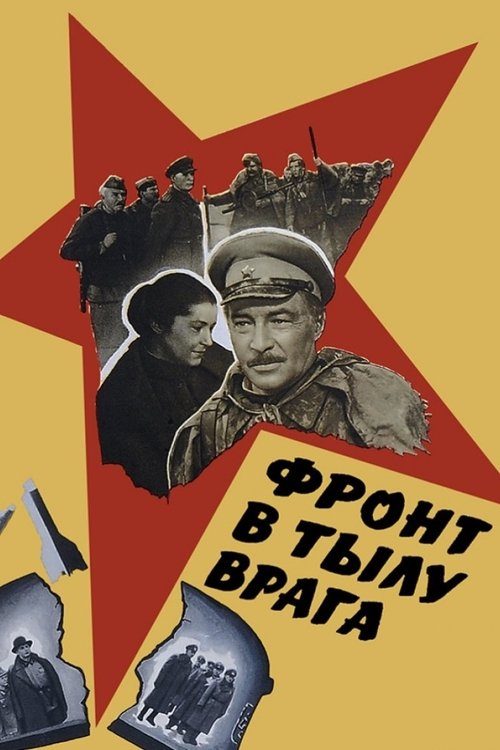
Front in the Rear of the Enemy effectively portrays the unity of diverse ethnic groups in resisting a common oppressor. The plot centers around the actions of Russian, Polish, and Czechoslovakian partisans, emphasizing their role in driving the resistance. However, the film adheres to the social norms of its time, lacking LGBTQ+ representation and maintaining a male-dominated military leadership. Traditional gender hierarchies are upheld, though the film offers a meaningful depiction of international solidarity.
Category Breakdown
The film does not include any LGBTQ+ characters or narratives that challenge traditional heterosexual norms. It focuses on the military hierarchy and wartime survival typical of Soviet cinema from the early 1980s.
Leadership roles are dominated by male military figures, particularly Lt. Colonel Mlynsky. Women play important roles in combat and logistics due to wartime needs, but the film does not question traditional gender roles.
The film showcases a diverse cast of Russian, Polish, and Czechoslovakian partisans, highlighting the importance of international cooperation during wartime.
The story emphasizes resistance against fascism and systemic oppression, rooted in the geopolitical context of Soviet-era filmmaking. Collective liberation is prioritized over individual secular concerns.
There are no characters with visible or invisible disabilities mentioned in the film.
Present on Screen
Limited or Absent
Official Synopsis
A final episode in the trilogy about the Russian partisan's resistance during WWII. The film is set in 1944, when Russian partisans are making progress in their fighting against the Nazi occupation of Russia, Poland and Czechoslovakia. Lt. Colonel Mlynsky is now in charge of an international clandestine operation. He is the commander of the special group of partisan-fighters. Mlynsky is organizing the Russian, Polish and Czechoslovakian partisans to join forces for an attack behind the enemy lines.
1975
1957

1978
1966

1983
2019
1971
1965
No reviews yet. Be the first to share your thoughts on this movie!
Use the rating form above to leave a star rating and optional review.