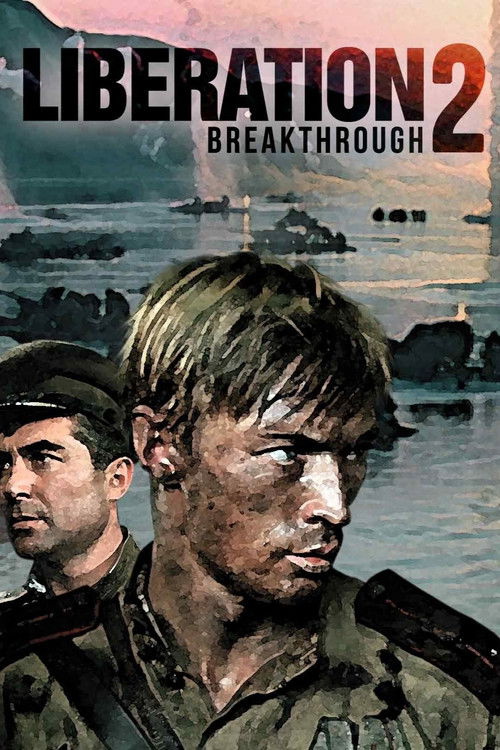
Liberation - Part 2 : Breakthrough
1970
No user ratings available yet
Representation score: 5.5 out of 10
Representation Score
Fair
1971
Director
Yuri Ozerov
Runtime
125 minutes
Average Rating
No ratings yetNew Showbiz Analysis
Yuri Ozerov’s epic centers on the collective heroism of the Soviet state during World War II. It presents a non-Western, multi-ethnic perspective that challenges traditional Western war narratives through its depiction of Soviet Internationalism. However, the film remains tied to traditional hierarchies. It lacks representation of LGBTQ+ identities and confines female characters to supporting roles, focusing instead on masculine martial prowess and strategic command. Ultimately, the work is a study in collectivism. It emphasizes a secular, anti-fascist narrative that highlights proletarian triumph and state unity.
Category Breakdown
The film adheres to the assumption that everyone is straight or cisgender. It does not include any non-traditional sexual or gender identities.
Men hold most of the narrative ability to act in military command roles. Women are shown mainly as nurses or partisans, serving as supportive or symbolic figures.
The film highlights the multi-ethnic makeup of the Red Army, featuring Russians and Ukrainians. This reflects Soviet Internationalism through a unified strategic viewpoint.
The story emphasizes a secular, atheist worldview and opposes capitalism. It portrays the Soviet state as the main moral authority against fascism.
Disability is not a central theme. Physical injuries are depicted as combat consequences to show the harshness of war rather than as character development.
Present on Screen
Limited or Absent
Official Synopsis
This five part epic war drama gives a dramatized detailed account of Soviet Union's war against Nazi Germany during world war two. Each of the five parts represents a separate major eastern front campaign.
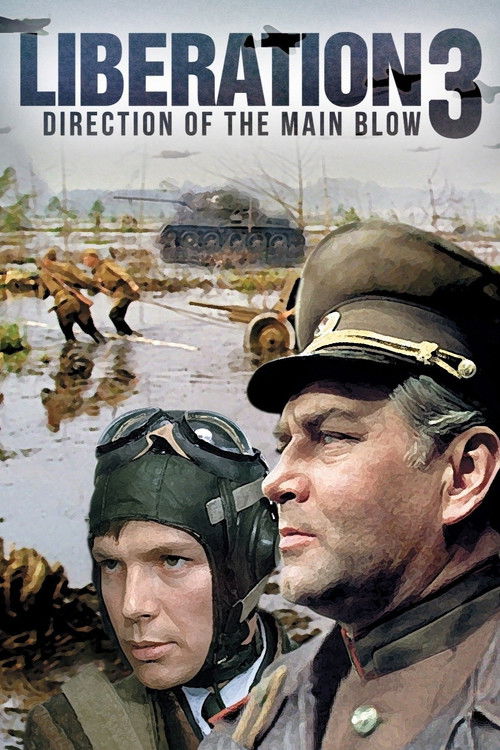
1970
1959

1971
1961
1971

1957

1970
1975
No reviews yet. Be the first to share your thoughts on this movie!
Use the rating form above to leave a star rating and optional review.