
Carla
1965
No user ratings available yet
Representation score: 5.0 out of 10
Representation Score
Fair
1967
NRDirector
Robert Mulligan
Runtime
124 minutes
Average Rating
No ratings yetNew Showbiz Analysis
Up the Down Staircase is a character-driven drama that finds its strength in challenging traditional gender roles. By focusing on female professional ability to act and the emotional labor of teaching, it offers a progressive view of women navigating systemic rigidity. However, the film is heavily constrained by its 1960s setting. The lack of racial and LGBTQ+ representation makes the social landscape feel homogeneous and narrow, reflecting the era's demographic norms without attempting to broaden them. Ultimately, the film's value lies in its critique of institutional authority. It prioritizes human connection over bureaucracy, even if it does not fully address broader issues related to diversity and disability.
Category Breakdown
The film adheres to a traditional 1960s British boarding school setting, where there is no depiction of LGBTQ+ identities or same-sex relationships.
The narrative centers around female-dominated spaces, eliminating the male perspective. Jane exhibits a significant role in driving the story as she navigates professional challenges and confronts traditional authority structures.
The cast is predominantly white and uniform, reflecting the historical constraints of a mid-century British institution. There is a noticeable absence of racial diversity or varied cultural backgrounds.
The story critiques rigid Western institutions by portraying school administration as an oppressive force. It emphasizes empathy over strict, rule-bound discipline.
There are no prominent depictions of physical or cognitive disabilities. The film focuses on psychological and emotional struggles rather than addressing visible or invisible disabilities.
Present on Screen
Limited or Absent
Official Synopsis
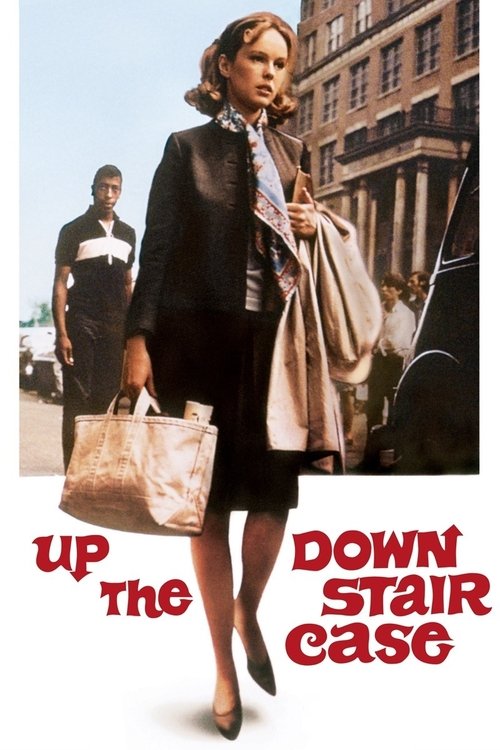
Sylvia, a novice schoolteacher, is hired to teach English in a high school, but she’s met with an apathetic faculty, a delinquent student body and an administration that drowns its staff in paperwork. The following days go from bad to worse as Sylvia struggles to reach her most troubled students.
1965
1969
1961

1973

1984
1955
1978
1951
No reviews yet. Be the first to share your thoughts on this movie!
Use the rating form above to leave a star rating and optional review.