
Female Teacher
1977
No user ratings available yet
Representation score: 2.7 out of 10
Representation Score
Good
1960
Director
Daniel Tinayre
Runtime
88 minutes
Average Rating
No ratings yetNew Showbiz Analysis
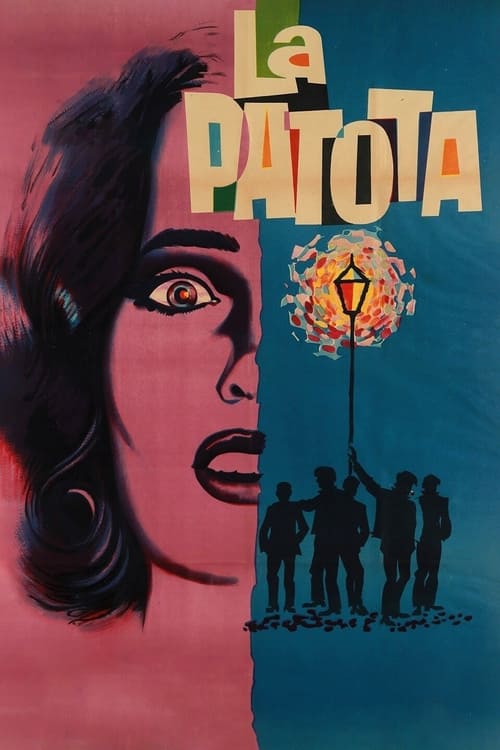
La Patota serves as a nihilistic deconstruction of the Argentine bourgeoisie, focusing on the moral decay of a privileged social class. While it lacks diversity in terms of race, sexuality, and disability, it provides a sophisticated critique of traditional Western institutional morality. The film's strength lies in its subversion of social decorum and its anti-capitalist sentiment. It avoids religious clichés to present a bleak, secular view of systemic corruption. However, the narrative is limited by its homogeneous demographic focus, preventing a broader multi-layered perspective.
Category Breakdown
The film does not depict any LGBTQ+ identities or same-sex intimacy. The narrative focuses solely on the destructive dynamics of the existing social hierarchy.
Women are shown as active participants in a lawless social circle, challenging submissive femininity. However, the central trauma involving the teacher limits the roles of female characters.
Casting is intentionally homogeneous to reflect the Argentine upper class of 1960. The film offers little diversity in racial representation, focusing instead on a privileged demographic.
The film critiques Western institutions and capitalism, emphasizing a secular, nihilistic worldview that rejects religious moralizing in favor of situational ethics.
There is no significant portrayal of characters with visible or invisible disabilities. The film focuses on the psychological and social transgressions of affluent youth.
Present on Screen
Limited or Absent
Official Synopsis
A philosophy teacher is raped by her night school students.
1977
1977
1960
1964
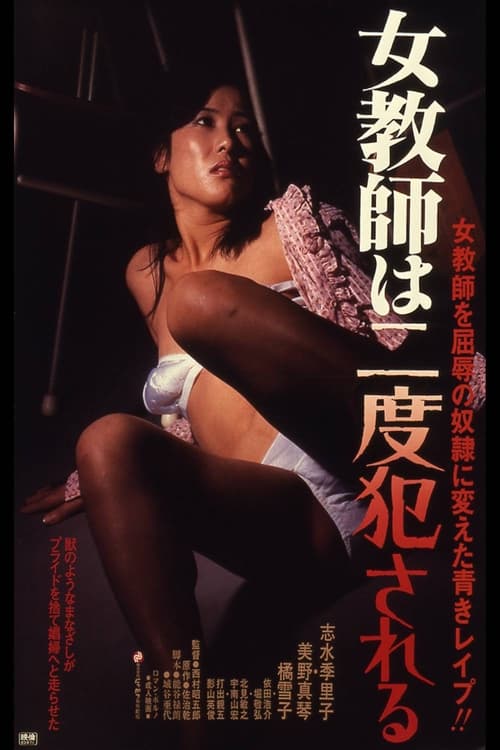
1983
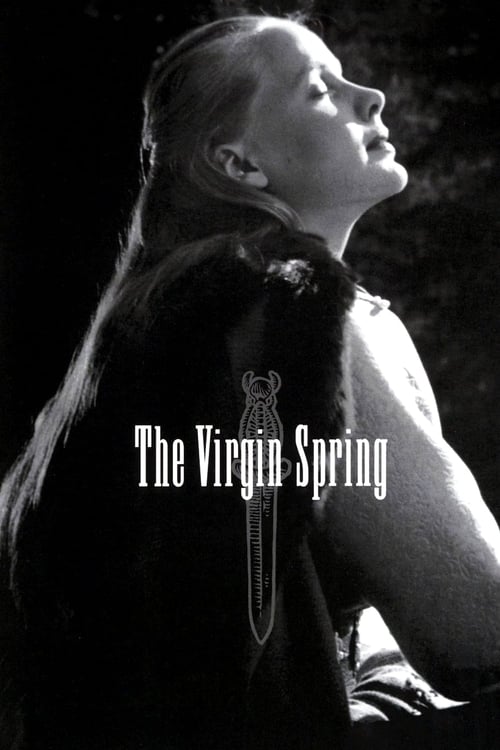
1960

1991

1965
No reviews yet. Be the first to share your thoughts on this movie!
Use the rating form above to leave a star rating and optional review.