The Glass Menagerie
1987
No user ratings available yet
Representation score: 5.0 out of 10
Representation Score
Fair
1972
PGDirector
Paul Newman
Runtime
100 minutes
Average Rating
No ratings yetNew Showbiz Analysis
The film shines in its exploration of gender and disability issues. By focusing on Beatrice's struggles and Ruth's epilepsy, it challenges old stereotypes about women and disabled people. However, it falls short in representing LGBTQ+ identities and diverse racial backgrounds. The story focuses on a narrow, white community. Overall, it offers a deep, honest look at personal and economic pressures in a domestic setting.
Category Breakdown
The film follows mid-century social norms where everyone is assumed to be straight and cisgender. There are no non-cisgender identities or same-sex relationships shown.
Beatrice drives the story, challenging traditional gender roles by focusing on women's emotional and intellectual work. The film highlights tensions caused by patriarchal roles.
The cast is mostly white, reflecting the specific time and place. The story does not include racial or ethnic diversity.
The film questions the American Dream by showing middle-class goals as stressful. It depicts the traditional family as dysfunctional.
Ruth's epilepsy is a key part of her identity, but the film avoids using her condition for pity. It shows her taking control of her life.
Present on Screen
Limited or Absent
Official Synopsis
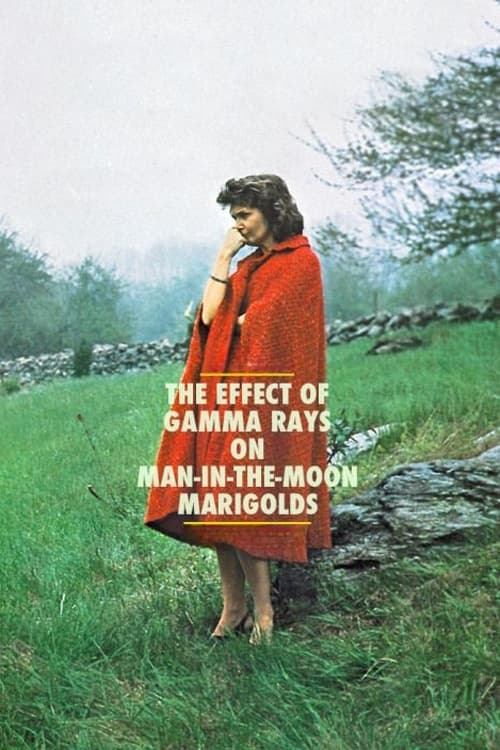
Middle-aged widow Beatrice Hunsdorfer and her daughters Ruth and Matilda are struggling to survive in a society they barely understand. Beatrice dreams of opening an elegant tea room but does not have the wherewithal to achieve her lofty goal. Epileptic Ruth is a rebellious adolescent, while shy but highly intelligent and idealistic Matilda seeks solace in her pets and school projects, including one designed to show how small amounts of radium affect marigolds.
1987

1945
1950

1969

1997

1970

1963

1961
No reviews yet. Be the first to share your thoughts on this movie!
Use the rating form above to leave a star rating and optional review.