
The Sultans
1966
No user ratings available yet
Diversity score: 3.9 out of 10

1946
ApprovedDirector
Jean Delannoy
Runtime
110 minutes
Average Rating
No ratings yetSynopsis
A minister falls in love with a blind young woman he sheltered, but so does his son.
Overall Score
Fair
Category Breakdown
LGBTQ+ Representation
The film focuses entirely on heteronormative romantic entanglements. There are no depictions of non-cisnormative identities or queer perspectives.
Gender Representation
The narrative disrupts traditional hierarchies by centering a woman's pursuit of desire. The protagonist's illicit affair challenges mid-century standards of submissive femininity.
Racial & Ethnic Diversity
The cast is ethnically homogeneous, reflecting the 1940s rural French setting. The film does not engage with racial diversity or non-European casting.
Religious & Cultural Diversity
The story explores subjective morality and the breakdown of traditional institutions. It remains rooted in a traditional European setting without systemic critiques.
Disability Representation
A blind female protagonist provides the central narrative lens. Her disability is integrated into her emotional agency rather than being used solely for pity.
Strengths
Areas for Improvement
AI Analysis
Pastoral Symphony is a character study centered on social transgression and individual impulse. It succeeds in providing a nuanced portrayal of a disabled protagonist, granting her emotional autonomy that avoids the most reductive tropes of the era. However, the film lacks intersectional breadth. It remains confined to a homogeneous European social structure, offering no representation of racial diversity or LGBTQ+ identities. While it challenges gendered expectations of femininity, it does so within a very narrow cultural framework.
1966
1947

1947
1952
1951
1940
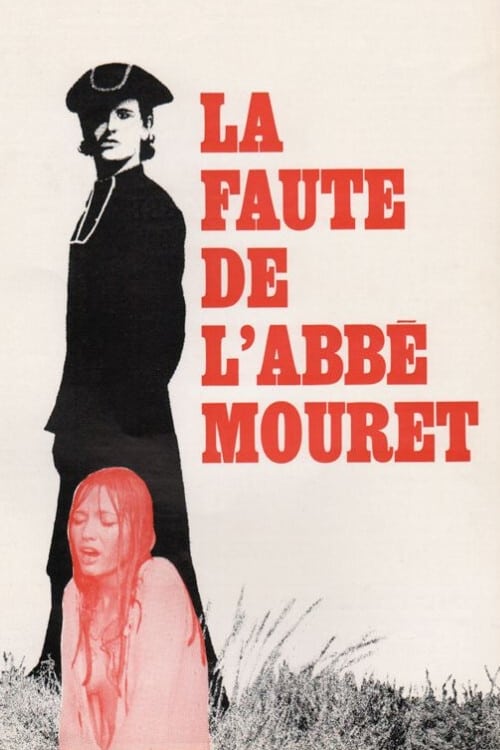
1970
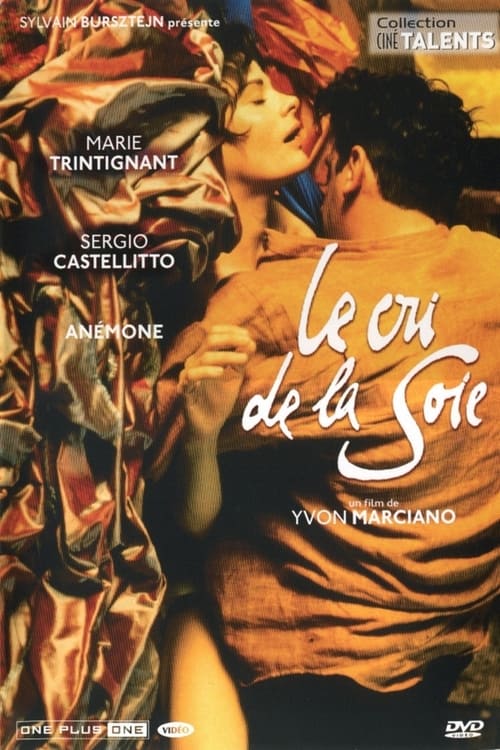
1996

1948
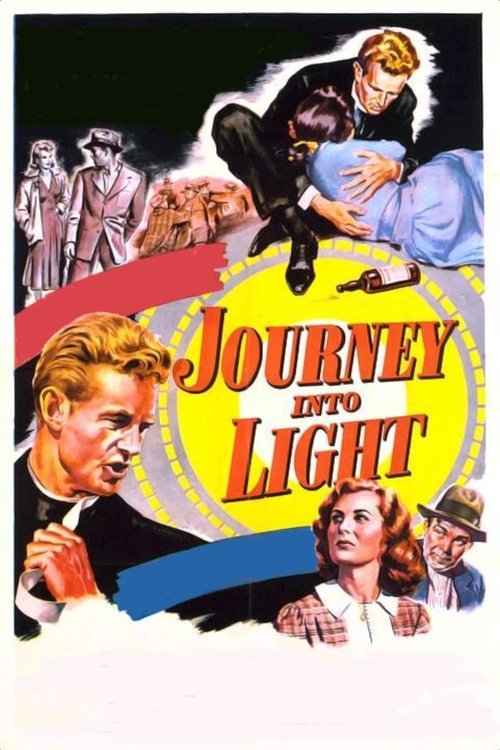
1951
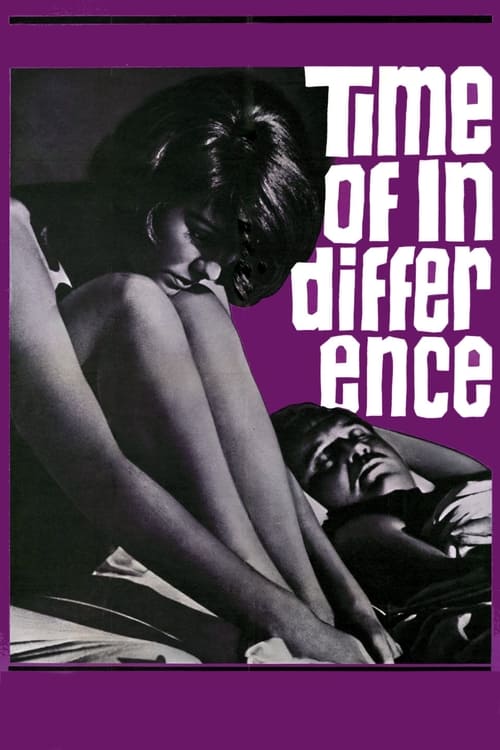
1964
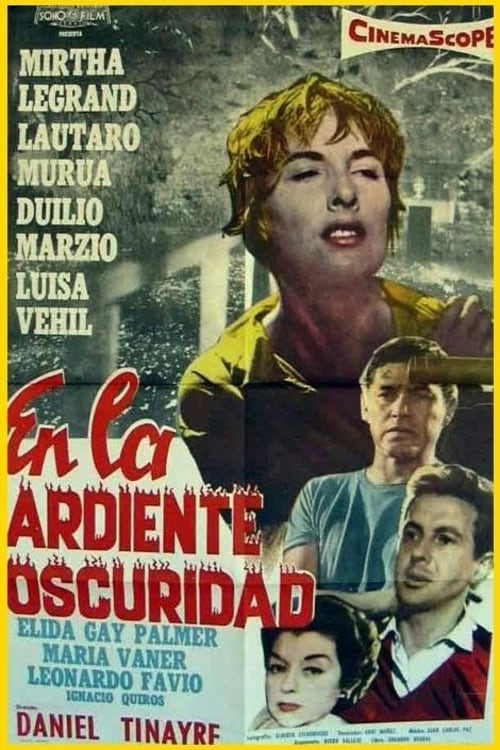
1959
No reviews yet. Be the first to share your thoughts on this movie!
Use the rating form above to leave a star rating and optional review.