
Get Your Man
1927
No user ratings available yet
Representation score: 3.9 out of 10
Representation Score
Minimal
1929
NRDirector
Jack Conway
Runtime
76 minutes
Average Rating
No ratings yetNew Showbiz Analysis
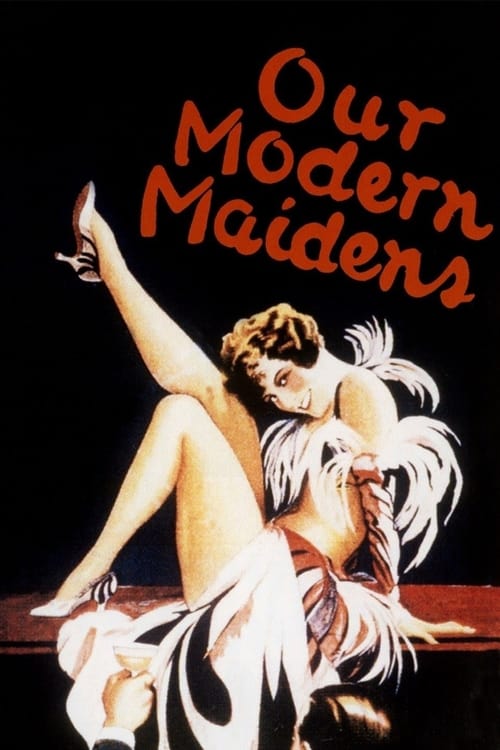
Our Modern Maidens is a product of the late 1920s studio system, prioritizing conventional romantic relationships over systemic critique. The story follows a standard pre-Code structure where social maneuvering and interpersonal drama drive the plot. While the female lead displays social influence, it remains tied to period-specific clichés of charm and romantic influence. The film reflects a narrow, traditional worldview centered on Western social hierarchies and straight-centered relationships without exploring diverse identities or challenging the status quo.
Category Breakdown
The film does not include any characters with non-straight sexual orientations or non-cisgender identities. It focuses solely on traditional romantic relationships.
Billie uses her social influence to affect professional outcomes, but this power comes from traditional feminine traits and romantic connections. She plays a significant role in driving the story through charm and romantic influence.
The film adheres to the homogenous casting practices typical of its time, showing no signs of non-white or non-Anglo-Saxon majority casting.
The story revolves around navigating Western business and diplomatic settings, emphasizing social climbing without critiquing these established structures.
There are no characters with visible or invisible disabilities in the narrative.
Present on Screen
Limited or Absent
Official Synopsis
Young, vivacious Billie uses her charms on influential businessman Glenn Abbott in hopes of getting her secret fiancé Gil a diplomatic appointment. Meanwhile, Gil's affections meander to beautiful ingenue Kentucky, Billie's best friend.
1927
1932
1916
1932
1932
1927
1928
1932
No reviews yet. Be the first to share your thoughts on this movie!
Use the rating form above to leave a star rating and optional review.