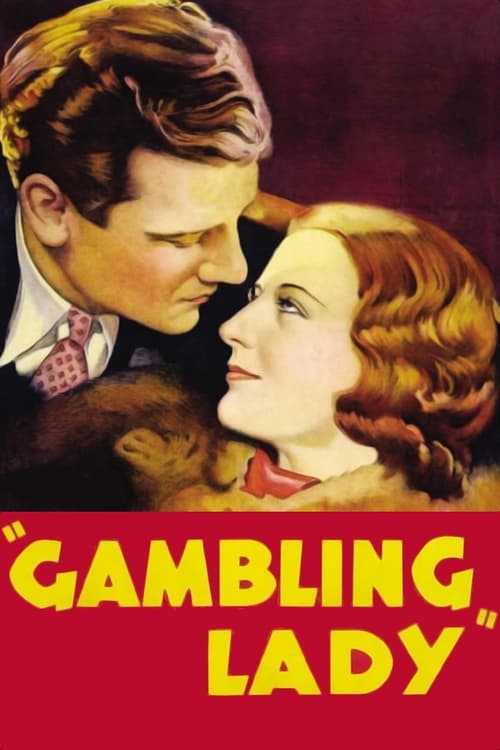
Gambling Lady
1934
No user ratings available yet
Representation score: 2.4 out of 10
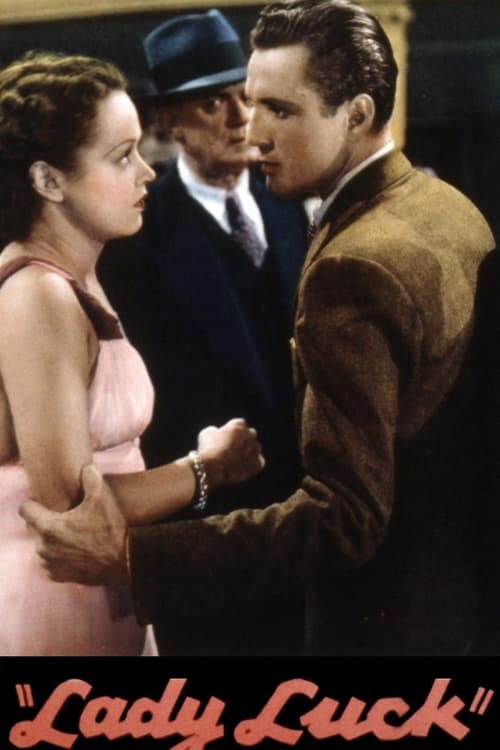
Representation Score
Minimal
1936
ApprovedDirector
Charles Lamont
Runtime
62 minutes
Average Rating
No ratings yetNew Showbiz Analysis
Lady Luck is a conventional 1930s production that prioritizes standard narrative arcs and established social hierarchies. While the female protagonist exhibits individual ability to act, her motivations are tied to traditional gendered clichés of seeking wealth through marriage. The film lacks multi-layered complexity, offering a homogeneous view of society that reflects the era's casting norms. It functions primarily as escapist entertainment rather than a critique of systemic social or cultural structures. Ultimately, the work adheres strictly to the social mores of its time, providing little representation beyond the central romantic and class-based conflicts.
Category Breakdown
The film does not include any characters with non-straight or non-cisgender identities. The story revolves around traditional romantic pursuits and class-based courtship.
Mamie Murphy plays a significant role in driving the plot through her pursuit of upward mobility. However, her ambitions are framed through matrimonial opportunism and interactions with male-dominated power structures.
The narrative focuses on high-society sportsmanship and urban crime in New York. There is no mention of a diverse cast or non-Anglo-Saxon characters.
Themes of capitalism and social climbing are explored within a framework that reinforces traditional social structures. The film follows a conventional moral binary regarding honesty and racketeering.
There is no information available regarding the depiction of physical or neurodivergent characters in this film.
Present on Screen
Limited or Absent
Official Synopsis
New York manicurist Mamie Murphy plans to marry a rich man, so she repeatedly turns down the proposals of honest reporter David Haines. When she is announced the winner of $2,500 and a ticket worth $150,000 for champion horse Lady Luck, if the horse wins an upcoming race, Mamie is pursued by wealthy sportsman Jack Conroy and nightclub owner and racketeer Tony Morelli.
1934
1933
1936
1955
1934
1930

1939
1930
No reviews yet. Be the first to share your thoughts on this movie!
Use the rating form above to leave a star rating and optional review.