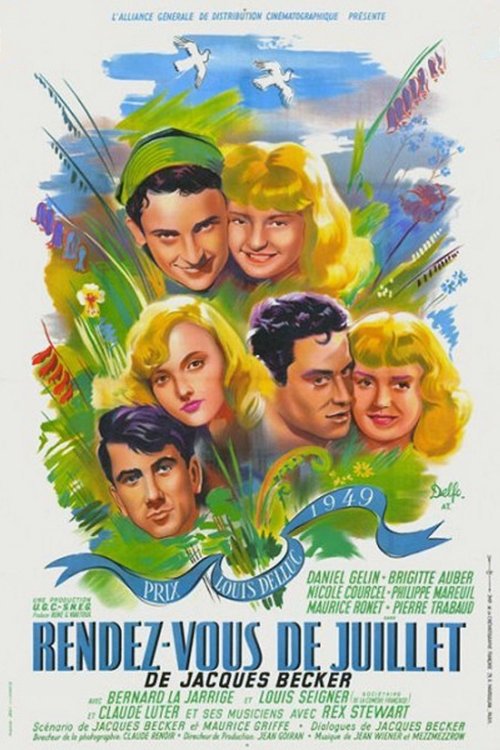
Rendezvous in July
1949
No user ratings available yet
Representation score: 3.5 out of 10

Representation Score
Excellent
1955
Director
Henry Cornelius
Runtime
98 minutes
Average Rating
No ratings yetNew Showbiz Analysis
I Am a Camera succeeds in challenging mid-century cinematic norms by centering on characters who reject traditional domesticity and moral rigidity. The film's strength lies in its portrayal of gender autonomy and the queer-coded atmosphere of the Weimar Republic's cabaret scene. However, the film is limited by the demographic constraints of its era. It lacks meaningful representation of non-white characters and provides almost no engagement with disability, focusing instead on European class and political shifts. Ultimately, the film functions as a study of a shifting social landscape, using secularism and moral relativism to challenge the traditionalist values of 1955.
Category Breakdown
The film explores the queer subcultures of the Weimar Republic through subtle symbolic references. The cabaret setting allows for the portrayal of sexual fluidity and non-traditional identities despite the era's censorship.
Sally Bowles acts as a disruptor of traditional gender roles. She is a sexually liberated, independent woman who rejects mid-century domesticity and maternal stability in favor of personal freedom and independence.
The film captures a cosmopolitan, multi-ethnic Berlin, moving beyond a purely Anglo-centric view. However, representation remains centered on European identities without significant engagement with non-white characters or diverse racial backgrounds.
The narrative deconstructs Western institutions by replacing bourgeois morality with secularism and hedonism. It frames the bohemian lifestyle as a complex response to a crumbling social order rather than a moral failing.
There is no significant focus on visible or invisible disabilities. Characters are defined by socioeconomic status, political affiliations, or sexual identities, leaving this category largely unaddressed.
Present on Screen
Limited or Absent
Official Synopsis
Just before the Nazis ascend to power in Berlin, Chris, an aspiring novelist from England, meets flamboyant cabaret entertainer Sally Bowles and an unusual friendship is born. As Sally feeds her extravagant tastes, Chris goes along for the ride, until their Jewish pal, Fritz, encounters trouble.
1949

1981

2011

1939

2009

2002
2003

1972
No reviews yet. Be the first to share your thoughts on this movie!
Use the rating form above to leave a star rating and optional review.